Dr Anil Grover
Back to school, NYE parties in Dubai: January sees surge in patients – Doctors explain why
Doctors link increase in cases to post-holiday socialising, travel
Last updated:
2 MIN READ
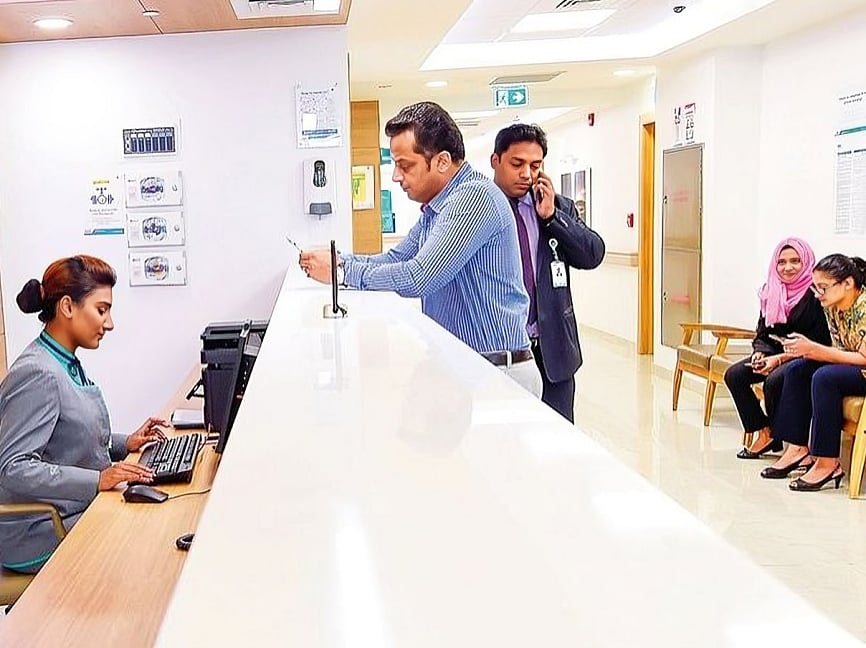
Staff busy during the rush hour at a hospital in Dubai. (Picture for illustrative purposes only)
Ahmed Ramzan/ Gulf News
Doctors across Dubai say January routinely brings a post-holiday surge in patient visits, as New Year gatherings, winter illnesses, travel and schools reopening combine to push infection rates higher than in December.
January trend
“January commonly shows an increase in patient visits compared to December, and this pattern is seen almost every year,” Dr Anil Grover, Specialist in Internal Medicine at Prime Hospital, Al Garhoud, said noting that while the post-holiday rise is noticeable, seasonal illness patterns – rather than a single trigger – largely explain the trend.
Common complaints
Seasonal respiratory illnesses dominate clinics during this period, according to Dr Joseph Youssef, Specialist in Internal Medicine at Medcare Royal Speciality Hospital, Al Qusais.
“Common concerns include colds, flu-like symptoms, sore throat, cough, nasal congestion, and general fatigue during this period as the weather changes into winter season. These conditions are typically observed during seasonal transitions, when temperature fluctuations and increased indoor activities can contribute to the spread of infections,” Dr Youssef said.
Dr Joseph Youssef
Dr Grover pointed out that seasonal allergies also tend to flare up due to weather changes, allergen exposure and reduced immunity following travel and festive routines.
Why January is busier
Passengers at Dubai International Airport. (Picture for illustrative purposes only)
Doctors link the January uptick to higher social interaction and travel during the festive period, which increases exposure to common infections.
“Apart from the social gatherings, the change in season is another factor too,” Dr Youssef said.
School reopenings further add to transmission, with infections spreading quickly among children and then within households.
In addition, postponed medical visits during the holiday period often led to more people seeking care once normal routines resume.
Most affected groups
Children and young adults are usually affected first due to school exposure, Dr Grover said, while elderly patients and those with chronic conditions may experience more prolonged or severe symptoms.
How families can reduce risk
Doctors advise families to take simple preventive steps as routines resume:
Maintain good hand hygiene and respiratory etiquette,
Avoid close contact with anyone who is unwell,
Ensure adequate rest, hydration and balanced nutrition,
Keep vaccinations, including flu shots, up to date,
Seek early medical advice if symptoms persist or worsen, particularly for children, elderly people and those with underlying conditions,
Seasonal spikes are expected, doctors said, but early awareness, preventive measures and timely medical care can help limit spread and reduce complications.
Sign up for the Daily Briefing
Get the latest news and updates straight to your inbox
Network Links
GN StoreAbout Gulf NewsTerms & ConditionsReach by GNSitemapContact usPrivacy PolicyGN FocusHave your sayWork with usAdvertise with usGulf News epaperPrinting Services
Download our app
© Al Nisr Publishing LLC 2026. All rights reserved.