UAE’s 2026 focus: Stronger families, stronger nation
A national drive to strengthen social values, women’s empowerment and family support
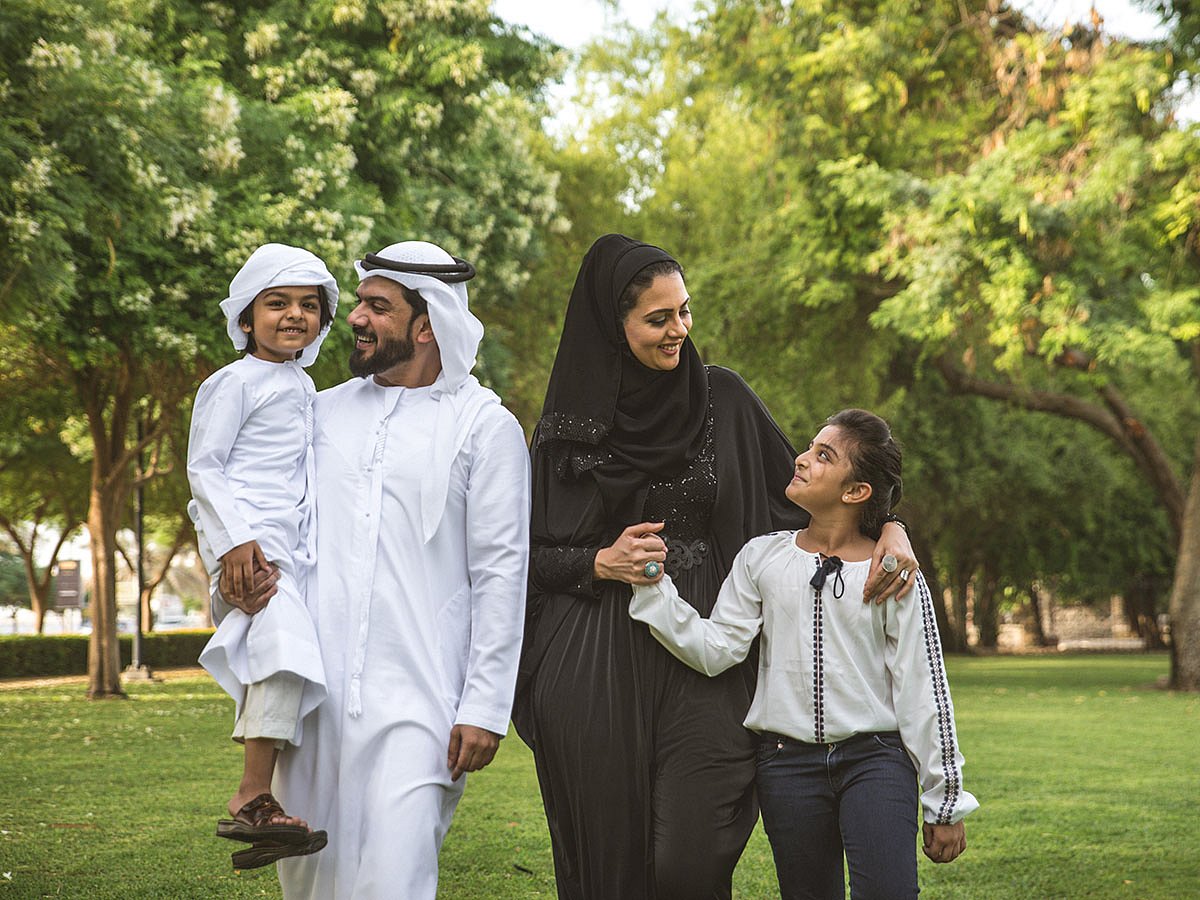
Abu Dhabi: Following the directives of His Highness Sheikh Mohamed bin Zayed Al Nahyan, President of the UAE, 2026 has been designated as the Year of the Family as part of the UAE Year of Initiative.
The Year of the Family will focus on celebrating the family as the foundation of a strong, united and compassionate society. It aims to highlight the importance of nurturing close family bonds — the roots from which resilient communities grow — and to reinforce the UAE’s core values of unity, care and cooperation, ensuring these values are passed on to future generations.
Since its founding, the UAE has placed the family at the heart of its national development efforts. The family has never been seen merely as a traditional social unit, but as the foundation from which values are passed down, social bonds are formed, and national identity and culture are preserved. This understanding is reflected in the state’s policies and strategic plans that put people first, social well-being at the centre, and family stability as a key pillar.
Over the years, this commitment has been translated into a clear vision through modern legislation, sustainable social policies, and initiatives that support all aspects of family life.
Under the directives of His Highness Sheikh Mohamed bin Zayed Al Nahyan, 2026 has been declared the “Year of the Family.” The designation highlights the family’s central role in national development and reinforces the belief that supporting families is an investment in the nation’s future.
Enhancing quality of life for Emirati families
For the UAE’s leadership, the family is the cornerstone of social stability and national cohesion. It is within the family that values are formed, identity is shaped, and children first feel a sense of belonging. The state has therefore focused on providing comprehensive support to protect families, preserve their unity, and improve their quality of life.
This approach is the result of decades of work. It includes family-related legislation, supportive social and economic policies, the empowerment of women as partners in family and community building, and the provision of integrated social, health and educational services. It has also strengthened family and housing stability and promoted work–life balance. As a result, family support has evolved from a cultural value into a full government framework based on data and measurable goals.
Family-supportive legislation
Over the past two decades, the UAE has updated its family laws to reflect social changes and international standards, while preserving its civilisational values. This includes reforms in personal status laws covering marriage, divorce, custody, alimony, guardianship and related matters.
New legal frameworks have been introduced to enhance family stability, regulate relationships fairly, and provide clear paths for dispute resolution. Family justice has also been strengthened through the establishment of family dispute resolution centres and streamlined procedures that prioritise the interests of children, women and the elderly.
Child protection remains a key focus of national legislation, notably through the “Wadeema Law,” which expanded the scope of protection and social care services for children. These measures ensure the best interests of the child, preserve family ties, and support children’s psychological and social stability.
Family and sustainable development
The UAE has adopted policies and strategies that directly support families, including the National Family Policy, which aims to empower Emirati families, strengthen their cohesion, and boost their role in sustainable development.
The Ministry of Family Strategy (2025–2027) is a key pillar of this approach. It focuses on family stability, quality of life, work–life balance, social and economic support, and the mental and physical well-being of family members.
The strategy aims to create an integrated support system involving government, the private sector and civil society, ensuring lasting impact and real improvements in family life. It seeks to strengthen family stability, raise well-being levels, and develop policies that respond to social and demographic changes, with clear measurable goals.
The national agenda for family growth
A major milestone was reached last November at the UAE Government Annual Meetings with the launch of the National Agenda for Family Growth 2031. The agenda prioritises family growth until the end of the decade.
It focuses on increasing birth and marriage rates, lowering the average age of marriage, and creating a supportive environment through integrated social, economic and health policies that promote family stability and encourage sustainable family choices.
Supporting working Emirati women
Family support in the UAE is closely linked to women’s empowerment — not only professionally, but also as a vital part of family building. Policies support women’s participation in the labour market while protecting maternity rights, including paid maternity leave, flexible working hours, breastfeeding breaks, workplace nurseries, and greater participation in decision-making roles.
This progress has been championed by Her Highness Sheikha Fatima bint Mubarak, “Mother of the Nation,” who has played a defining role in advancing social development through specialised initiatives and programmes.
Today, Emirati women are key partners in family, social and economic decision-making, as seen in education, employment, political representation and leadership roles.
Social and health services
The UAE places strong emphasis on high-quality services that support families throughout their life cycle, from family formation to education and ongoing care. These services include reproductive healthcare, prenatal care, safe childbirth, early screening for mothers and children, and integrated mental health support during and after pregnancy.
Mental health and family counselling services are included in healthcare and education systems to strengthen psychological stability for parents and children.
Early childhood development
Early childhood development is supported through specialised programmes overseen by local government bodies, such as the Abu Dhabi Early Childhood Authority. These programmes address children’s psychological, cognitive and physical development needs.
Comprehensive education, rehabilitation and social support systems are also provided for People of Determination, ensuring inclusion and promoting independence.
Housing
The UAE has developed an advanced housing system that meets the needs of Emirati families through thoughtful urban planning and public facilities. National housing programmes provide families with safe living environments, supported by parks, green spaces, walking and cycling tracks, and sports facilities.
Work–life balance
Recognising modern work demands, the UAE has adopted policies that support work–family balance, including enhanced maternity and paternity leave, flexible working hours, workplace nurseries, and incentives for family-friendly practices in the private sector.
These measures help parents balance family and work responsibilities, strengthening family stability and improving overall satisfaction.
The Year of the Family
Building on this long-standing commitment, the designation of 2026 as the Year of the Family marks a new phase for accelerating initiatives, policies and programmes that support families.
The year will focus on placing the family at the centre of development plans, encouraging community participation, and supporting mental and reproductive health. It will also launch nationwide initiatives, research projects and community programmes aimed at improving family life.
Strategic priorities for the year are built around three core pillars:
Roots: Encouraging daily actions that strengthen values and intergenerational bonds.
Connections: Promoting communication and closeness within families.
Growth: Providing practical tools to support family development and well-being.
Through these initiatives and real-life stories from Emirati families, the UAE continues to strengthen the family as a pillar of stability and development.
Civil society’s role
Family support in the UAE extends beyond government efforts to include civil society organisations, community institutions and specialised centres for family counselling, child protection and empowerment. Cultural and media institutions also play a vital role in raising awareness about family issues.
The family and national identity
The UAE views the family as the guardian of national identity and values. Within the family, children learn respect, belonging, generosity, diligence, tolerance and cooperation. The state supports educational programmes that reinforce these values within a national context.
National initiatives such as Emirati Children’s Day and Emirati Women’s Day further highlight the family’s role and strengthen its place in the UAE’s national identity.
Through this comprehensive approach, the UAE reaffirms that building a strong society begins with the family, and that investing in the family is an investment in the future of the nation.
Sign up for the Daily Briefing
Get the latest news and updates straight to your inbox
Network Links
GN StoreDownload our app
© Al Nisr Publishing LLC 2026. All rights reserved.