Dubai Police identifies 28 forces shaping the region’s future
Study explores emerging economic, technological, social and security risks
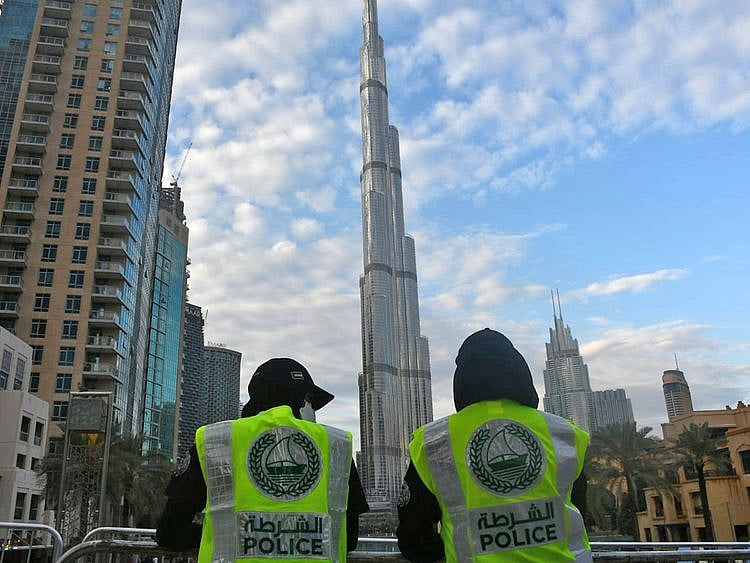
Dubai: Dubai Police has identified 28 major forces that could influence the region’s future, as part of a study aimed at helping institutions prepare for a rapidly changing world.
The study, developed by the Future Foresight Centre at Dubai Police with the help of experts and specialists, looks at how current developments — including geopolitical changes in the Middle East — could evolve and affect cities and institutions in the years ahead.
Get updated faster and for FREE: Download the Gulf News app now - simply click here.
Rather than attempting to predict exactly what will happen, the study examines several possible outcomes and the factors that could drive them. The aim is to give decision-makers a clearer understanding of different scenarios and help them prepare for potential risks and opportunities.
28 forces shaping what comes next
The study examines 28 future drivers alongside key trends that could influence the region’s economic, technological, social, environmental, political and security landscape.
It also looks at how these factors could interact with one another and create new challenges. This approach allows institutions to consider a wider range of possibilities instead of relying on a single forecast.
The scenarios cover developments that could have a direct impact on cities and communities, including emerging security risks and changes brought about by technology and geopolitical tensions.
Cyberattacks among emerging risks
Brigadier Dr Hamdan Ahmad Al Ghasiyah, director of the Future Foresight Centre, said the stability of major cities was becoming increasingly important as they play a central role in the global economy, trade and tourism.
He said assessing the resilience of global cities could no longer depend only on traditional measures, as social, cultural, technological, political and environmental factors were closely connected.
Regional tensions and geopolitical developments have also created new risks, particularly cyberattacks and attempts to disrupt critical infrastructure, he said.
Preparing for different futures
Al Ghasiyah said rapid political changes and economic uncertainty had made it increasingly important for institutions to examine what could lie ahead.
Scenario planning enables organisations to study areas of uncertainty and consider different ways events could unfold. By examining the possible consequences of each scenario, institutions can put measures in place before risks become more serious.
Colonel Omar Khalifa Balobaida Al Suwaidi, deputy director of the Future Foresight Centre, said scenario building was not about predicting one particular future.
Instead, it helps organisations think beyond the most obvious outcome, prepare for different possibilities and make decisions that can adapt as circumstances change.
The study is part of Dubai Police’s wider efforts to examine developments over the short, medium and long term. It uses future-focused research, analysis and scenario planning to strengthen preparedness and support proactive decision-making in an increasingly uncertain regional and global environment.
Sign up for the Daily Briefing
Get the latest news and updates straight to your inbox
Network Links
GN StoreDownload our app
© Al Nisr Publishing LLC 2026. All rights reserved.