Abu Dhabi camel grazing ban to remain in force until May 2027
The ban protects native vegetation and natural grazing lands until May 14, 2027
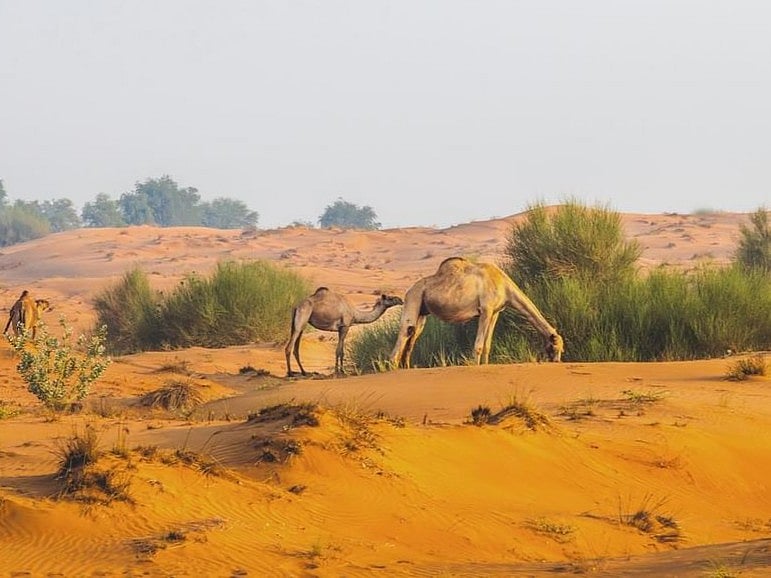
Abu Dhabi's annual camel grazing ban takes effect on October 16 and will remain in force until May 14, 2027, as authorities seek to protect the emirate's natural vegetation and desert ecosystems.
The Environment Agency – Abu Dhabi (EAD) announced the end of the 2026 camel grazing season, urging camel owners and livestock keepers to comply with the seasonal restrictions.
This year's grazing season began earlier than usual on April 22, following an assessment by EAD and relevant authorities. The customary start date is May 15.
The revised schedule was introduced under the directives of Sheikh Hamdan bin Zayed Al Nahyan, Ruler's Representative in Al Dhafra Region and Chairman of EAD's Board of Directors.
The decision followed substantial rainfall across Abu Dhabi in the preceding months, which encouraged vegetation growth and created more favourable conditions for camel grazing.
Why Abu Dhabi restricts camel grazing
The annual closure gives natural rangelands time to recover and allows native plants to regenerate without disturbance from grazing.
The measure also aims to safeguard biodiversity, maintain ecological balance and protect the emirate's fragile desert habitats.
EAD thanked camel owners and breeders for their cooperation during the grazing season, stressing that responsible grazing practices and compliance with environmental regulations are essential to preserving natural pastures for future generations.
Abu Dhabi camel grazing rules and permits
Camel grazing in Abu Dhabi is regulated under Law No. 11 of 2020, which establishes the legal framework for managing grazing activities across the emirate.
Under the law's executive regulations, grazing licences are available to UAE nationals aged 21 and above, provided they employ a ranger who is at least 18 years old.
Licence holders must ensure their camels remain under the supervision of a designated ranger at all times. Grazing is permitted only during the period authorised by the licence, and permits cannot be transferred to another person.
Eligible camel owners can apply for a new grazing licence or renew an existing one through the TAMM government services platform.
A new grazing licence costs Dh250, while renewal costs Dh150.
Owners should ensure their permits are valid and that grazing occurs within the authorised dates before the next season begins.
Network Links
GN StoreDownload our app
© Al Nisr Publishing LLC 2026. All rights reserved.