UAE authorities warn against fake holiday tickets and event scams this Christmas and New Year
They explained that fraudsters are now using advanced AI tools to create realistic ads
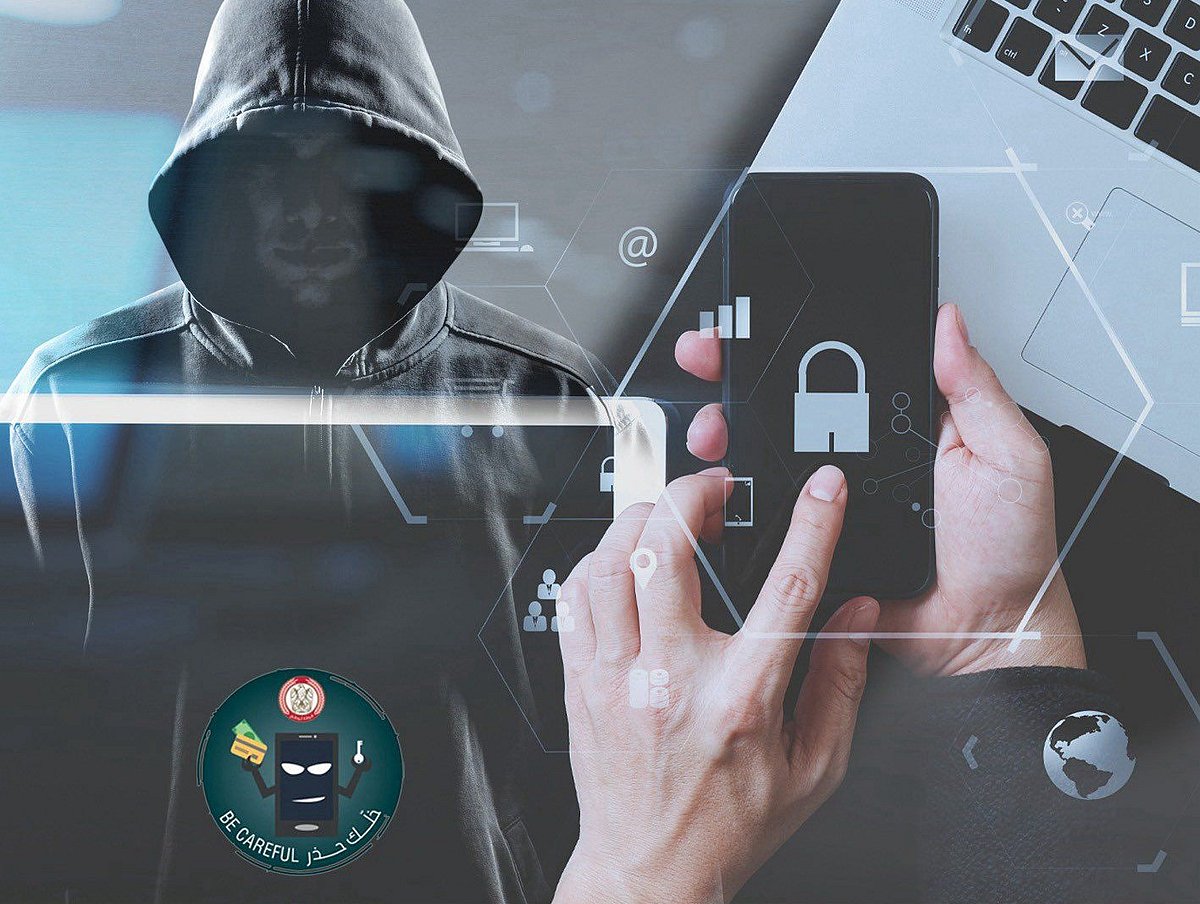
As the holiday season approaches, Abu Dhabi Police, the UAE Cybersecurity Council, and experts in artificial intelligence and digital technologies have warned the public against falling victim to scammers and cybercriminals who attempt to lure victims into purchasing fake tickets and entry passes for events accompanying Christmas and New Year celebrations.
Abu Dhabi Police and the UAE Cybersecurity Council cautioned against fraud, identity theft, and the harvesting of personal data through suspicious links and fake advertisements appearing on search engines. These ads promote the sale of ticket packages, tables and seats at popular cafés and restaurants, tourist attractions in the UAE, or false advertisements for temporary or seasonal jobs during holidays and festive periods. The authorities stressed the importance of using only approved applications when making purchases or requesting services.
Abu Dhabi Police explained that some fraudsters exploit low-price advertisements on search engines to deceive victims and steal their personal or financial information through fake websites designed to appear as if they belong to official entities or well-known companies.
The public was urged to verify the authenticity of electronic links, refrain from sharing banking or personal information with untrusted parties, and rely solely on official applications approved by government entities or available through recognized app stores (App Store and Google Play).
Abu Dhabi Police also called on the public not to share confidential information with anyone, including account or card details, online banking passwords, ATM PINs, CVV security codes, or any other sensitive credentials.
Members of the community were encouraged to immediately report any suspected fraud through the Aman service via the call center on 8002626, by SMS to 2828, through the Abu Dhabi Police smart application, by email at aman@adpolice.gov.ae, or via the police station service on their mobile phones. These efforts are part of Abu Dhabi Police’s strategic priority to enhance security and safety and to prevent crime.
“Stay Alert” campaign
These warnings were issued as part of the “Stay Alert” awareness campaign launched by Abu Dhabi Police to remind the public of the dangers of cybercrime, particularly the sale of fake travel tickets and restaurant or café packages for Christmas and New Year events, as well as financial and online extortion, phone fraud, and fraudulent websites designed to resemble official platforms.
Abu Dhabi Police urged individuals not to share personal or banking data and to report any fraud attempts immediately via the dedicated numbers, including 8004888 for online extortion, in order to strengthen digital awareness and protect individuals.
Campaign objectives:
Raise public awareness of modern cyber-fraud techniques.
Protect individuals, especially youth and children, from becoming victims of online extortion.
Emphasize the importance of vigilance and avoiding the disclosure of sensitive information (personal or banking data) online or by phone.
Reporting Channels:
8004888 – Online extortion hotline
065943228 – Direct number for cybercrime
00971508566657 – WhatsApp cybercrime reporting
4444 – SMS reporting
Key message:
“Stay Alert” is a continuous call for digital vigilance and for seeking police assistance whenever facing any cyber threat.
Artificial intelligence enters the world of online fraud
Experts in the travel, entertainment, and event-hosting sectors, along with AI specialists, revealed a new wave of digital fraud targeting travelers and those seeking bookings at popular restaurants, cafés, and event venues during the New Year season.
They explained that fraudsters are now using advanced AI tools to create highly realistic advertisements and professional-looking websites selling fake travel tickets and entry passes for concerts, restaurants, and major tourist attractions. Criminals exploit the holiday season by promoting fictitious travel and hotel offers.
According to the experts, scammers generate fake images and videos of supposed staff members promoting fraudulent offers and program intelligent chatbots that impersonate customer-service agents.
Buying tickets for non-existent events
Experts warned that victims may suffer multiple risks, including purchasing counterfeit tickets, booking non-existent tables or hotel suites, financial losses, and potential data breaches. They advised enabling two-factor authentication and avoiding the storage of payment details in browsers, noting that consumer trust in booking platforms—even well-known ones—has become increasingly vulnerable.
Several travelers who fell victim to scams described tactics such as advertisements claiming prize draws for free tickets or offers priced far below market rates that redirect users to malicious links. Major airlines have also warned customers about fake ads that imitate official branding to trick users into purchasing counterfeit tickets or stealing personal data.
The Abu Dhabi Judicial Department previously advised consumers not to be misled by fraudulent advertisements, while Dubai Police’s Fraud Prevention Centre recently warned of cybercrimes carried out under the guise of “discounts” across various sectors, including bookings.
Cybersecurity council warns against fake ticket packages
The UAE Cybersecurity Council warned against purchasing ticket packages, travel tickets, or hotel bookings through social media platforms or suspicious websites offering entertainment tickets and restaurant reservations. The Abu Dhabi Judicial Department also cautioned against fraudulent investment groups that become particularly active during holiday and New Year seasons on social media and fake websites.
Legal authorities in Abu Dhabi outlined key online financial fraud techniques via their official social media accounts, stressing that such scams intensify during Christmas and New Year celebrations, and provided guidance on prevention to enhance community awareness.
They highlighted common fraud patterns, including the creation of fake social media groups for real-estate trading, rentals, ticket packages, and travel bookings, promoted via emails and social media with highly tempting discounted prices. Fraudsters often reinforce victims’ trust by advertising these groups through social media influencers.
Five ways to protect yourself from fraud
The Cybersecurity Council outlined five preventive measures:
Rely only on booking confirmations issued directly by airlines or official websites.
Thoroughly verify website URLs.
Be cautious of offers that appear too good to be true.
Avoid purchasing tickets from unknown sources or through social media.
Do not pay via instant transfers or untrusted payment methods.
The Council also warned, through its digital awareness campaigns on the platform “X”, against suspicious links that may compromise personal and banking information, urging the public to verify the sender’s identity and never click on links requesting financial or personal data.

Sign up for the Daily Briefing
Get the latest news and updates straight to your inbox
Network Links
GN StoreDownload our app
© Al Nisr Publishing LLC 2026. All rights reserved.