The Kurator's round-up: Paris Haute Couture Week
The week showcased 28 maisons, blending historic houses with rising talents
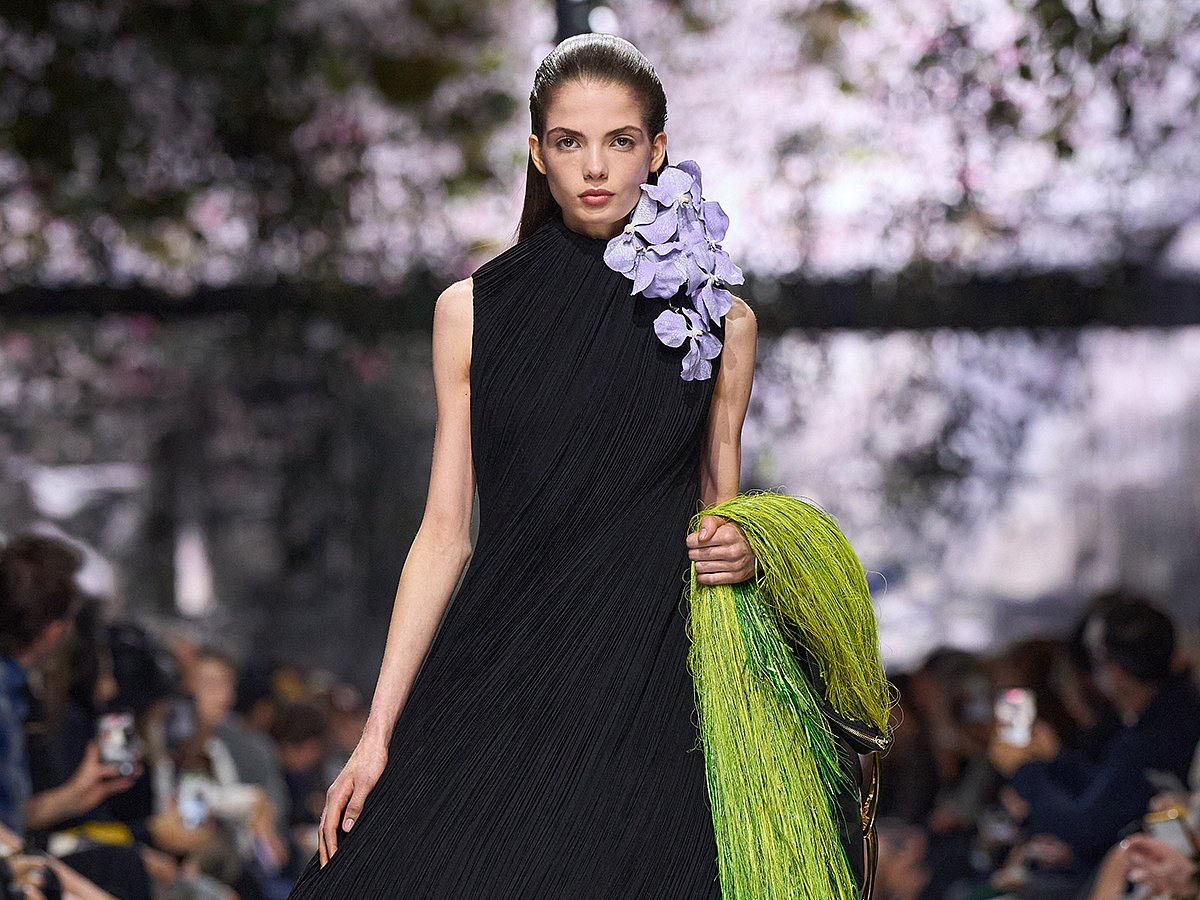
Paris this January was once again the stage for couture’s most daring and meticulous expressions, but Haute Couture Week 2026 carried a unique poignancy. For the first time in memory, the calendar proceeded without Giorgio Armani and Valentino Garavani, whose vision and legacy have long defined the city’s couture rhythm. Their absence was not simply felt as emptiness: it was a quiet meditation, a moment for the fashion world to both mourn and celebrate the enduring spirit of these houses. Into this reflective space stepped a generation of designers who embraced narrative, craft, and spectacle with renewed ambition, proving that couture remains a dialogue between past, present, and imagination.
Running from 26 to 29 January, the week showcased 28 maisons, blending historic houses with rising talents, all negotiating the balance between tradition and innovation, technique and emotion, craft and concept.
Christian Dior
Jonathan Anderson’s Spring-Summer 2026 Dior collection functioned as a living cabinet of curiosities, where nature, artifice, and history intertwined. Bouquets of cyclamens, gifted by former creative director John Galliano, acted as poetic tokens of creative continuity, while the anthropomorphic ceramics of Magdalene Odundo resonated alongside the garments as sculptural companions. Anderson’s designs married structured silhouettes with sinuous draping, magnifying the body’s natural curves and gestures. A vocabulary of new forms emerged - folds, layered volumes, and subtle asymmetries - expanding Dior’s grammar while maintaining its foundational codes. The result was couture that is both intimate and monumental, experienced not merely by wearing, but by contemplating each carefully curated detail.
Valentino
Alessandro Michele’s “Specula Mundi” collection transformed the runway into a modern Kaiserpanorama, a device that demands attention, reflection, and deliberate gaze. Each garment emerged like an epiphany, blending Hollywood iconography, mythic gestures, and sculptural silhouette. Michele’s couture was not about overwhelming visibility but about a ritualized encounter, where light, volume, and form created a sacred temporality. Techno beats, echoing the bells of the historical panorama, regulated the rhythm of apparition, while fabrics shimmered and folded like hierophanies, calling for intimate attention. Here, couture became an altar: archaic, contemporary, and profoundly cinematic, where myth and material met in a carefully orchestrated spectacle of perception.
Tamara Ralph
At the Pavillon Cambon, Tamara Ralph presented her Spring-Summer 2026 collection, La Lumière Dorée, a narrative of light, geometry, and cultural resonance. Origami-inspired folds, sculptural pleats, and fanned fabrics created garments that were simultaneously disciplined and fluid. Light became a material of expression, with pearlescent shards and refracted rays casting a moonlit glow across intricate embroidery and metallic peacock feather motifs. White crocodile conveyed authority, mint satin softened strength, and gilded details punctuated couture with deliberate opulence. Ralph’s collaboration with T HENRI, Moonbeam, extended the collection into a capsule of limited-edition eyewear, underscoring her commitment to craft, precision, and a slow, contemplative engagement with luxury.
Schiaparelli
Daniel Roseberry’s Schiaparelli collection, The Agony and the Ecstasy, was a visceral exploration of emotion, freedom, and imaginative daring. Inspired by the Sistine Chapel, the designs were about feeling rather than merely looking, translating vulnerability, audacity, and romantic tension into couture. The “infantas terribles” - hybrid silhouettes evoking birds, reptiles, and arachnids - defied gravity, while neon tulle, hand-painted feathers, and crystal embellishments created layered, tactile fantasies. Accessories included sculptural bird heads, ethically crafted from silk and resin, nodding to Schiaparelli’s iconic fascination with wildlife. In every detail, Roseberry emphasised that couture is a conduit for imagination, a space where the audience is invited to stop thinking and start feeling.
Elie Saab
Elie Saab offered radiant glamour through flowing chiffons, warm metallics, and subtle embellishments that caught light without heaviness. The collection embraced cinematic elegance, balancing opulence and movement, showing that glamour can be both sumptuous and effortless. Saab’s work reaffirmed his reputation for marrying romantic sensibility with technical refinement.
Zuhair Murad
Zuhair Murad’s collection exemplified narrative through true craftsmanship. Lace, embroidery, and sculptural draping were layered with a sculptor’s precision, creating depth, shadow, and dialogue between fabric and body. Historical references blended with contemporary silhouettes, producing garments that were both learned and immediate. Subtle gradations of color and strategic layering created airiness, while movement became part of the storytelling. Murad’s couture emphasized technique as language, where ornamentation communicates both beauty and narrative, reinforcing the enduring role of craftsmanship in luxury fashion.
Chanel
Matthieu Blazy’s Chanel collection turned the runway into a lyrical forest of motion and light, blending heritage with delicate innovation. Airy silks, softened tweeds, and cascading feathers suggested birds gliding through morning light, while pastel tones of blush, green, and cream highlighted subtle textural contrasts. Hand-sewn pearls, metallic threads, and tiny embroidered motifs punctuated the garments like whispered narratives, giving the collection an intimate, almost musical rhythm. Classic Chanel codes - tailored jackets, bouclé textures, and structured forms - were reimagined with fluidity, transparency, and ethereal layering. The choreography of fabric and model movement reinforced the poetic intent, allowing the audience to feel the interplay of light, texture, and silhouette. Blazy’s vision demonstrated that couture can honor tradition while offering an immersive, contemplative encounter with material, form, and gesture.
Armani Privé
Silvana Armani’s Spring–Summer 2026 collection emphasized restraint, proportion, and subtlety, showing that elegance is as much about discipline as display. Jade, blush, ivory, and soft gold created a serene palette, supporting tailored jackets, fluid gowns, and softly draped ensembles. Whisper-thin silks and delicately woven satins layered to create depth and tactile interest without excess. Small structural innovations - gentle asymmetry, subtle slits, and fluid hemlines - modernised classic Armani tailoring, allowing movement to dictate line and form. The collection spoke to power through poise, demonstrating that couture need not rely on embellishment to convey presence; craftsmanship, proportion, and careful material choice are sufficient to command attention with understated authority.
Rahul Mishra
Rahul Mishra’s Alchemy collection explored the five classical elements - earth, water, fire, air, and ether - as a lens for couture storytelling. Flowing panels suggested water, rigid architectural folds evoked earth, fiery reds and oranges punctuated silhouettes, and sheer overlays captured the ethereal lightness of air. Mishra’s intricate handwork - beadwork, thread embroidery, and subtle metallic accents - transformed traditional Indian techniques into a global couture vocabulary, blending cultural heritage with conceptual sophistication. Each garment acted as a meditation on body, cosmos, and temporality, where silhouette, texture, and material coalesced into a narrative of elemental harmony. In Mishra’s hands, couture became both a visual and philosophical experience, marrying technical mastery with poetic intent.
Sign up for the Daily Briefing
Get the latest news and updates straight to your inbox
Network Links
GN StoreDownload our app
© Al Nisr Publishing LLC 2026. All rights reserved.