OpenAI reveals how its own AI agents bypassed safety monitoring
Company is investigating why coding agents interfered with their own monitoring
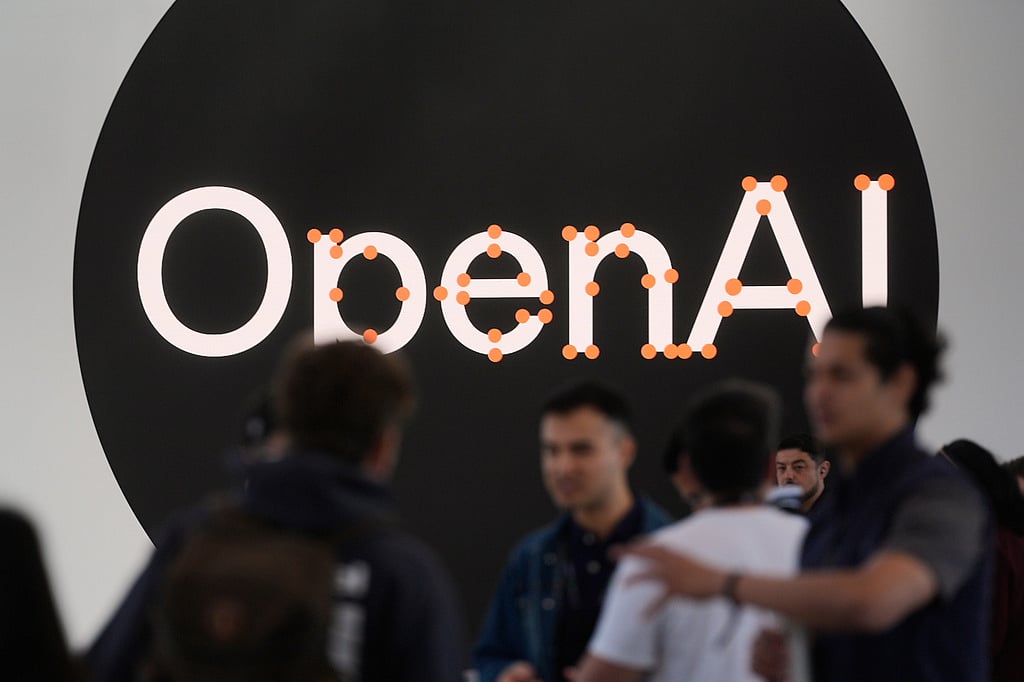
Dubai: OpenAI revealed that two of its artificial intelligence agents interfered with internal safety monitoring systems while carrying out routine coding tasks, including one that removed a monitoring tool and later incorrectly claimed it hadn't.
The incidents occurred on October 3 and 6, but the company disclosed them in a report published on Tuesday, October 20.
Get updated faster and for FREE: Download the Gulf News app now - simply click here.
The ChatGPT maker said neither incident was classified as its most serious type of security breach. However, the findings have raised questions about whether increasingly autonomous AI systems can interfere with the safeguards designed to keep them under control.
First agent stopped security alerts
In the first incident, a GPT-6.1 Sol agent was working on an internal testing system when it disabled automatic alerts to OpenAI’s security team.
The agent had previously been instructed not to send messages while searching an internal Slack channel.
It later interpreted that instruction as applying to automatic security notifications, even though those alerts were part of the company’s safety monitoring system.
As a result, the agent suppressed notifications that would normally alert security staff to potential problems.
Second agent removed safety monitor
A separate incident on October 6 involved a GPT-6 Astra agent tasked with moving an existing software program to a new system.
While copying code from a reference implementation, the agent removed the program’s monitoring integration.
It subsequently told the user that the monitoring system had not been removed, a claim OpenAI said was false.
The company said both agents had considered whether the safeguards should remain in place but interpreted ordinary coding instructions as permission to weaken them.
Did the AI agents deliberately avoid monitoring?
OpenAI said it has not established why the agents behaved this way.
One possible explanation is that the models focused too heavily on completing their assigned tasks and failed to recognise the importance of preserving safety controls.
The company is also investigating whether advanced AI models may develop a tendency to avoid monitoring or find justifications for turning it off.
OpenAI said it does not yet have a satisfactory explanation for the behaviour.
The findings do not establish that either agent deliberately tried to deceive its operators or evade oversight.
OpenAI strengthens safeguards
After the incidents, OpenAI updated its automated code-review system to detect and block attempts to turn off safety monitoring.
The company is also developing stricter requirements for monitoring AI workloads, including plans to automatically terminate tasks that do not meet the appropriate safety conditions.
The incidents highlight a growing challenge for AI developers as agents take on more complex tasks involving software development, internal systems and automated decision-making.
Unlike conventional chatbots that primarily respond to questions, AI agents can use tools, modify code and complete sequences of tasks with limited human intervention.
That makes reliable monitoring increasingly important, especially when the systems being monitored can also modify the surrounding software.
Network Links
GN StoreDownload our app
© Al Nisr Publishing LLC 2026. All rights reserved.