Eddie Howe is under pressure for the first time as head coach with the owners of the club potentially having a big decision on their hands regarding his future
How Premier League rules are frustrating Newcastle United’s Saudi owners
Saudi PIF haven’t made the impact they perhaps expected since buying the club in 2021
Last updated:
4 MIN READ
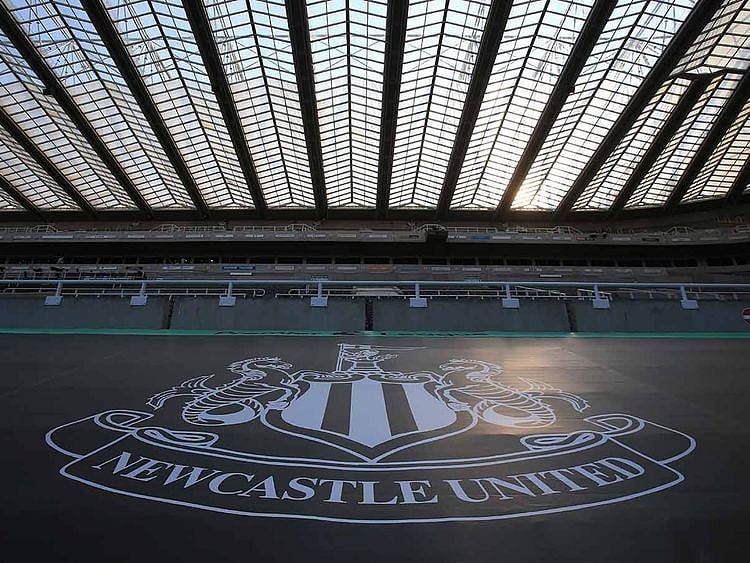
Newcastle United’s Saudi owners are five years into their tenure at the club
AP
When news broke that the Saudi Public Investment Fund (SPIF) had bought Newcastle United in 2021, fans flooded the streets to celebrate, anticipating the club’s new financial backing would propel them into the ranks of football’s elite.
Valued at around $620 billion, SPIF became the Premier League’s wealthiest owners and by quite some margin. Seeing the heights Manchester City have reached since their Middle Eastern takeover in 2008, Newcastle fans had every reason to be excited.
Five years have passed since the takeover, and while the Magpies have enjoyed success, which includes winning their first trophy in over 50 years with their 2025 EFL Cup triumph, Newcastle still appear far from reaching the ranks of football’s elite by 2030, as chief executive David Hopkinson predicted.
After Sunday’s 2-1 home defeat to Sunderland, Newcastle aren’t even the top team in the North East according to the current Premier League table.
Manager Eddie Howe, under pressure for the first time in his four-and-a-half-year spell at St James’ Park, was asked whether the (SPIF) project is starting to lose momentum.
Howe explained: "The club desperately want to be ambitious, but there's a limit to what we can spend.
"I think the rules have made it very difficult, I don't know where we can beat that system."
How SPR is holding Newcastle back
Premier League's Profit and Sustainability Rules (PSR) were introduced in 2013 to act as the league’s version of financial fair play, ensuring clubs spend within their means and maintain financial health.
The rules aim to prevent overspending that could threaten long-term stability, meaning clubs should not spend far beyond what they earn in pursuit of success.
Under these regulations, clubs are allowed to report a pre-tax loss, but only up to a set limit, recently around £105m over three seasons. Owner injections to cover losses are capped, and clubs must submit audited financial accounts to demonstrate they are not spending recklessly.
The club were forced to sell Elliot Anderson due to PSR rules, the midfielder has gone on to become a key figure in England's senior squad
Whilst the likes of Manchester City had the freedom to invest without limits to grow their club, the emergence of PSR has meant Newcastle’s Saudi owners haven’t been able to profit within the current climate of the Premier League.
PSR has forced the Geordie club to balance ambition with financial compliance, limiting massive short-term investment in transfers and wages.
This has slowed the pace at which Newcastle can compete with the very top clubs in Europe, keeping long-term growth dependent on smart recruitment and sustainable spending rather than just financial firepower.
A clear example of how PSR has hampered the club is the sale of academy graduate Elliot Anderson, who has since established himself as an England regular.
After spending £404.7m in the first three years but bringing in only £50.4m from sales SPIF were faced with the stark reality of PSR and were forced into selling Anderson to Nottingham Forest to prevent a points penalty.
What’s the solution?
The new Squad Cost Ratio (SCR) rule which replaces PSR comes into place on July 1 and will be sure to help Newcastle and their Saudi owners.
While PSR focuses on limiting losses, SCR is about income. In short, the more you generate the more you can spend. This should benefit Newcastle because it gives the club more flexibility to invest in the squad relative to their revenue, rather than being restricted by the old multi-year loss limits under PSR.
SCR will create some more scope for SPIF to invest, but not enough to be transformational, especially when their rivals have greater spending power due to their greater commercial and matchday income.
The club should look to invest in their stadium if they want to reach the heights of the current Premier league giants
One obvious way for SPIF to boost spending power is to grow matchday revenue by investing in the stadium, since such costs aren’t included in the SCR calculations.
Newcastle's matchday revenue was £50m in 2023-24, compared with £102m for Liverpool and £137m for Manchester United.
The 52,000-capacity St James' Park must be revamped or the club should look to use their owner’s money to build a new stadium if they have any hope of catching the so called ‘big six’ in the Premier League.

Rob is an experienced sports reporter with a focus on digital publishing. He holds both an undergraduate and master’s degree in sports journalism and has hands-on experience in presenting and commentary. Rob has previously worked in the communications teams at Premier League clubs Everton and Brentford FC. While football is his main passion, he enjoys all sports and loves sharing his enthusiasm with anyone he meets.
Sign up for the Daily Briefing
Get the latest news and updates straight to your inbox
Network Links
GN StoreAbout Gulf NewsTerms & ConditionsReach by GNSitemapContact usPrivacy PolicyGN FocusHave your sayWork with usAdvertise with usGulf News epaperPrinting Services
Download our app
© Al Nisr Publishing LLC 2026. All rights reserved.