Why the Philippines’ growing support for seniors is a smart bet on the nation’s future
Caring for today’s lolo and lola is not just a moral duty, but a strategic investment
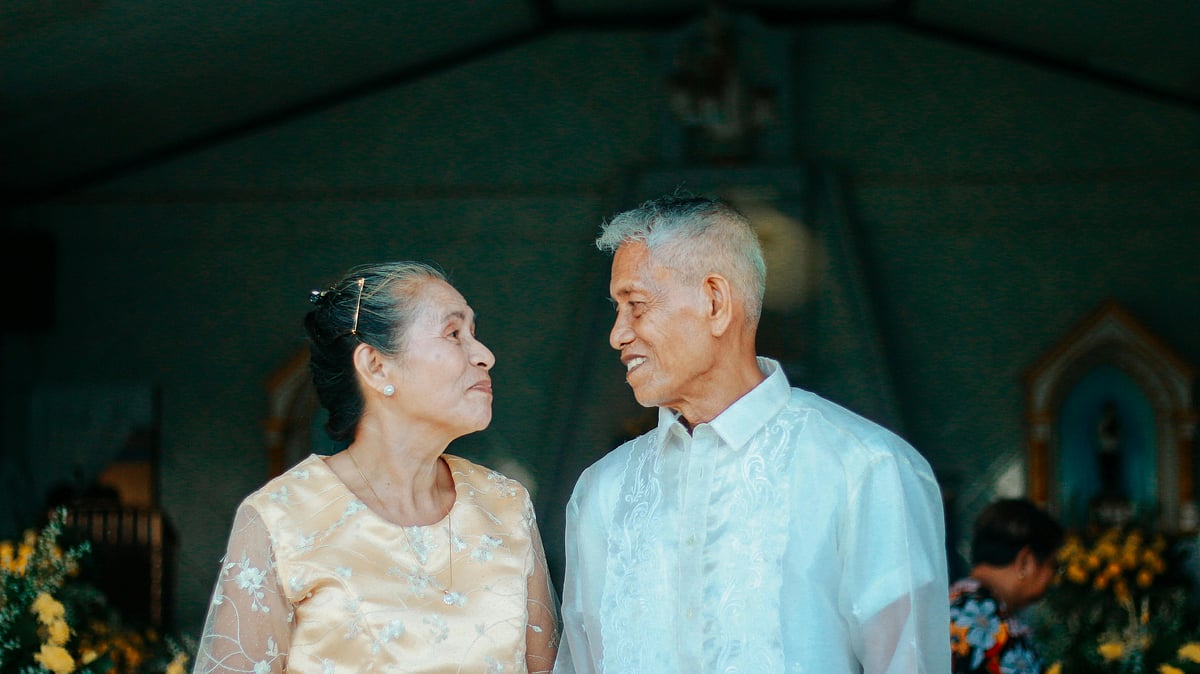
The Philippines is quietly making a consequential bet: that taking better care of its senior citizens is not charity.
Rather, it's a sound social and economic policy.
Over the past two years, the government has steadily expanded financial support for older Filipinos, affectionately called lolos and lolas, through higher social pensions, reforms to contributory systems, and new legislative proposals.
The most immediate impact comes from the Social Pension for Indigent Senior Citizens (SocPen), which now provides ₱1,000 ($18) a month to more than 4 million of the poorest seniors.
For critics, ₱1,000 — less than the cost of a few groceries — may seem modest. But for a frail, sickly senior with no pension, no savings, and no family support, it can mean food on the table, medicine paid for, or a small measure of dignity preserved.
Difficulties of old age
This matters because aging is expensive, even in a lower-income country. Healthcare costs rise, mobility declines, and opportunities to earn disappear.
Without public support, seniors often become invisible dependents, relying on overstretched families or slipping into extreme poverty.
By doubling the social pension from ₱500 and expanding coverage, the state is acknowledging that old age is a shared responsibility, not a private failure.
More broadly, caring for seniors is an investment in social stability.
Strategic move
When older citizens are protected, families are less burdened, working-age adults are freer to participate in the labour force, and intergenerational resentment is reduced.
Pension reforms in the Social Security System — delivering multi-year increases without raising contributions — reinforce this logic.
They reward lifetime contributors, strengthen trust in institutions, and send a signal to younger workers that participation in formal systems will eventually pay off.
This is especially important in a country as young as the Philippines.
The median age is still in the mid-20s, and the workforce is dominated by millennials and Gen Z.
Demographically, the country is far from becoming a “gray society” like Japan or South Korea.
But that youthfulness can breed complacency.
The window to build sustainable aging systems is now, before the population structure shifts and the fiscal costs explode.
Supporting today’s seniors is also about preparing tomorrow’s.
There is also a moral argument that cannot be ignored.
Today’s lolo and lola lived through martial law, economic crises, natural disasters, and decades of underinvestment in public services.
Many worked in informal jobs that offered no pensions or protections.
To leave them behind now would be to benefit from their sacrifices while denying them basic security in old age.
Universal social pension
Proposals such as a universal social pension — still under debate — push this idea further, reframing old-age support as a right of citizenship rather than a narrow poverty programme.
While funding and implementation challenges remain, the direction of policy matters.
It reflects a growing recognition that dignity in old age should not depend solely on luck, family wealth, or geography.
The Philippines’ population may be young, but its values are being tested by how it treats its elders.
Expanding senior support is not just about welfare — it is about fairness, foresight, and the kind of society a young nation wants to grow into.
Sign up for the Daily Briefing
Get the latest news and updates straight to your inbox
Network Links
GN StoreDownload our app
© Al Nisr Publishing LLC 2026. All rights reserved.