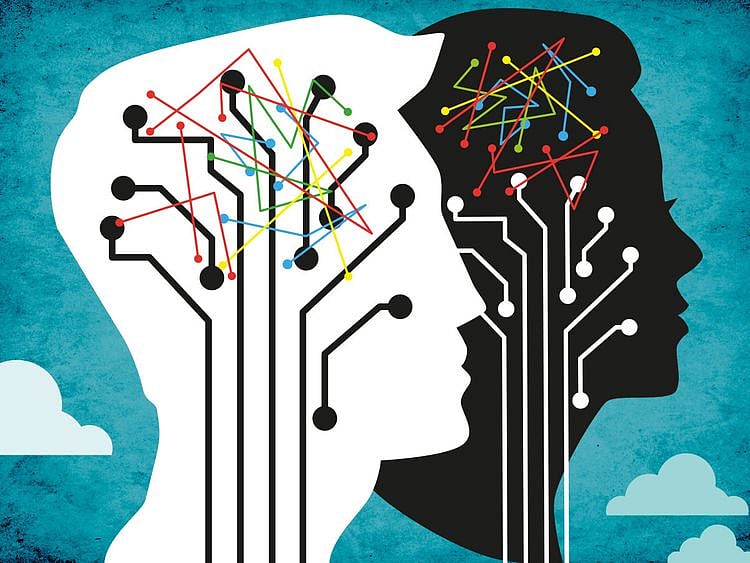
Artificial intelligence is becoming part of classrooms faster than many people realise. From tools that recommend learning resources to systems that flag student performance, AI is increasingly used to support teaching and learning. When used well, it can save time, personalise learning, and help educators focus on what matters most. But as AI takes on a larger role in education, one question deserves attention: who is still making the final decisions?
AI in education is often seen as objective and efficient. After all, it works with data rather than emotions. Yet education is not just about numbers or patterns. It is deeply human. Students come from different backgrounds, different cultures, learn at different paces, and face different challenges; many of which never appear in data.
In the UAE, where education is rapidly embracing digital transformation and innovation, AI-powered tools are becoming increasingly visible in classrooms and learning platforms. As institutions invest in advanced technologies to enhance learning outcomes, the responsibility to ensure that these tools are used fairly, transparently, and with human judgment becomes even more important.
Existing information
Like all AI systems, educational AI learns from existing information. That includes past student records, assessment results, and learning behaviors. If this data reflects gaps, biases, or unequal opportunities, the system may quietly reinforce them. For example, if certain students have historically struggled due to external factors, an AI system might repeatedly lower expectations for them rather than recognise their potential. The system is not being unfair on purpose, it is simply learning from what it sees.
Fairness in education is delicate. Treating every student exactly the same does not always lead to fair outcomes. Some students need more time, different explanations, or additional support. An AI system that applies uniform rules without context may overlook these realities. Education requires flexibility, empathy, and understanding, qualities that no algorithm truly possesses. Another growing concern is over-reliance on automated tools. When a system suggests that a student is “at risk” or recommends a particular learning path, it can be tempting to accept the output without question. Over time, educators may begin to trust the system more than their own professional judgment. The danger is not that AI makes errors, but that humans stop asking whether those recommendations truly reflect the student in front of them.
Human oversight matters
This is why human oversight matters. AI should assist teachers, not replace their role as decision-makers. A teacher knows when a student is struggling due to personal circumstances, motivation, or confidence, factors that data alone cannot capture. Every AI-driven insight should be treated as a starting point for conversation, not a final verdict.
Responsible use of AI in education is not about rejecting or fearing technology. It is about using it wisely. Transparency in how tools work, regular review of their impact, and clear accountability are essential. Most importantly, educators must remain empowered to question, adapt, and override automated suggestions when needed. For educators, this requires deliberate reflection on how AI tools are integrated into teaching practice, assessment decisions, and student support, while preserving professional judgment and pedagogical responsibility.
Education is not a process to be optimised alone; it is a relationship built on trust, guidance, and understanding. AI can support that mission, but it cannot replace the human judgment at its core. As classrooms continue to evolve, keeping humans firmly in the loop is not optional, it is essential.
Nishara Nizamuddin is an educator and researcher at Zayed University, UAE
Sign up for the Daily Briefing
Get the latest news and updates straight to your inbox
Network Links
GN StoreDownload our app
© Al Nisr Publishing LLC 2026. All rights reserved.