Trilateral summit: Three powers, one table, an uncertain future
US, China and Russia face the challenge of keeping dialogue alive despite rival interests
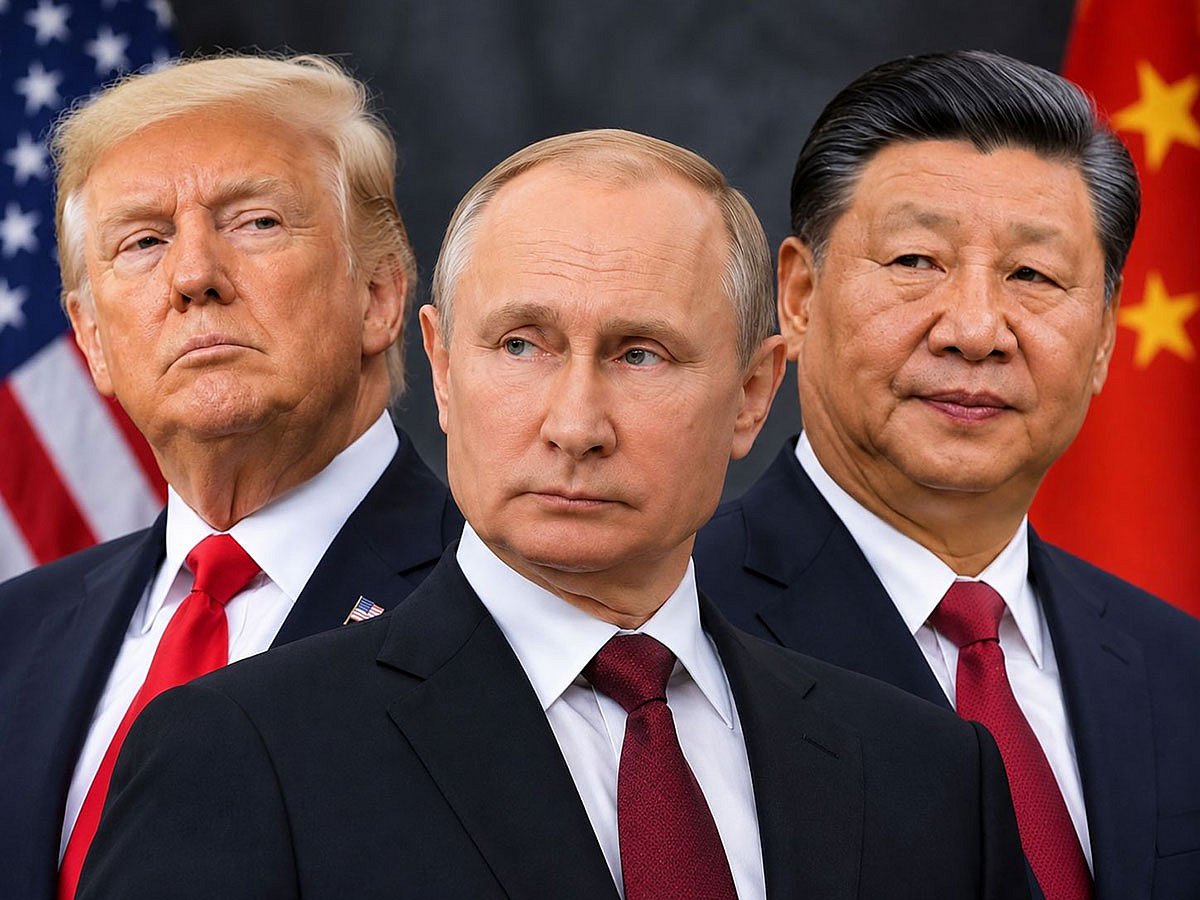
As part of preparations for the upcoming summit between US President Donald Trump and his Chinese and Russian counterparts, Xi Jinping and Vladimir Putin, on November 19, 2026, it is worth noting that the disagreement among the three parties is not limited to the issues the three nations will discuss, but also extends to determining what should actually be discussed during the summit.
Washington wishes to open a dialogue on nuclear arms reduction, citing the Iranian war as an example, but on the other hand, Washington does not plan to include the Ukraine war in the trilateral talks, which could raise several questions in international circles. Despite the importance of this issue in relations between major powers, it may not hold a prominent place on the trilateral talks’ agenda, but its omission is due to the differing positions of the three parties on it. On the other hand, Beijing does not seem ready to enter nuclear negotiations with the United States and Russia on the basis of equality among the three parties, despite the large difference in the size of its nuclear arsenals compared to those of the US and Russia.
This contrast may seem common in international meetings, but it reveals an important aspect of the nature of relations among the three powers. The problem is no longer limited to the difficulty of reaching agreements, but also includes the difficulty of agreeing on issues worth negotiating. This may help in understanding the changes that the Shenzhen Summit might bring in relations among the major powers and their impact on the future of international relations.
Strategic competitor
Over the years, the United States has viewed China as a strategic competitor, especially in economic, technological, and military fields, while Russia represents a different kind of challenge, more closely related to European security, nuclear and military capabilities, in addition to the issue of the Ukraine war. But this difference does not mean that Washington can handle each separately. The Russian-Chinese rapprochement, no matter how far, makes any American understanding with one side of interest to the other, which may push it to reconsider its calculations and priorities.
However, it is not expected that the three countries seek to resolve their differences all at once. In fact, previous indicators from the summit suggest the possibility of addressing the issues raised according to specific priorities for the participating countries, based on seeking understanding on issues where interests intersect while leaving other disagreements unresolved. This option may be more realistic for powers that realise that the cost of direct confrontation is high but at the same time do not find sufficient reasons to retreat from their overall strategic positions.
The nuclear armament file may provide a clear example of the divergent interests among the three powers. The expiration of the “New START” treaty between the United States and Russia in February 2026 has led to the absence of a final binding legal framework for limiting strategic nuclear weapons, raising questions about the future of nuclear arms control between the two countries. These disagreements are unlikely to disappear once the three leaders meet, but the summit could open a dialogue on less complex measures than a comprehensive arsenal reduction agreement, such as improving communication channels or discussing measures to reduce the risk of nuclear escalation.
Divergent interests
Turing to Iran, it reveals another aspect of the divergent interests of the three powers. The United States, China, and Russia are all affected by the consequences of instability in the Middle East, although their interests and tools of influence differ. The three parties may find an interest in limiting disruptions in energy markets and maritime routes, but they do not necessarily adopt the same positions on Iran’s future or regional security arrangements. Therefore, any rapprochement on de-escalation should not be interpreted as a broader agreement on the future of the region.
On the other hand, excluding the Ukraine war from the trilateral agenda, as announced by Washington, raises an issue worth pausing on. The war represents one of the main sources of tension between Russia and the West, yet the US administration does not see a meeting with China as the appropriate framework to discuss it. This position can be read as an attempt to keep the negotiation tracks separate, to avoid accusing the summit of disagreements that could prevent progress on other issues.
But separating issues does not necessarily guarantee separating their consequences. Developments in the Ukraine war could lead to a decline in trust between Washington and Moscow, which would affect the prospects for nuclear negotiations. Rising tensions over Taiwan could push US-China relations to a stage that makes cooperation on strategic issues more difficult. Here emerges the dilemma the three powers may face after the summit: how can limited understanding be maintained when political and security relations between the parties are highly interconnected?
Cold War
This problem is not entirely new. The Cold War witnessed American-Soviet understandings on arms control, despite ongoing competition between the two sides in different parts of the world. That experience proved that strategic rivalry does not prevent cooperation on specific issues. However, the current international environment differs in an important aspect: the growing Chinese presence, the intertwining economic and technological relations, and the multiplicity of crises that are difficult to isolate from one another.
Therefore, the importance of the Shenzhen Summit may not lie in its ability to deliver major settlements, but in testing the possibility of continued limited cooperation amid disagreements that are difficult to fully contain. If the three countries succeed in opening separate negotiation tracks, we may witness in the coming phase more complex relations, where the idea of fixed alliances will decline in favor of understandings that change according to the issue at hand.
This trend may be reflected in regional countries, especially in the Middle East. For example, Gulf countries have varying security, economic, and political relations with the three powers and are directly affected by developments in the Iranian file, navigation security, and energy. Any international understanding that eases tensions will be important for them, but it will not replace addressing regional threats or involving regional countries in discussing arrangements affecting their security.
Challenges ahead
The challenge for these countries may even lie in dealing with limited international understandings that do not necessarily encompass all their interests. If major powers choose to prioritise preventing confrontation among themselves, some regional issues may remain unresolved, even as relations between Washington, Beijing, and Moscow improve. This possibility requires the concerned countries to develop their diplomatic initiatives rather than wait for major power understandings to automatically resolve the crises they face.
It would be premature to assess the Shenzhen summit solely on the basis of its final statement. What matters is whether it will be followed by technical meetings on nuclear armaments, and whether communication channels between the parties will continue when their disputes over Ukraine, Taiwan, or Iran resurface. It will also be important to monitor whether the three countries will be able to prevent tension on one issue from disrupting dialogue on others.
It may be easy for leaders to agree on the need to avoid direct confrontation, but it is even harder to agree on how to act when interests conflict. It is precisely in this difference that the real test of the summit lies. Managing disagreements separately may give major powers some flexibility, but it can also become a means to postpone crises rather than address them.
Ultimately, the significance of the Shenzhen summit may not lie in the agreements reached, but in whether the United States, China and Russia can find a way to manage their differences while keeping the door open for future cooperation. The summit may succeed in opening the door to dialogue, but the real challenge will be keeping that dialogue going when interests clash.
Network Links
GN StoreDownload our app
© Al Nisr Publishing LLC 2026. All rights reserved.