Teaching our children to care for the elderly
Shared stories and unhurried visits help nurture kindness and respect across generations
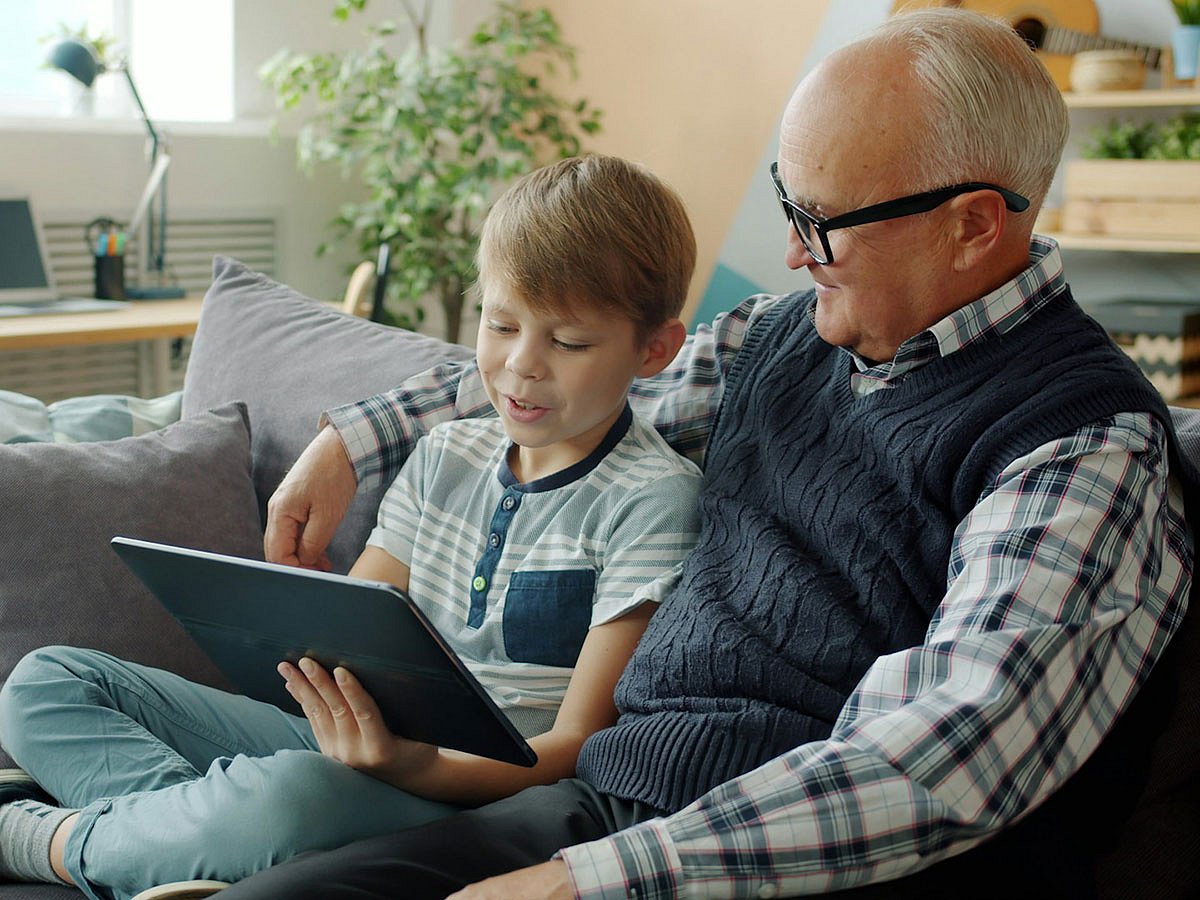
In a world that is moving faster than ever, one of the most valuable lessons we can teach our children is to slow down, sit beside an elderly person, listen to their stories and appreciate the wisdom that comes with age. As we prepare children for academic success and future careers, we must also prepare them to become compassionate human beings who understand the importance of caring for others, particularly the elderly.
There is something profoundly beautiful about watching a child hold a grandparent’s hand, listen to stories from another era or patiently help an older person with a simple task. These seemingly ordinary moments nurture empathy, patience and respect. They teach children that caring for others is not an obligation but an expression of love and humanity. One generation must spend time with the next if we are to bridge the gaps in understanding and build stronger relationships.
When generations grow apart
Children today navigate a world filled with academic expectations, extracurricular commitments, digital distractions and social pressures. Their days are often structured around activities that leave little room for unhurried conversations with grandparents and elderly relatives. Increasingly, opportunities for meaningful intergenerational connections are becoming limited.
Consequently, some children may feel uncomfortable initiating conversations with older people. They may not know what to talk about or how to respond when an elderly person repeats a story or needs more time to complete a task. This is not necessarily a lack of kindness; often, it is simply a lack of exposure.
Familiarity breeds understanding. When children regularly interact with older people, they gradually learn to appreciate differences in perspectives, communicate with consideration and respond with patience. They begin to recognise that growing older does not diminish a person’s need for companionship, affection and dignity.
Childhood memories that shape us
Some of my most precious childhood memories are of spending my holidays with my maternal grandmother, grand aunts and uncles. Those days were filled with conversations, stories and the simple joy of being together. At the time, I may not have fully understood the significance of these experiences. Looking back, I realise how profoundly they shaped my understanding of relationships, family values and life itself.
The elderly in our lives are often our first storytellers and quiet mentors. Through their experiences, we learn about sacrifice, perseverance, traditions and the changing world. Their stories help us appreciate the privileges we enjoy and recognise the efforts of those who came before us. More importantly, these interactions teach us to look beyond ourselves. We learn that people sometimes need our time more than our advice, our presence more than our presents, and our patience more than our solutions.
In retrospect, the lessons I learnt through these relationships remain an integral part of who I am today. Conscious of their value, I made a deliberate effort to create similar experiences for my daughter. I wanted her to enjoy the warmth of intergenerational relationships and understand that spending time with the elderly was not a duty to be fulfilled but a privilege to be cherished.
Making time for meaningful connections
Families must consciously create opportunities for children to interact with grandparents and other elderly members of the community. Visits should not be restricted to festivals, birthdays or special occasions. Regular conversations, shared meals, family stories, traditional recipes and looking through old photographs can help children develop the confidence to engage naturally with older people.
Schools, too, have an important role to play. Intergenerational storytelling sessions, visits to care homes, oral-history projects and community outreach initiatives can help students understand the experiences and needs of the elderly. These opportunities must go beyond token gestures to foster genuine relationships.
Above all, adults must lead by example. Children observe how we speak to older people, whether we make time for them and how patiently we respond to their needs. We cannot expect children to value relationships that they rarely see us prioritise.
Raising a more humane generation
As societies evolve, family structures change, geographical distances increase and the pace of life accelerates. Many elderly people live far from their children and grandchildren, while others experience loneliness even when surrounded by family. These realities make it all the more important to teach children that caring for the elderly is a shared social responsibility.
We must also help them understand that care is not limited to financial support or meeting physical needs. Sometimes, care is a phone call made without being reminded, a visit that is not rushed, a conversation in which the elderly person is allowed to speak without interruption, or the simple courtesy of including them in decisions that affect their lives.
Ultimately, the measure of a good education cannot be confined to examination results, qualifications or professional success. It must also be reflected in the kind of human beings our children become: people who recognise the needs of others, value relationships and understand that success means little if it comes at the cost of kindness.
Perhaps the most enduring gift we can give our children is the opportunity to experience the richness of relationships across generations. Let us create those occasions, protect that time and make these connections an essential part of growing up. For one day, our children will look back on these seemingly ordinary moments and realise that they were extraordinary after all.
Let’s teach our children what it truly means to be human.
Dr Sheeba Jojo is an educator living in the UAE
Sign up for the Daily Briefing
Get the latest news and updates straight to your inbox
Network Links
GN StoreDownload our app
© Al Nisr Publishing LLC 2026. All rights reserved.