India–Europe trade plan has more to offer than rail
Cross-border rail may take years, but related cable projects may move ahead sooner
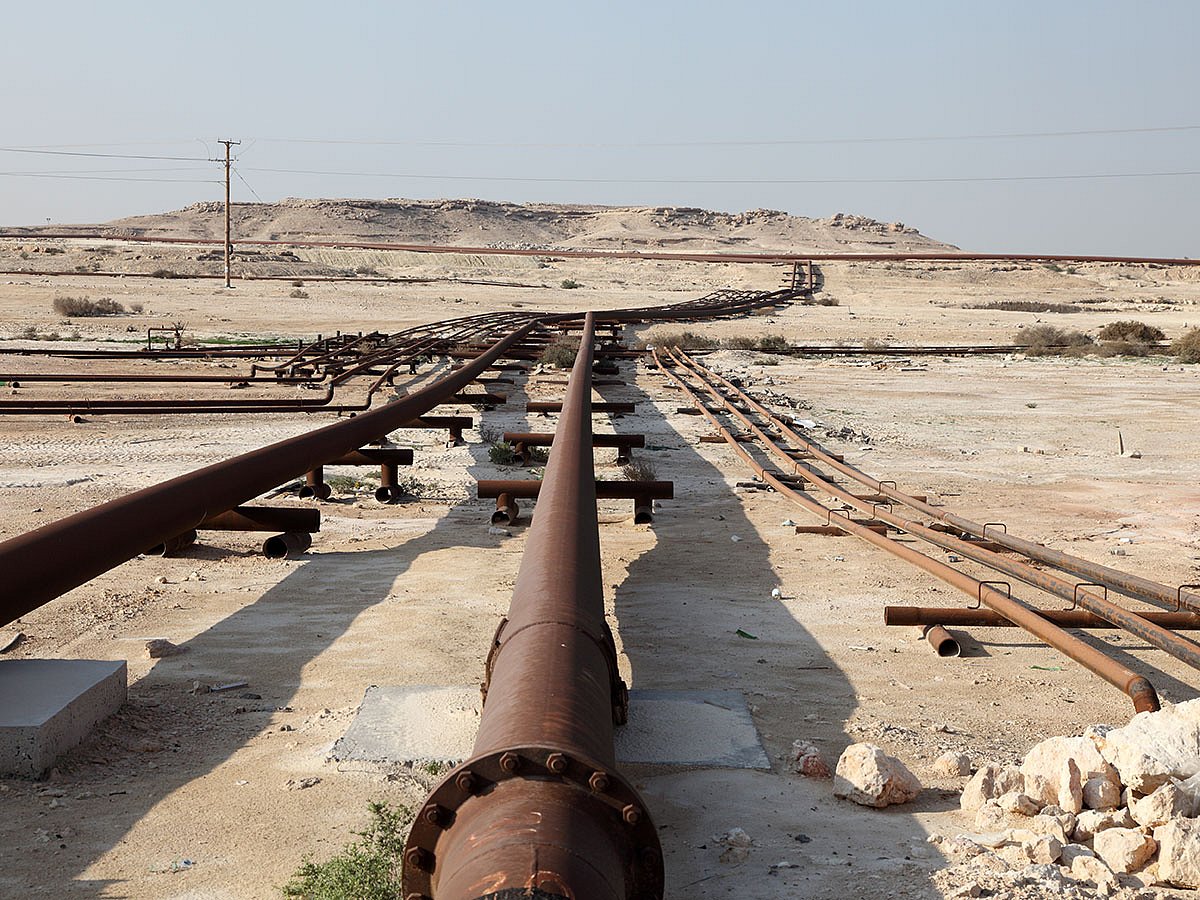
If you have heard more about the India–Middle East–Europe Economic Corridor lately, you may be picturing containers moving between India and Europe by ship and train. That is the plan’s biggest promise. It may also be the part that takes the longest to deliver.
IMEC is about more than moving goods. The agreement announced at the 2023 G20 summit also sets out plans for digital and electricity cables, and a pipe to export clean hydrogen. Each would serve different customers and need its own funding. There is no reason to judge all of them by the railway’s timetable.
That matters when we talk about progress. A cable that secures investment and provides a useful connection would be an achievement in its own right. It would not mean the freight route was ready, just as delays to the railway would not necessarily stop a separate digital project.
Donald Trump’s renewed support has brought IMEC back into focus as governments look for routes less exposed to disruption. The interest is understandable. For businesses, though, the useful questions are more specific: what is being built, who is paying for it, and when can customers use it?
Different projects, different customers
A digital cable and a freight railway need to prove themselves in different ways. A cable needs connections at either end and customers willing to pay to use it. A freight service needs ships, trains, ports and border crossings to work together each time a shipment moves.
There is a defined digital project associated with IMEC’s wider aims. An EU Global Gateway document places the planned 9,000km Blue Raman subsea cable within the corridor’s digital framework and lists €400 million in investment, including €37 million from the EU.
Those figures give us something concrete to discuss. They do not tell us that IMEC’s railway has been funded or built. They do not mean its planned electricity and hydrogen links are ready, either. Each project must stand up to its own commercial test.
For freight, that test is demanding. A container would leave India by ship, be moved onto a train at a Gulf port, travel towards the Mediterranean and then return to a ship for Europe. Every transfer adds time and cost. To attract customers, the whole journey must offer an advantage over shipping the container by sea.
Ships already connect India, the Gulf and Europe. The overland section is what would give businesses a different route. The UAE’s freight railway reaches its border with Saudi Arabia, but a working rail connection through to the Mediterranean is still missing.
A 2025 Atlantic Council study identified the proposed connection involving Saudi Arabia, Jordan and Israel as a major gap. It estimated a funding shortfall of $4.86 billion to $5.18 billion for a basic UAE-to-Haifa freight route. That is an estimate for one section, not an agreed budget for the entire corridor.
A second route must be dependable
Disruption has made the case for another trade route easier to understand. If a company’s usual shipment is delayed, a reliable alternative could help it keep supplies moving. But an alternative is useful only if it works when needed.
The proposed IMEC route would not avoid every risk at sea. Cargo sailing to a port inside the Gulf could still need to pass through the Strait of Hormuz. The Atlantic Council has identified access through Oman to the Arabian Sea as one possible way to reduce that exposure, though it would need an effective connection to the rest of the route.
Rail would bring its own challenges. Countries would have to agree on border procedures and charges, while operators would need schedules shippers could rely on. Building the track would be a major step, but it would not, on its own, create a service businesses can book.
That is why it makes sense to assess IMEC one project at a time. If a digital link secures customers, it can move ahead while governments work through the rail questions. The same could apply to an electricity connection or hydrogen pipe if either has funding and buyers. Progress on those projects would be real, even without a complete freight route.
European Commission President Ursula von der Leyen captured the political urgency in April 2026. “And now is the time to advance promising connectivity projects like the IMEC,” she said while calling for more ways to move exports without relying solely on the Strait of Hormuz.
The task now is to turn that support into projects whose costs, customers and schedules are clear. IMEC could provide useful connections before its trains run. We will understand its progress better if we give each completed link credit for what it does, while being just as clear about what is still on the drawing board.

Sign up for the Daily Briefing
Get the latest news and updates straight to your inbox
Network Links
GN StoreDownload our app
© Al Nisr Publishing LLC 2026. All rights reserved.