Every child learns differently. Should every child be educated the same way?
Parents look beyond rankings to find learning environments where children can thrive
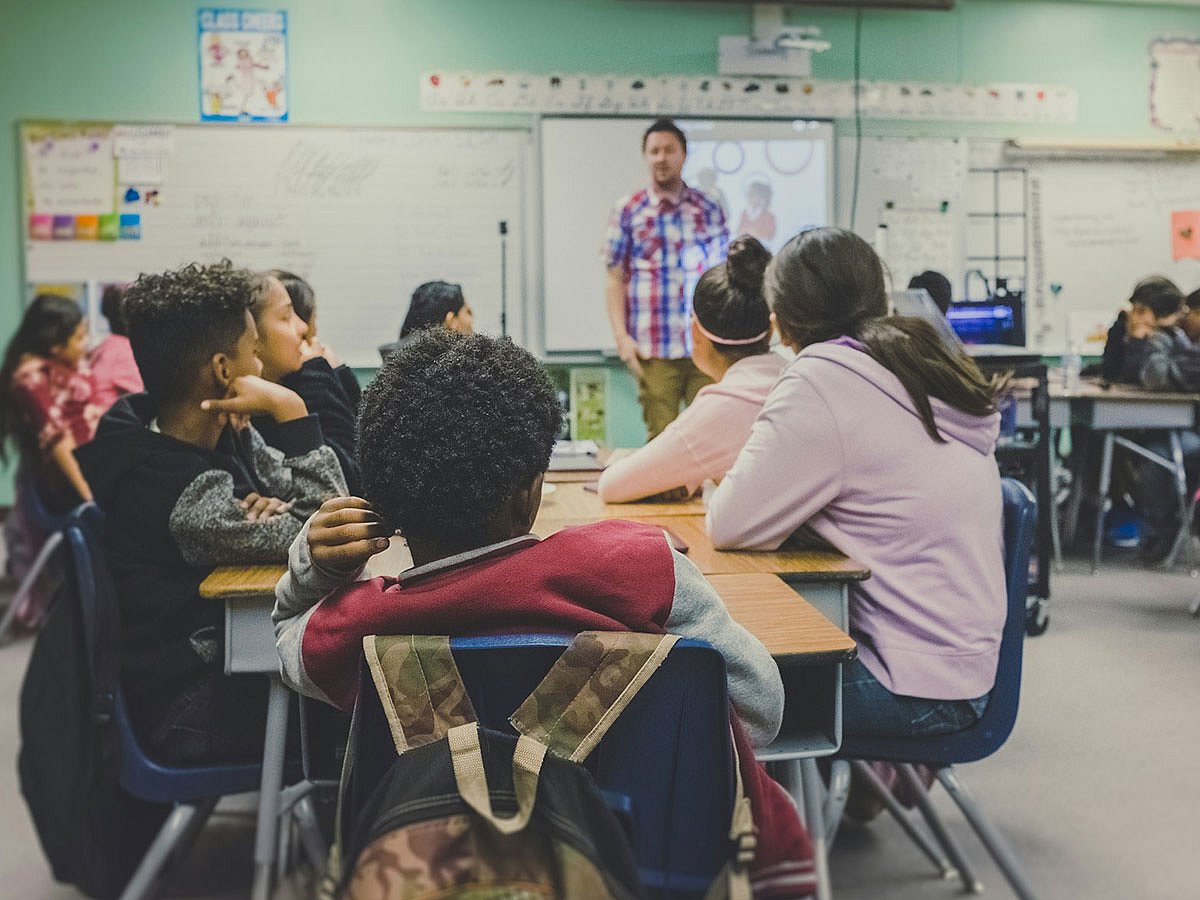
Every September, parents make one of the biggest decisions of the year. They compare school rankings, visit campuses, speak to other parents and weigh up academic results, facilities and extracurricular activities.
These factors remain important. But increasingly, they are no longer the deciding factor.
Is this the right school for my child?
The distinction matters because there is no such thing as a school that is perfect for every learner.
For generations, education has largely been designed around a single model. Children of the same age progress through the same curriculum, at the same pace, in the same environment, following the same timetable.
That model has served millions of children well and continues to do so, but parents and children are now becoming increasingly self-aware that this model does not suit all.
Some students thrive in large classrooms and structured school environments. Others perform at their best when learning is more personalised. There are also those who wish to pursue elite sport, the arts or entrepreneurial ambitions alongside their studies. Others require greater flexibility because of health, wellbeing or neurodiverse learning needs.
The point isn’t that one model is better than another.
One model does not fit all
The point is that one model does not fit all.
Over the past few years, many families from remarkably different backgrounds have reached the same conclusion: they weren’t searching for the “best” school — they were searching for the right environment for their child.
It wasn’t that their child had failed the education system. The system simply wasn’t the right fit for them. That is an important distinction.
When we think about education, we often focus on curriculum, examinations and academic outcomes. Those things matter enormously.
But before children can achieve their potential academically, they need something more fundamental.
They need to feel confident. They need to feel understood. They need to feel safe enough to ask questions, make mistakes and enjoy learning.
A deep connection
Too often, wellbeing is viewed as something separate from academic success.
In reality, the two are deeply connected. Children who feel engaged are more likely to participate. Children who participate are more likely to build confidence. Children with confidence are far more likely to achieve strong academic outcomes.
Wellbeing and achievement are not competing priorities — they reinforce one another.
This is one of the reasons many families are reconsidering what they value most when choosing a school.
Rather than asking only about examination results or league tables, many parents today are asking questions such as:
• Is this the best environment for my child?
• Will my child enjoy learning here?
• Will they be known as an individual rather than simply another student?
• Does this environment suit their personality, ambitions and way of learning?
• Will the school adapt to my child as they grow and their needs evolve?
Children are different
These are powerful questions because they recognise something education has always known, but perhaps not always embraced:
Children are different.
They learn differently.
They develop confidence differently.
They discover their strengths differently.
Why, then, should we assume they must all succeed in exactly the same environment?
The conversation is not about replacing one educational model with another. It is about recognising that families today deserve greater choice than ever before.
As we approach another academic year, perhaps the biggest shift in education is not the rise of artificial intelligence, digital classrooms or new technology. It is a growing recognition that education should begin with the child — not the system.
The best school is rarely the one with the highest ranking alone. It is the one where a child feels challenged, supported, inspired and able to flourish. That is why an increasing number of families are moving away from the idea of a one-size-fits-all school model.
Not because traditional education is failing. But because modern families increasingly understand that the best education is not the same for everyone.
As parents prepare for September, perhaps that is the most important question they can ask — not “Which school is considered the best?” but “Which school will bring out the very best in my child?”
Network Links
GN StoreDownload our app
© Al Nisr Publishing LLC 2026. All rights reserved.