UAE autumn: The weather is cooling, but should you ditch sunscreen? Why SPF doesn't take a season off
From mineral to chemical filters: How to choose an SPF you’ll actually use all year
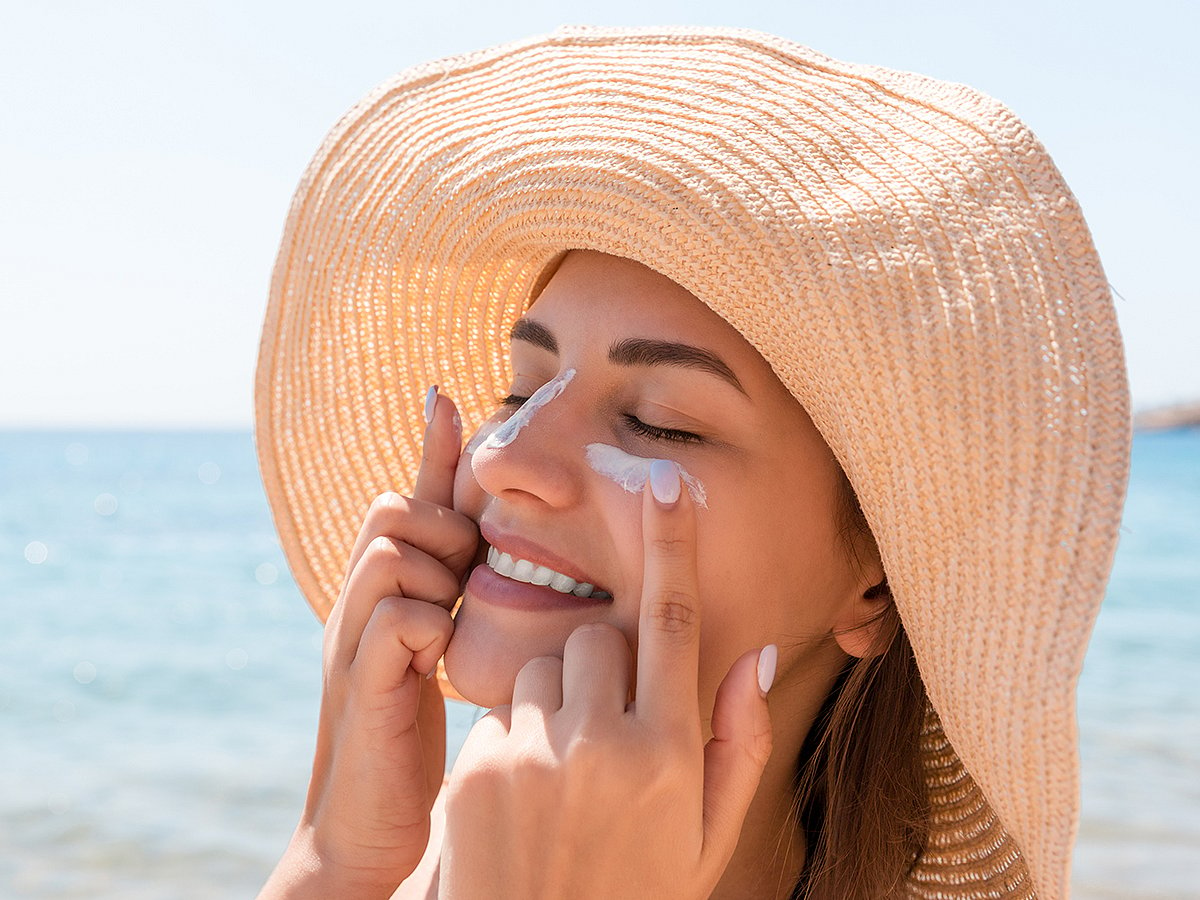
Cooler days can lull us into dropping SPF.
When temperatures drop and the sun softens, sunscreen is often the first step of a skincare routine to vanish from the routine. The logic seems sound: Less heat, weaker sunlight, fewer reasons to worry. However, ultraviolet radiation doesn't take a seasonal break.
The intensity of UV exposure shifts through the year, but UVA, which penetrates deeper into the skin and is linked to photoageing and pigmentation, is present year-round. UVB, the main culprit behind sunburn, varies more with season, time of day and location.
For the unversed, the sun’s rays that are most damaging to our skin are called ultraviolet (UV) rays. The two types of rays that reach the Earth’s surface — UVB and UVA. UVB rays are responsible for producing sunburn. The UVB rays also play the greatest role in causing skin cancers. In addition, the UVA rays penetrate more deeply into the skin and play a greater role in premature skin aging changes including wrinkle formation.
That doesn't mean your December routine should mirror a beach holiday. Someone spending eight hours indoors away from windows faces a very different day from someone skiing, hiking, driving or sitting beside a large window.
So what should actually change when summer ends?
Cooler weather, same UV
It's easy to associate the sun protection with hot, bright summer days, yet, as Dr. Rahaf Ali Madanieh, Specialist Dermatology from Medcare Medical Centre points out, the sun is always present.
While UVB levels fluctuate more with the seasons, she notes, UVA remains relatively consistent and contributes to cumulative skin damage over time. "This means that cooler temperatures should not be taken as an indication that there is no UV exposure," she explains. "UVA in particular is associated with premature skin ageing and pigmentation, while both UVA and UVB contribute to skin cancer risk."
Asked whether sun protection still matters in winter, Dr. Zaheer Abbas, dermatologist at SKIN111 Clinic, draws a similar distinction: "Yes, although the amount of exposure matters. UVB, which is the main cause of sunburn, is generally lower in winter. But UVA is present throughout the year and crosses window glass much more readily than UVB."
Temperature, in other words, is a poor gauge of UV. Real exposure depends on where you live, the time of day, the season and how long you spend outdoors. For anyone regularly outside in daylight, sunscreen is less a reaction to the weather than a matter of consistency.
UVA and UVB: Why both matter
It's tempting to cast UVB as the 'summer' ray and UVA as the 'winter' one. The reality is more nuanced. Both behave somewhat differently. As Dr Madanieh explains, UVB is strongly associated with sunburn and varies considerably with factors such as season, time of day and geographical location. "UVA penetrates the skin more deeply and is present throughout the year, making it particularly relevant to cumulative photoageing and pigmentation," she says.
"It is important not to think of UVA and UVB as competing risks, she adds. Both contribute to skin damage, and both are relevant to skin cancer prevention.
That's why the label worth looking for is broad-spectrum, not simply a high SPF number. "For year-round protection, I generally recommend looking for a broad-spectrum sunscreen that provides protection against both UVA and UVB rather than focusing on SPF alone," Dr. Madanieh says.
The grey-sky illusion
Autumn and winter can be deceptive. When the sky is grey and there's no obvious warmth, it's easy to assume your skin is safe. The clouds can reduce the UV radiation reaching the ground, however, as the experts note, they do not block it completely. The amount that gets through, depends on the type and thickness of the cloud, the location and the time of the day. Haze and fog shouldn't be treated as a shield, either.
"On a cool or overcast day, people may not feel the warmth associated with strong sunlight, which can create a false sense of security," she says. If you're outdoors for long, especially around midday, protection remains sensible even on a dull day, though nobody indoors needs to fear every ray of daylight.
Do you really need sunscreen indoors?
The answer is more individual than the blanket 'yes, every two hours' advice suggests. Ordinary window glass blocks most UVB, but UVA is another story. "The amount of UVA that passes through depends on the type of glass and any protective coating or film applied to it," Dr. Madanieh explains.
If you spend most of your working day indoors, away from direct daylight, your overall exposure is likely to be limited, as Dr. Abbas explains.
A desk beside a large, sunny window is different. "If you work for several hours beside a large window or drive frequently, or sit in direct sunlight indoors, cumulative UVA exposure can become more relevant, particularly for hyperpigmentation and photoageing," he says.
Even so, office workers needn't set a reapplication alarm. "As a dermatologist, I would not tell someone who is indoors all day in a room away from windows that they need to reapply sunscreen every 3 hours," Dr. Abbas says. For those with hyperpigmentation or photosensitive skin, though, he considers daily broad-spectrum sunscreen a sensible habit.
Nor is sunscreen the only tool. Dr. Madanieh points out that window coverings, UV-protective films, clothing and simply moving out of direct sunlight all reduce exposure.
SPF 50 every day in winter?
Here, lifestyle matters more than the calendar. "The appropriate level of protection depends more on exposure than simply on the season," says Dr. Madanieh, who recommends a broad-spectrum SPF 30 or 50, applied correctly, for regular outdoor exposure.
Moreover, if you are going skiing, hiking, playing outdoor sports or spending several hours outside, SPF 50 and regular reapplication is advised, explains Dr Abbas.
Winter sports add another factor. "UV exposure can also be significant at higher altitudes, and snow can reflect UV radiation," he says. A cold-weather holiday is not automatically a low-UV one.
Desk-bound days are a different matter. "If you are mainly indoors, away from direct sunlight, your practical exposure is much lower," says Dr. Abbas. "You don't necessarily need to treat a normal winter workday indoors in the same way as a day spent at the beach."
For people with hyperpigmentation, photosensitive conditions or significant concerns about premature ageing, however, he recommends daily broad-spectrum SPF 50 all year round. "Consistency is more useful than changing the routine dramatically with every season," he says.
Mineral or chemical?
Mineral versus chemical can make choosing a product feel complicated, but Dr. Madanieh says either can do the job. "Both mineral and organic, often referred to as chemical, sunscreens can provide effective protection against UVA and UVB when they are appropriately formulated, tested and applied correctly," she says.
The difference lies in how they work, and how they feel. Mineral, or physical, sunscreens sit on the surface of the skin and protect as soon as they go on. They can be layered over make-up and skincare and rarely cause side-effects. Mineral sunscreens, mainly zinc oxide and titanium dioxide, are often well tolerated by sensitive or reactive skin. Their thicker texture, however, can aggravate acne-prone skin, and they may need more frequent reapplication.
Chemical sunscreens take a different approach. Filters such as oxybenzone, avobenzone, octisalate, octocrylene, homosalate and octinoxate absorb UV rays and convert them into heat, which then dissipates from the skin. As these ingredients need time to bind to the skin, apply them about 30 minutes before heading outdoors. The payoff is texture: they rarely leave a white cast, which suits a wider range of skin tones, and they don't feel sticky or greasy. Chemical sunscreens tend to be lighter and more transparent, making them easier to apply generously and comfortably every day.
Dr. Madanieh adds that by filtering UVA, they help protect against the collagen damage behind premature ageing, and against the deeper damage from sunburn and oxidation that can lead to skin cancer.
In the end, feel may matter more than chemistry. "The best sunscreen is one you tolerate well and will use regularly," says Dr. Abbas.
Dr. Madanieh agrees. "If a sunscreen feels unpleasant or causes irritation, someone is less likely to use it regularly, so finding a suitable formulation is important," she says. For anyone concerned about pigmentation, she adds, strong UVA protection is especially important.
The mistakes dermatologists see most
The biggest is also the simplest. Often, people stop sunscreen just because it is cloudy and cold, explains Dr Abbas. The UV exposure does not disappear when the temperature drops.
The second is using too little. "Another is applying too little sunscreen," says Dr. Madanieh – even a high-SPF product can't deliver its labelled protection if it's spread too thinly. Dr. Abbas sees the same problem often, usually because people dislike the feel of sunscreen.
Then come the forgotten spots. "People also commonly miss areas such as the ears, neck, hands, hairline and the tops of the feet when these areas are exposed," Dr. Madanieh says.
Is SPF in makeup enough?
It helps, but neither dermatologist would rely on it alone. "Moisturisers and make-up containing SPF can provide some protection, but they should not automatically be considered a substitute for a dedicated broad-spectrum sunscreen," says Dr. Madanieh. The problem is quantity: Few people apply enough foundation or moisturiser to reach the SPF on the label.
"I generally consider them an extra layer rather than a replacement for a dedicated sunscreen," says Dr. Abbas. Hats, sunglasses, shade and clothing add further layers of defence.
The takeaway: Match sunscreen to exposure, not the season
Winter needn't mean a complicated regime – or no regime at all.
As Dr. Abbas puts it: "My simple rule for winter: if you are mostly indoors and away from windows, you dont need to apply sunscreen every few hours. But if you are going outside, driving, sitting beside windows for long periods, or have hyperpigmentation, rosacea or photoageing concerns, make broad spectrum SPF 50 part of your daily routine."
Sign up for the Daily Briefing
Get the latest news and updates straight to your inbox
Network Links
GN StoreDownload our app
© Al Nisr Publishing LLC 2026. All rights reserved.