Are you a mosquito magnet? Scientists reveal why you get bitten more
Researchers reveal how body odour, CO₂ and skin chemistry attract mosquitoes.
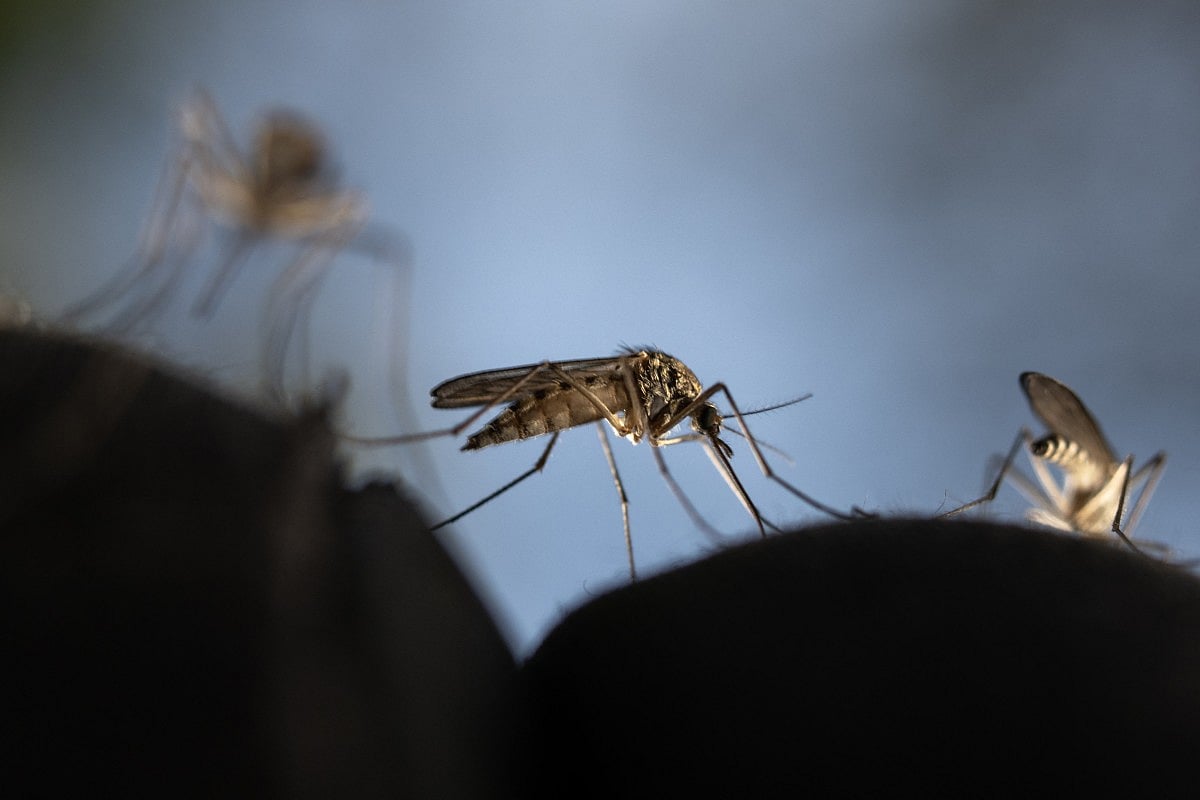
You step outside with friends on a warm evening. By the time you head home, you're covered in itchy mosquito bites while everyone else seems untouched.
It's a familiar experience for many people, and scientists say it isn't simply bad luck.
A growing body of research suggests mosquitoes are more selective than previously thought, using smell, body chemistry, heat and visual cues to choose their next meal.
Get updated faster and for FREE: Download the Gulf News app now - simply click here.
A recent study, highlighted in Nature, found that mosquitoes first detect people by sensing carbon dioxide exhaled with every breath. Once they get closer, a person's unique body odour largely determines whether they become a target. Researchers identified dozens of skin chemicals that influence mosquito behaviour, with one compound — 1-octen-3-ol, produced as skin oils break down — emerging as one of the strongest attractants.
Your scent matters more
For years, blood type has been blamed for attracting mosquitoes.
While some studies suggest people with Type O blood may receive more bites, researchers increasingly believe an individual's natural scent plays a much larger role than blood type alone.
Scientists say the mix of bacteria living naturally on human skin creates a distinctive chemical signature. That means some people simply produce odours that mosquitoes find more appealing than others, and genetics appear to influence this process.
Research from Rockefeller University previously found that people with higher levels of naturally occurring carboxylic acids on their skin consistently attracted significantly more mosquitoes than those with lower levels.
Carbon dioxide is the first clue
Every person exhales carbon dioxide (CO₂), which female mosquitoes can detect from surprisingly long distances.
People who produce more CO₂ — including larger adults, pregnant women and those who have recently exercised — tend to attract more mosquitoes because they are easier to locate.
Body heat and moisture also help mosquitoes zero in on potential hosts after they detect carbon dioxide.
Can what you wear make a difference?
Research suggests the answer is yes.
Mosquitoes are better at spotting people wearing darker colours, such as black, navy blue and red, once they detect carbon dioxide. Lighter colours, including white and green, appear less attractive.
What actually helps prevent bites?
Health experts recommend focusing on measures consistently shown to reduce mosquito bites rather than relying on popular myths.
These include:
Using insect repellents containing DEET, picaridin or oil of lemon eucalyptus.
Wearing long sleeves and trousers, particularly at dawn and dusk.
Choosing lighter-coloured clothing.
Eliminating standing water where mosquitoes breed.
Using window screens or fans when outdoors, as mosquitoes are weak fliers.
Scientists say mosquitoes are unlikely to disappear from our summers anytime soon. Still, understanding why some people become "mosquito magnets" may eventually help researchers develop better repellents and new ways to prevent diseases such as dengue, malaria, West Nile virus and Zika, all of which are spread by mosquito bites.
Sign up for the Daily Briefing
Get the latest news and updates straight to your inbox
Network Links
GN StoreDownload our app
© Al Nisr Publishing LLC 2026. All rights reserved.