AI stethoscope shows promise in detecting heart disease earlier
Large trial finds smart device helps doctors spot heart problems in routine check-ups
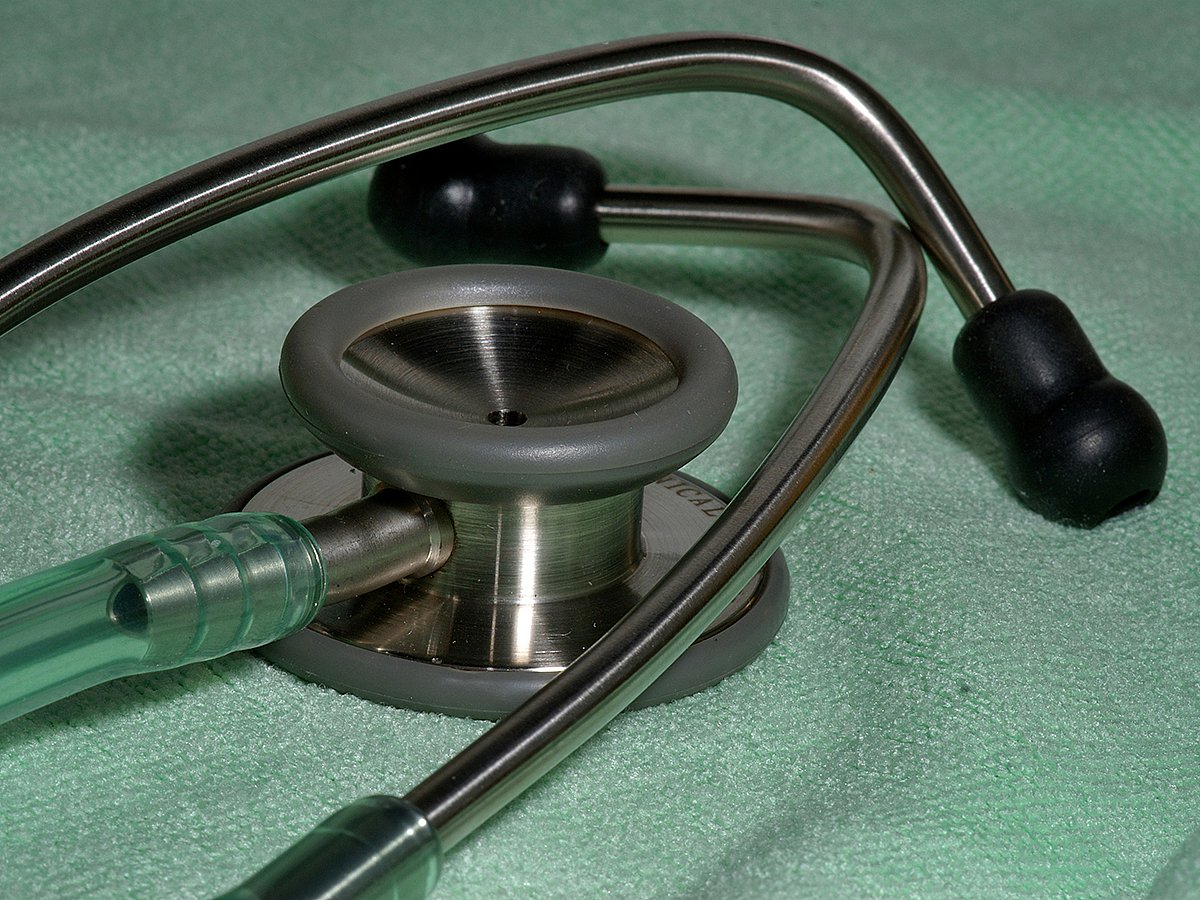
As artificial intelligence continues to find its way into healthcare, a major new clinical trial has shown that an AI-enabled stethoscope can help doctors detect heart disease earlier, especially in primary care settings. The study was published in The Lancet on Thursday.
Researchers found that the smart stethoscope helped identify early signs of serious heart conditions, including heart failure, irregular heart rhythms and valve disease, during routine GP visits.
Faster and more frequent detection
The trial showed that doctors using the AI device detected heart problems more often and at an earlier stage. New cases of heart failure were almost twice as high in patients examined with the AI stethoscope, while detections of irregular heart rhythms were nearly three times higher compared with usual care.
The findings suggest the device performed well when used, particularly in busy primary care clinics where early symptoms are often missed.
Why primary care matters
“Primary care is under growing pressure, with rising workloads and limited resources,” said lead author Sergio Cinza-Sanjurjo from the University of Santiago de Compostela in Spain. “AI tools have clear potential to support doctors, but fitting them into everyday practice remains a challenge.”
The study highlights how technology could help GPs make quicker and more accurate decisions, provided it fits smoothly into existing systems.
Inside the landmark trial
Known as the TRICORDER trial, the study is the first national-scale trial of a clinical AI tool of its kind. It involved 205 NHS GP practices across the UK and covered more than 1.5 million registered patients.
The AI stethoscope uses three built-in algorithms to listen for signs of heart failure, abnormal heart rhythms and valve disease during normal appointments. Over 12 months, doctors carried out nearly 13,000 AI-assisted heart checks.
Mixed results
Overall heart failure detection numbers were similar between the AI group and standard care. However, patients who were actually examined using the AI stethoscope had much higher detection rates.
The trial also revealed practical issues. Many GP practices used the device less over time, citing extra steps during appointments and poor integration with electronic health records.
The researchers concluded that AI tools can help detect heart disease earlier, but only if they are easy to use and properly built into daily clinical work.
- With inputs from IANS

Sign up for the Daily Briefing
Get the latest news and updates straight to your inbox
Network Links
GN StoreDownload our app
© Al Nisr Publishing LLC 2026. All rights reserved.