Bibi Zumot, a proud fandom geek, cosplayer, and a star gamer.
Dubai star gamer’s guide to streaming success: Focus on audience first, numbers later
Bibi Zumot shares his story of gaming with us and what it takes to become a gamer
Last updated:
4 MIN READ
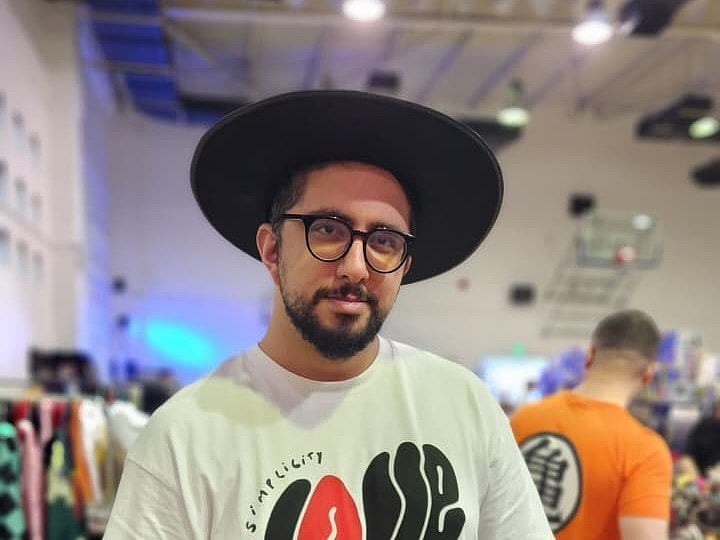
Gaming is Zumot's life, but he gradually discovered its many facets, including streaming
There’s always an air of electric excitement and passion in conversations with gamers. You find yourself making a promise to yourself and rushing home to switch on the PS5 and finally win the battle against knights who bring you down.
These gamers don't romanticise what they do. But they truly love what they do, with all its ups and downs, and look for ways to level up.
The love hasn’t wavered after years of dedication; if anything, it has only grown stronger. Gamers know, and are still learning, what it takes to become a professional, whether as a full-time career or a side hustle that is still quite profitable.
The pride these gamers carry is well-deserved. I almost felt ashamed of my casual button-mashing after speaking with Dubai's Bibi Zumot, a content creator, cosplayer, and professional gamer since childhood. On a telephone call, he eagerly shared his journey, starting with a flash game called Runescape. “I even pursued a degree for gaming, at a university of Dubai,” he explains. The course is for those, interesting in development of games too.
Gaming was his life, but he gradually discovered its many facets, including streaming. In 2018, he took the leap into streaming. When asked what set him apart, he answers candidly: “I’m usually very charismatic. And if you don’t care so much about yourself and what others think, then that’s important.” A brazen, don’t-care attitude combined with a determination to find your own niche, he suggests, can be key to breaking into professional gaming.
"I'm usually quite charismatic," he says quite honestly.
He also offered a crucial piece of advice: Stop obsessing over numbers and metrics. “The priority is to engage your audience first. Everything else follows after that,” he says. Harping on numbers and stats builds a relentless and unnecessary pressure and stress. Loving what you do, in its rawest sense, is what sustains you through the ups and downs.
One door leads to another, and that's what happened to Zumot. He has received offers for sponsored content, influencer collaborations, and even hosting events. all while working at a media agency. “I’ve done campaigns, too,” he says.
According to Zumot, there are three main ways to earn money through gaming: promotions and advertising, game development, and content creation. No doubt, money through gaming is always a tough deal.
A lot depends on your sponsorships and content.” An average gamer can make around $2,000, roughly Dh7,000, while some can reach Dh50,000 and above. But the income is rarely steady.
With the UAE and the broader Middle East becoming a hotspot for gaming tournaments, Zumot has participated in a few just for fun. Are there rules for joining? “Anyone can.” So, if you're still worried that you're not good enough, leave your worries aside. Go for it.
What’s refreshing about Zumot’s approach is how his love for gaming intertwines with other hobbies, particularly cosplaying. Sometimes, Superman. Sometimes, Mario. He loves pop culture, and is a fellow geek, as he says. We telephonically shake hands on that.
With a little help from other gamers, we put together a guide for those interested too:
Start with passion
Most gamers begin with pure obsession: playing, learning mechanics, sharing tips, helping others improve.
Early uploads or streams are rarely monetised. They’re driven by curiosity and love for the game.
Consistency matters more than talent alone: regular uploads, dependable streams, showing up even when engagement is low.
The unpaid years
Many creators spend years without financial return.
This phase is essential for learning: which formats resonate, which niches are untapped, and how audiences react.
Growth is slow and cumulative, not dramatic. Experimentation leads to early traction.
Transitioning to professional gaming
A sizeable audience doesn’t automatically allow quitting a day job. Many UAE gamers balance careers and content for years.
Full-time gaming comes only when content demands complete attention: platform growth, brand interest, and frequent uploads collide.
Adaptability is key: short-form video, live interaction, and trend-driven storytelling accelerate growth more than long-form gameplay alone.
Where the money comes from
Platform payouts (YouTube, Twitch, TikTok) are rarely the main source of income in the Middle East.
Sustainable income comes from:
Brand partnerships and sponsorships
Affiliate commissions
Promotional campaigns for publishers and hardware brands
Event appearances and gaming festivals
Consulting and community-driven projects
Income fluctuates monthly based on engagement, campaigns, and visibility.
Skills beyond gameplay
Skill attracts viewers; perspective keeps them.
Successful creators provide commentary, analysis, storytelling, and context.
Influence comes from trust, clarity, and connection with the audience.
Community is a career asset
Building communities through Discord, collaborative spaces, and learning hubs fosters loyalty and recurring support.
Community engagement opens doors to hosting events, consultancy, and representing the region in the broader gaming ecosystem.
Treat gaming as a business
Top pros expand into esports consulting, talent management, IP, or agencies.
Negotiation skills, business sense, and market knowledge become as important as gaming expertise.
UAE initiatives support positioning the country as a global hub for esports and digital entertainment.
Key takeaways from UAE star gamers
Long-term consistency (often a decade or more)
Clear niche in content, community, or consultancy
Multiple income streams beyond platform payouts
Regional relevance with global awareness
Treating gaming as a business, not just a hobby
Network Links
GN StoreAbout Gulf NewsTerms & ConditionsReach by GNSitemapContact usPrivacy PolicyGN FocusHave your sayWork with usAdvertise with usGulf News epaperPrinting Services
Download our app
© Al Nisr Publishing LLC 2026. All rights reserved.