Blockchain Sports revolutionises the world of sports talent and digital assets
The story of what happens when a founder refuses to surrender
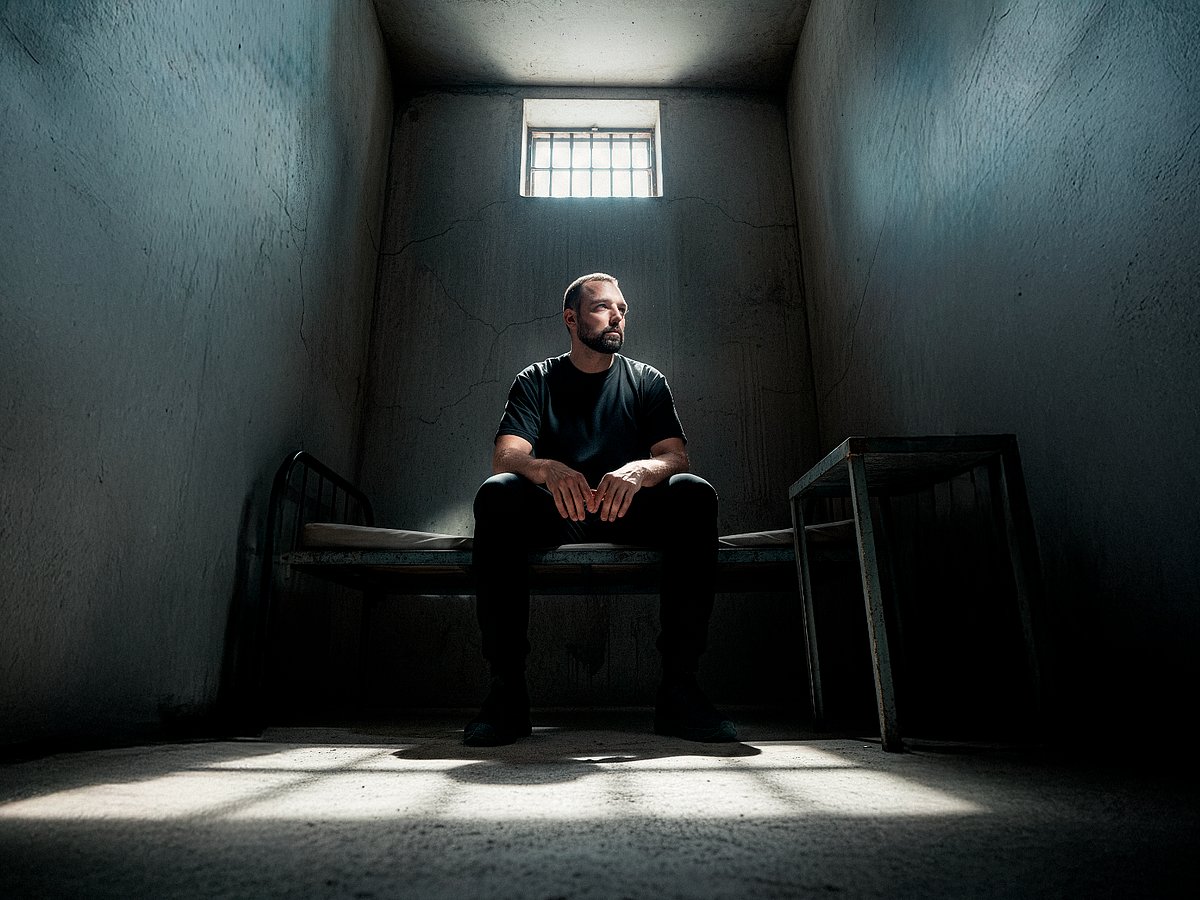
Some companies are born because a founder saw an opportunity. Blockchain Sports was born because its founder saw a moment when the easy thing to do was walk away — and chose the easier path instead.
Dmitry Saksonov never imagined he would one day lead a global sports-technology ecosystem valued at hundreds of millions. He never imagined he would build academies in Brazil, develop AI systems for evaluating young athletes, or create a blockchain network designed to make athletic opportunity fairer. Yet all of it began in the most unlikely way: with a chapter of life that stripped everything familiar away.
The collapse that could have ended the story
In 2018, Saksonov’s world fell apart faster than anyone around him could process. The business he had built disappeared. His assets were frozen. His name was pulled into a situation that forced him into years of stillness most people never recover from.
Adversity is loud at first — accusations, opinions, assumptions — but then it becomes quiet. And in that unsettling quiet, a person is left alone with decisions that shape the rest of their life. Most assume resilience is instinctive. It isn’t. It is a choice made in moments where giving up feels justified.
Saksonov chose not to. He used the silence to examine who he was without the identity he had once carried. What emerged was not anger or desperation, but clarity — a clarity that would anchor every step that followed.
The return that began without applause
When he returned to the world in 2020, he did not return to familiarity. There was no safety net waiting. No investors lining up. No reputation to fall back on.
He started again the way very few founders ever do: with borrowed equipment, a small rented room, and long days that often ended when the sun was rising again. He did not talk about what he was rebuilding. He simply rebuilt.
It wasn’t glamorous, but it was essential. Those months taught him that progress without visibility is more powerful than progress performed for others. It taught him to move without needing approval, to build without waiting for permission.
It also taught him that rebuilding the past would never be enough. Something deeper was waiting for him, though he didn’t yet know what.
The moment that redirected his life
That moment arrived in 2022 during a trip to Brazil. Saksonov had come to understand football culture, but what he found reshaped his understanding of opportunity itself.
Inside Rio de Janeiro’s favelas, he met children whose talent was undeniable. Their instincts, creativity, and passion equaled — and often surpassed — those seen in professional youth academies around the world. But their environment offered no structure, no visibility, and sometimes, no safety.
It wasn’t a lack of ability. It was a lack of pathways.
Local leaders told him as much. Scouts rarely visited. Clubs rarely looked beyond their existing networks. The children were playing to escape circumstances, not to prepare for careers.
Before leaving, they asked for one thing: a proper field — something permanent, something real. A place where their children could train with dignity.
Saksonov promised he would deliver it. And despite their doubts, he returned and did exactly that.
Standing on that newly built field, watching children sprint across real lines and real lawn for the first time, he understood the responsibility placed in front of him. Not by business, but by life.
Blockchain Sports began forming in his mind that day.
Turning responsibility into a global system
Saksonov didn’t build Blockchain Sports to compete with traditional institutions. He built it to correct what they missed. His vision was simple: if technology could reveal talent from anywhere, then geography would no longer determine a child’s future.
Piece by piece, he began constructing the system:
● Academies equipped with IoT tracking
● AI engines capable of evaluating potential with precision
● A blockchain network designed to ensure transparency
● And an evolving digital arena meant to connect fans, athletes, and clubs worldwide
It grew fast — faster than expected. Growth brought complexity, difficult decisions, and moments that demanded leadership rather than comfort. Saksonov handled them with the same mindset that guided him through the hardest chapters of his life: honesty, responsibility, correction.
A movement built on persistence
When Blockchain Sports stepped onto major stages in 2024, many people saw an overnight success story. They saw the valuation. The athletes. The community. The global excitement.
What they didn’t see were the years when Saksonov had nothing except discipline. They didn’t see the choices he made when surrender would have made sense.
So what happens when a founder refuses to surrender?
A movement emerges where there was once silence. A global ecosystem grows from a single promise. And a future takes shape — one built not on privilege, but on the belief that potential should always have a path forward.
Sign up for the Daily Briefing
Get the latest news and updates straight to your inbox
Network Links
GN StoreDownload our app
© Al Nisr Publishing LLC 2026. All rights reserved.