Seychelles targets sustainable growth with blue economy and renewable energy goals
Marine Spatial Plan balances conservation with economic development goals
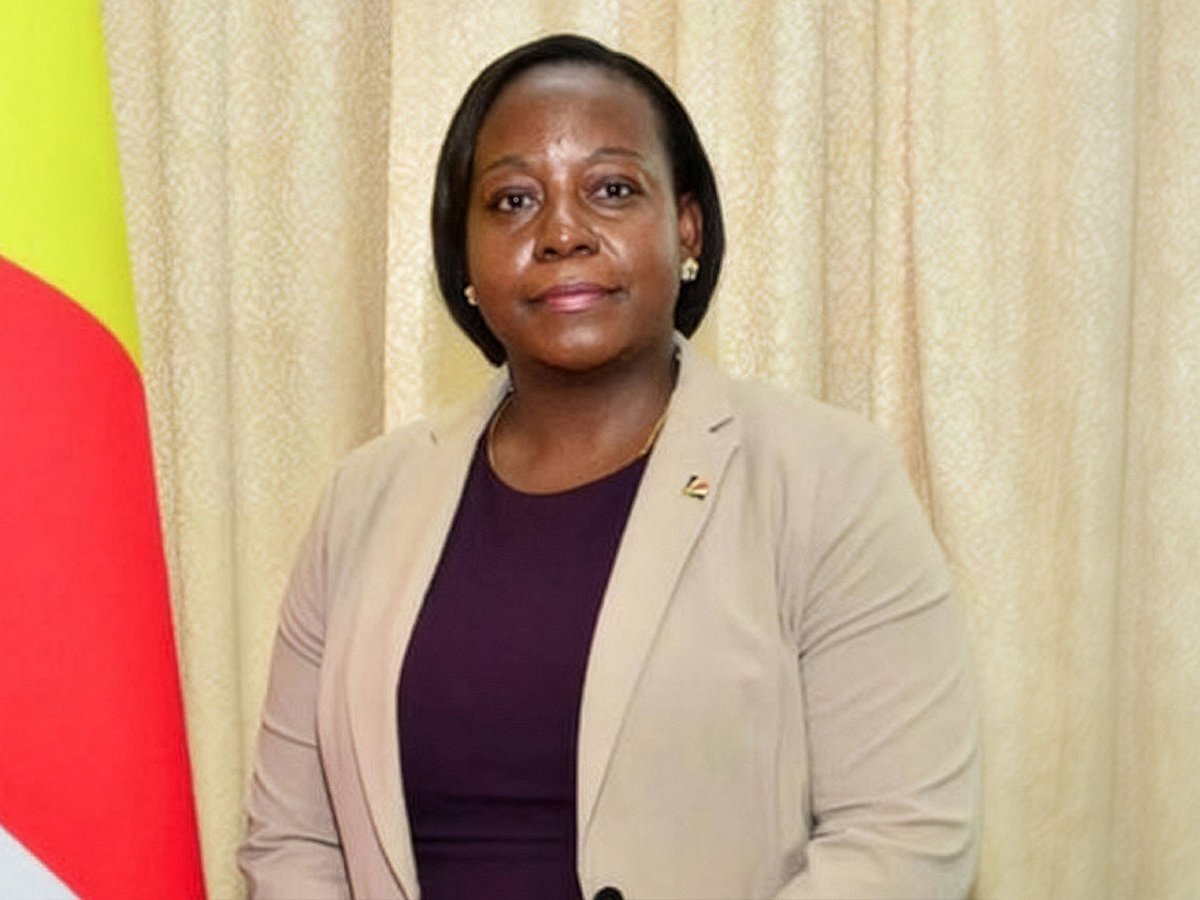
As sustainability takes a central role in Seychelles’ national strategy, Environment Minister Marie-May Jeremie notes that the environment has always formed the backbone of the economy. “The leading sectors, fisheries and tourism, depend on natural resources and on how well we manage them,” she says.
That foundation continues to shape priorities as the ministry targets the blue economy as a pillar of the economic diversification agenda. “The ocean space holds many untapped areas that could attract investors, research and innovation,” Jeremie says. “We need to look at all the ways we can remain relevant while remaining sustainable.” A major step towards that is the Marine Spatial Plan, designed to balance conservation with economic development across the nation’s 1.4-million-square-kilometre exclusive economic zone. “The plan has created opportunities by identifying key sectors and areas with growth potential beyond conventional fisheries and tourism,” Jeremie adds.
The ocean space holds many untapped areas that could attract investors.Marie-May Jeremie, Environment Minister
Complementing this is a supportive policy framework for renewables, tailored to the country’s needs. The ministry is engaging with industry, investors and UAE partners to facilitate a target of 15% renewable energy by 2030 – and 100% by 2050. “We are laying the groundwork so that when investors bring innovation and ideas to grow the sector, they do not encounter unnecessary barriers and bureaucracy,” says Jeremie.
Sign up for the Daily Briefing
Get the latest news and updates straight to your inbox
Network Links
GN StoreDownload our app
© Al Nisr Publishing LLC 2026. All rights reserved.