This is Postpartum, written by Tilda Klumpenaar, draws on her own experiences of postpartum depression
Postpartum Depression: Signs, support and survival after giving birth
Baby blues fade in weeks, but postpartum depression lingers and can worsen over time
Last updated:
2 MIN READ
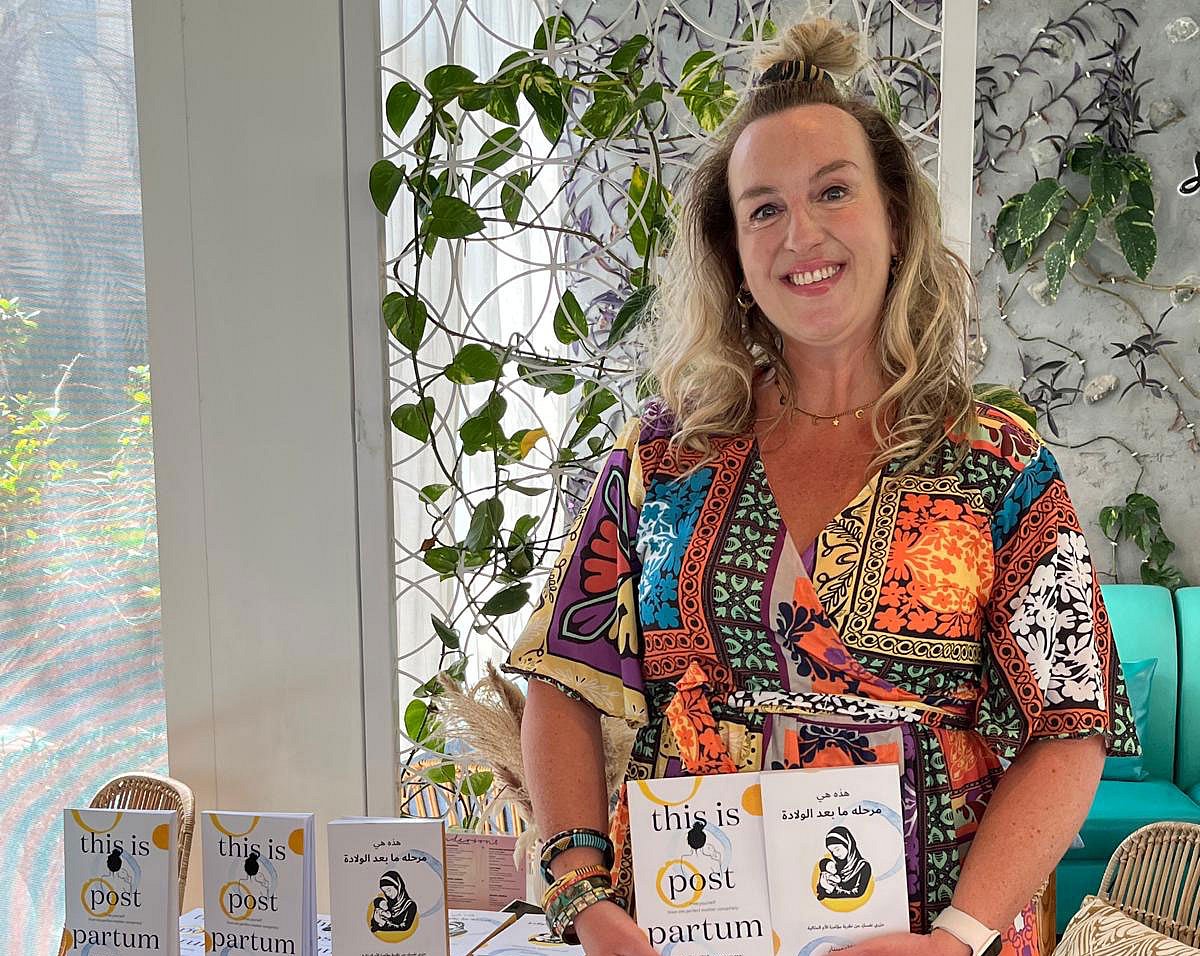
An Arabic edition of This is Postpartum published by The Dreamwork Collective was launched in the UAE to coincide with the Maternal Mental Health Awareness Week
Postpartum Depression (PPD) can be a debilitating condition for mothers following childbirth, but still, it remains one of the biggest taboos in parenthood. To break down the myths and challenge the taboo, Dutch author, Tilda Klumpenaar, has penned the book, This is Postpartum, drawing on her own experiences of PPD. A therapist specialising in prenatal and postpartum depression, Klumpenaar aims to show women that they are not alone. The book is published by Dubai-based, The Dreamwork Collective, and an Arabic edition was launched in the UAE to coincide with this year’s Maternal Mental Health Awareness Week. Here, Klumpenaar shares her expertise to explain the signs of PPD, the challenges of the ‘Instagram age’ and how mothers can get the support they need to navigate the condition.
How does postpartum depression manifest?
PPD can manifest anywhere between the first days after giving birth to weeks after the birth. Most moms I see in my practice come to me weeks, sometimes months, after the birth of their baby. They often tell me how they already felt sombre a few days after birth, but felt so ashamed or guilty, so they didn’t dare to speak up about it. The baby blues appear mostly three to five days after the birth and disappear in a couple of weeks, but postpartum depression stays on and gets worse with time.
What are the most common myths and challenges with PPD in the current times?
I often hear it said that moms shouldn’t complain so much; that they should choose to be more happy. But postpartum depression isn't a choice, it’s something that happens to you. Most moms were not prepared for anything like it and feel incredibly guilty about not being happy after giving birth. We live in a time when social media makes a lot of mothers compare themselves with other ‘insta perfect’ moms. That makes a lot of new moms feel insecure. At the same time, we are now talking about PPD and mental health issues more openly, which I’m very happy about, because it really is a necessity.
How and where can parents find support when they experience PPD?
First of all, talk about it with your partner, your family and friends. It’s very important to have that support when you’ve just had a baby. They say ‘it takes a village to raise a child’, but not everyone has this so-called village around them. So, if you’re going through PPD and you don’t have a lot of family and friends supporting you, ask for help, seek professional help too, and remember, you don’t have to do all of this alone. Also look for blogs, podcasts and other resources that give you support. I encourage clients to listen to podcasts about honest motherhood stories, read blogs that are supportive, and read books with real-life stories, so you feel less alone in the process.
This is Postpartum is available in both Arabic and English at The Dreamwork Collective.
Sign up for the Daily Briefing
Get the latest news and updates straight to your inbox
Network Links
GN StoreAbout Gulf NewsTerms & ConditionsReach by GNSitemapContact usPrivacy PolicyGN FocusHave your sayWork with usAdvertise with usGulf News epaperPrinting Services
Download our app
© Al Nisr Publishing LLC 2026. All rights reserved.