Pakistan Monument in Islamabad
GN FOCUS
Pakistan's economy soars with historic surplus, global recognition
Government’s reform-led strategy secured macroeconomic stability, paved the way for growth
Last updated:
3 MIN READ
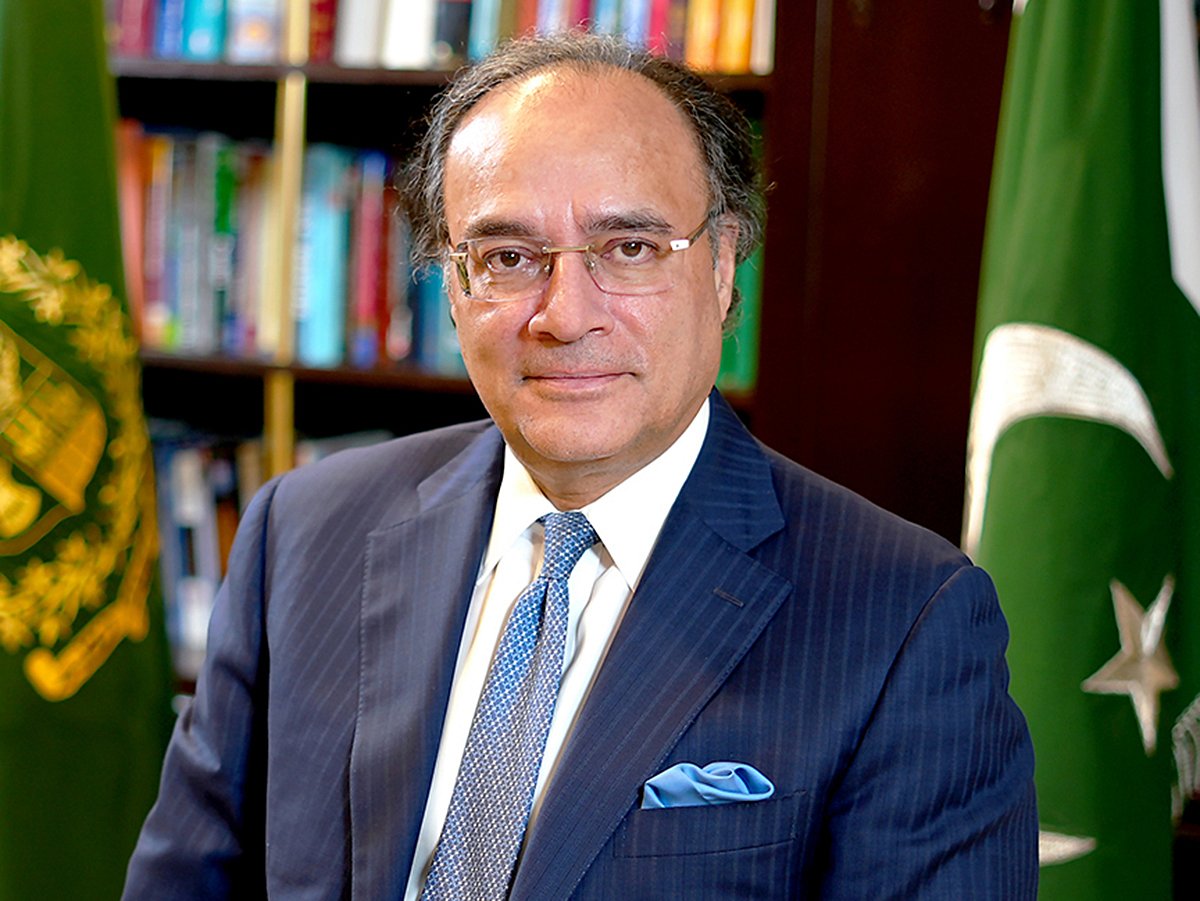
Muhammad Aurangzeb, Minister of Finance
The financial year 2024-25 marked a watershed moment for Pakistan’s economy, capped by a historic primary surplus of 2.4 per cent of GDP. Stability has provided the foundation for growth: inflation fell sharply over the period and GDP rose 3.04 per cent, while total foreign exchange reserves surpassed $20 billion by year-end. The stock market also rose 40 per cent – a combination of factors that saw Bloomberg name Pakistan the world’s second-top emerging economy for financial stability.
“With the relentless efforts of the government and the cooperation of both the Pakistani and global business communities, the promise of Pakistan's development is now on track,” Prime Minister Shehbaz Sharif said in response. These gains follow entry into a 37-month IMF programme designed to entrench macroeconomic stability and deliver structural reforms – part of a broader national strategy for long-term growth.
That strategy is being implemented through coordinated reform, including regulatory modernisation, digital infrastructure and sectoral transformation. Tariff reforms are reducing duties on raw materials and intermediate goods to boost industrial competitiveness. At the same time, tax administration is being streamlined, and cross-ministerial initiatives are focused on expanding export capacity.
International partnerships are central to this approach. Regulatory cooperation with the UAE, particularly in emerging areas such as digital assets, is already shaping national frameworks, while synergies in priority areas are driving engagement. “Investment is already flowing into ports, and opportunities are opening in oil and gas, minerals and mining, IT, AI and crypto,” says Federal Minister for Finance and Revenue Muhammad Aurangzeb. In the following interview, he outlines the strategic pillars shaping this new trajectory.
How do you define Pakistan’s long-term economic vision?
Our initial goal was to restore market stability. Meeting ministers and sector leaders made it clear that macroeconomic stability is basic hygiene; fiscal and external balances are foundational. By the end of last fiscal year, we had a primary fiscal surplus and, for the first time in many years, a current account surplus, thanks largely to trade and remittances. But stability is not an end in itself: it enables profit and dividend repatriation, free capital flows and financing at reasonable rates.
Our bilateral partners, especially the UAE, have shown generosity and commitment.Muhammad Aurangzeb, Minister of Finance
We have come a long way, with external validation through improving investor sentiment and upgrades from all three major rating agencies. This strengthens our access to markets and international capital. Our focus is not just short-term improvement but lasting stability, avoiding past boom-and-bust cycles.
What are your priorities going forward?
The next priority is reducing the size of government through rightsizing, pension reforms, SOE reforms and ultimately privatisation. Our minister of privatisation has provided a clear roadmap and brings strong professional expertise. It is a critical part of our economic roadmap. The private sector should lead the economy, while government provides the enabling environment.
What role can the UAE play?
We aim for sustainable growth, even if it takes longer than expected. We are shifting to an export-led, investment-driven model. The UAE partnership is central to this, alongside other bilateral partners and market access. Trade with the UAE has grown year on year and remittances from the UAE rose 42 per cent.
Our bilateral partners, especially the UAE, have shown generosity and commitment at the highest level. It is up to us to present investable, bankable projects, which we will continue to develop across sectors.
QUOTE (83/87 CHARS): “”
Sign up for the Daily Briefing
Get the latest news and updates straight to your inbox
Network Links
GN StoreAbout Gulf NewsTerms & ConditionsReach by GNSitemapContact usPrivacy PolicyGN FocusHave your sayWork with usAdvertise with usGulf News epaperPrinting Services
Download our app
© Al Nisr Publishing LLC 2026. All rights reserved.