Packaging as a Marketing Tool: Building a brand through design
Nozimjon Gaybulloev on balancing design and quality in industrial packaging production
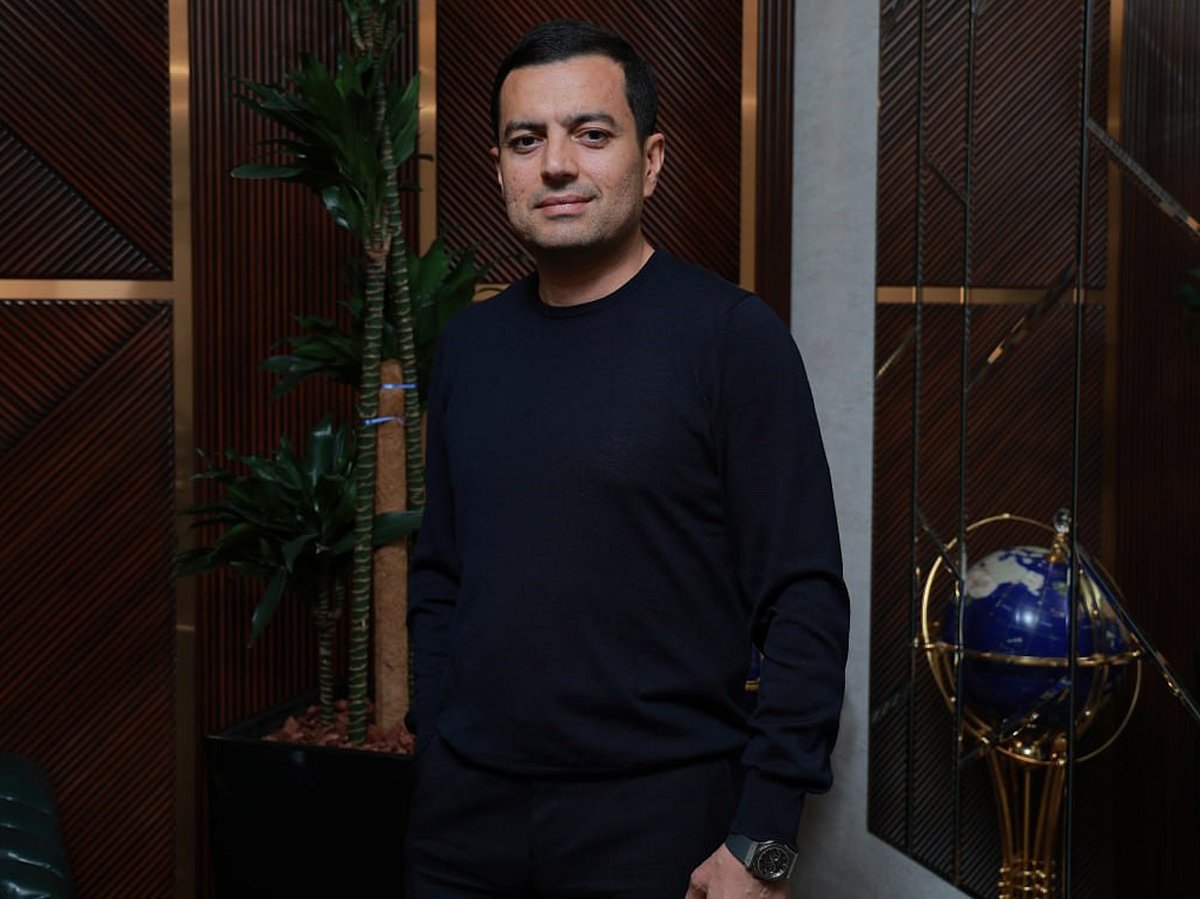
Nozimjon Gaybulloev is one of the entrepreneurs making a significant contribution to the development of Uzbekistan’s economy. He creates new jobs, generates tax revenue, enhances societal well-being, and launches projects that become leaders in their respective industries.
He entered entrepreneurship from the banking sector: over several years, he rose from a junior employee to deputy branch manager at the National Bank of the Republic of Uzbekistan. According to him, his banking experience helped him identify a growth opportunity in the local market — a shortage of high-quality packaging materials. This insight sparked the idea of launching his own production facility.
“Working in banking deepened my knowledge of financial analysis and risk management. I learned to work in teams, communicate effectively with clients, and make balanced decisions under uncertainty. This experience sharpened my analytical thinking and strategic planning skills, which have become essential in my entrepreneurial career.”
Today, Nozimjon Gaybulloev manages three businesses simultaneously. In recent years, he has developed the Garnet Hotel and Garnet Mir Hotel in Tashkent, opened in response to growing international interest in the country. He is also advancing the startup XMed — a service that enables Uzbekistan residents to consult practicing doctors from home. Additionally, he oversees Rubber Plast Pharm, his packaging production business.
Rubber Plast Pharm was founded 14 years ago with just six employees. Today, it is the largest packaging materials manufacturer in Central Asia, employing around 400 people. The company supplies packaging to leading enterprises in Uzbekistan and across the CIS countries. Its clients include producers of wine and spirits, dairy products, and mineral water from Kazakhstan, Tajikistan, Kyrgyzstan, Turkmenistan, and Azerbaijan.
At the outset, the team debated whether to build production from scratch or acquire existing facilities. They ultimately chose to purchase an operational workshop producing heat-shrink caps and modernize it. This approach allowed them to bring products to market faster and make the most efficient use of available resources.
“At first, we considered building a new plant from the ground up, but in the end, we acquired an existing workshop that was only making heat-shrink caps at the time. We upgraded the equipment fleet, automated processes, restructured the team, and mastered new product lines. Today, Rubber Plast Pharm’s annual turnover is around $20 million — that’s hundreds of millions of units produced each year.”
Nozimjon attributes his success to two key factors: the adoption of innovations and a strong client-centric approach. Thanks to a broad product range, manufacturers no longer need to source packaging materials from multiple suppliers — everything can be handled at one factory.
Why clients trust the manufacturer with packaging design
“My packaging company grew rapidly and captured a significant market share. In the first few years, it became profitable, enabling us to reinvest in further development and expansion. Our production facilities are located in Tashkent, ensuring convenient logistics and access to key markets. We now supply caps, labels, boxes, pallets, and films, and we also handle decoration and painting of glass bottles.”
Among Rubber Plast Pharm’s clients are Toshkentvino, the largest wine and spirits producer in Central Asia, along with several other prominent manufacturers of alcoholic and non-alcoholic beverages in Uzbekistan. The entrepreneur has also established partnerships with leading industry players from other CIS countries, including Siyoma, one of Tajikistan’s largest bottled water producers; Kazakhstan’s Winzavod Yuzhny; Alcomir, a major producer of alcoholic and non-alcoholic drinks in Kyrgyzstan; and Diamond glass, a significant packaging manufacturer from the same country.
The geography of Rubber Plast Pharm's supply network continues to expand. Gaybulloev identifies the UAE as the company's next target market — where demand for FMCG packaging is growing steadily alongside rising output in food and beverage production. "Dubai is not just a sales market — it's a logistics hub for the entire region. A manufacturer that establishes a presence there gains access to multiple directions at once," he says. The model refined across the CIS — a single point of entry, seasonally managed inventory, quality control before any production run begins — transfers to new markets without fundamental changes, he argues. Scarcity works the same way everywhere: the advantage goes to those who anticipated it.
“At the beginning, we placed great emphasis on optimizing internal processes to reduce costs and boost productivity. That’s when we decided to establish our own in-house design department. Now, in ninety percent of cases, clients entrust us with the design — from labels and caps to boxes and decorative elements,” says Nozimjon Gaybulloev.
The facility operates not only production lines but also a dedicated team of designers who develop appealing product presentation options. Nozimjon notes that clients frequently express gratitude after their products, packaged by his company, hit the shelves — they become more recognizable, and sales volumes continue to grow.
“The department includes a technologist who can immediately assess the reproducibility of a design, ink availability, and equipment load. He suggests alternative materials or printing methods that preserve the packaging’s marketing appeal within the given technological constraints. Clients usually come with a product idea — sometimes with a reference or a liked visual solution — but the subsequent design work is most often handled internally by our team.”
When developing designs, Rubber Plast Pharm takes into account the specifics of the market and the target audience of its clients. Gaybulloev cites an example of a project where the design drew on the traditional musical instrument — the dutar — and a recognizable cultural motif. According to him, after the product launched with this visual tie-in, its sales outperformed similar items without such cultural resonance.
“Together with my team, using various marketing strategies, we attracted more clients and developed an individualized approach for each case. We operate in Uzbekistan, where perceptions of packaging are influenced by Eastern traditions and religious principles. These factors are considered right from the concept discussion stage.”
Which packaging defects become critical for product perception
In mass-produced goods, brand perception largely depends on how the packaging performs in real use. Buyers evaluate not only the core design idea but also the physical condition of the product — the quality and consistency of materials and coatings.
A telling example is bottle coloring. This process demands precise control of temperature regimes, processing times, and storage conditions for components. Some materials are imported, and their properties are directly affected by logistics conditions.
“Entering the international market was no easy task for us,” Nozimjon admits. “The beverage producers we initially approached already had their trusted suppliers. But through ongoing interaction, we managed to convince them of our product’s superior quality, competitive pricing, and top-tier service. In the end, many chose us.”
By Oleg Sabitov
Sign up for the Daily Briefing
Get the latest news and updates straight to your inbox
Network Links
GN StoreDownload our app
© Al Nisr Publishing LLC 2026. All rights reserved.