How 21st-century skills are embedded in school life
In conversation with Dr Bhavna Gupta, Principal, Bhavans Al Saad Indian School, Al Ain
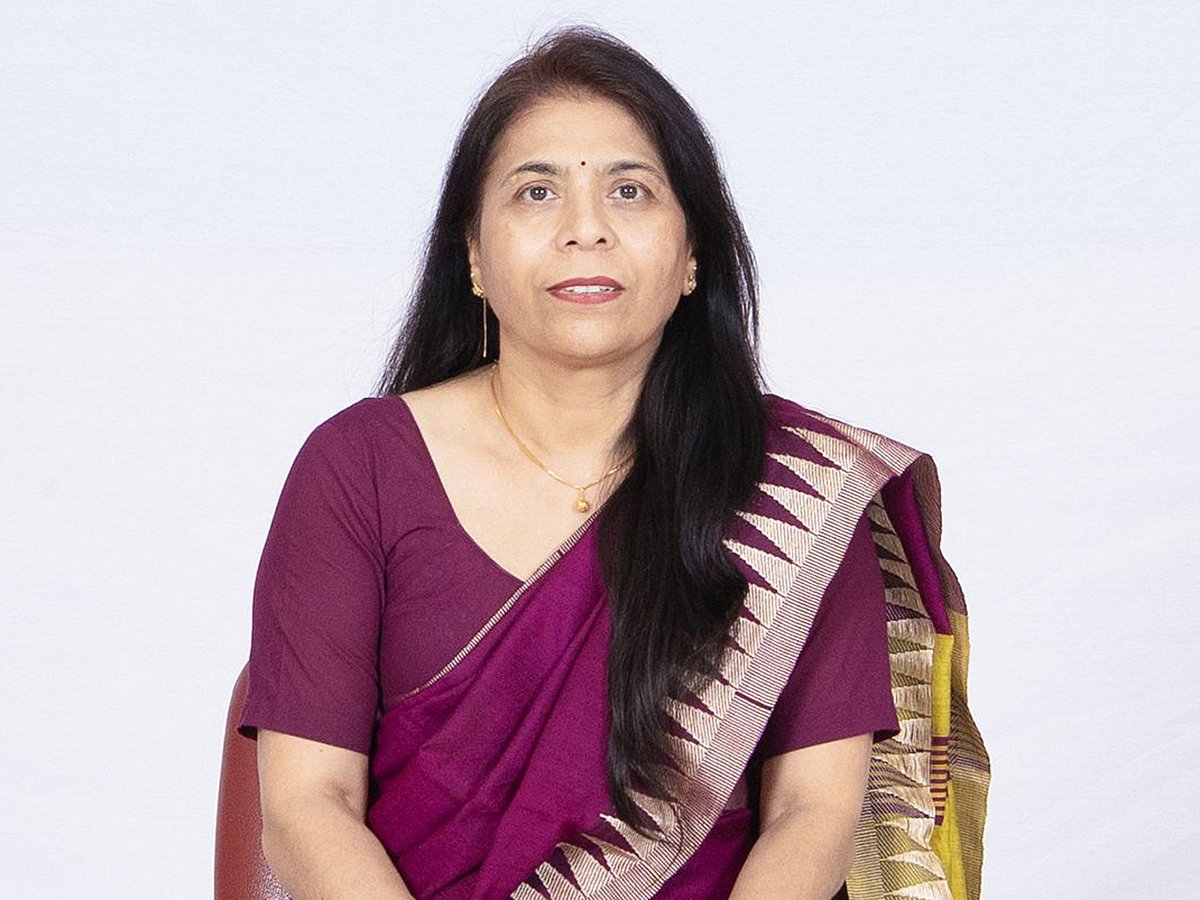
How is your school rethinking teaching and learning so that students develop not only academic strength, but also adaptability, problem-solving abilities, and the confidence to navigate uncertainty?
As a school leader, I believe education should balance academic excellence with the development of character, resilience, and adaptability. At Bhavan’s, 21st-century skills are not taught in isolation, they are embedded across every sphere of school life. Inspired by the UAE’s progressive educational ecosystem, we nurture critical thinking, problem-solving, collaboration, and leadership through authentic learning experiences.
Our greatest strength lies in a culture that prioritises wellbeing, safety, and student agency. From every member of staff to the leadership team, we model shared responsibility and care. When students feel valued and empowered, they take ownership of their learning, develop confidence, and emerge as ethical, future-ready leaders.
Many schools speak about future-ready learning, but translating that into the curriculum requires concrete change. How are you redesigning classroom experiences, subject integration and assessment methods to ensure students are developing skills that remain relevant in a fast-changing global economy?
Preparing students for a rapidly changing global economy requires schools to move beyond traditional models of teaching and assessment. At our school, curriculum design is driven by relevance, application, and future readiness. Teachers create learner-centred experiences where students investigate real-world challenges, engage in design thinking, collaborate across disciplines, and reflect on their learning through metacognitive practices. Career-linked learning, technology integration, SDG, Art and Subject Integration and student voice are intentionally embedded into lesson planning. Exposure to international benchmark assessments and global best practices helps students develop the competencies, adaptability, and global awareness expected beyond national boundaries. As a leader, I monitor these elements closely, ensuring that every classroom experience aligns with our vision of nurturing confident, innovative, and globally competent learners.
What specific initiatives has your school introduced to help students better understand emerging industries, evolving career opportunities and the expectations of higher education institutions worldwide?
Career integrated learning is essential componant of daily lesson planning by teachers. Our school provides students with diverse opportunities to explore higher education and career pathways through participation in NAJAH Expo, the Energy and Innovation Boot Camp at IIT Delhi Abu Dhabi, and internship programmes at Abu Dhabi University.
Students gain insights into university expectations through seminars conducted by institutions such as Christ University, Bengaluru, and through the school’s EduFair featuring universities from the UAE, India, and abroad. Career Compass sessions, regular sharing of higher education and scholarship information, and the use of career assessments and psychometric tools further support students in understanding their interests, aptitudes, and future opportunities.
Career guidance is increasingly moving beyond university counselling into long-term life planning. How does your school support students in making decisions about higher education, career pathways and skill development?
Our school adopts a holistic approach to career guidance that extends beyond university admissions to include long-term career planning, personal development, and future readiness. Students receive individual career counselling, career assessments, and guidance during Open House meetings to help them identify their strengths, interests, and aspirations. Through Life Skills classes and counselling programmes, they develop self-awareness, goal-setting, action-planning, and decision-making skills. Students also have opportunities to interact individually with career counsellors, university representatives, and industry experts during career fairs, educational expos, and seminars, enabling them to clarify doubts and make informed decisions about higher education and career pathways.
Extracurricular programmes are now considered an integral part of student development. How are sports, arts, innovation programmes, entrepreneurship initiatives or leadership opportunities being designed to strengthen competencies that are valuable for future careers and real-world success?
Our extracurricular programmes are intentionally designed to develop essential future-ready competencies such as leadership, teamwork, communication, creativity, critical thinking, problem-solving, innovation, and resilience. Thursday activities, Art Integrated learning, Sports activities, Clubs based on different skills. Through sports, arts, entrepreneurship activities, innovation challenges, student leadership roles, and community engagement programmes, students gain practical experiences that enhance their confidence, decision-making abilities, and real-world skills, preparing them for future careers and lifelong success.
Sign up for the Daily Briefing
Get the latest news and updates straight to your inbox
Network Links
GN StoreDownload our app
© Al Nisr Publishing LLC 2026. All rights reserved.