Bridal Trousseau Trends: Personal style meets tradition with versatile outfits
Bridal wardrobes blend personal style, heritage and versatile pieces for lasting wear
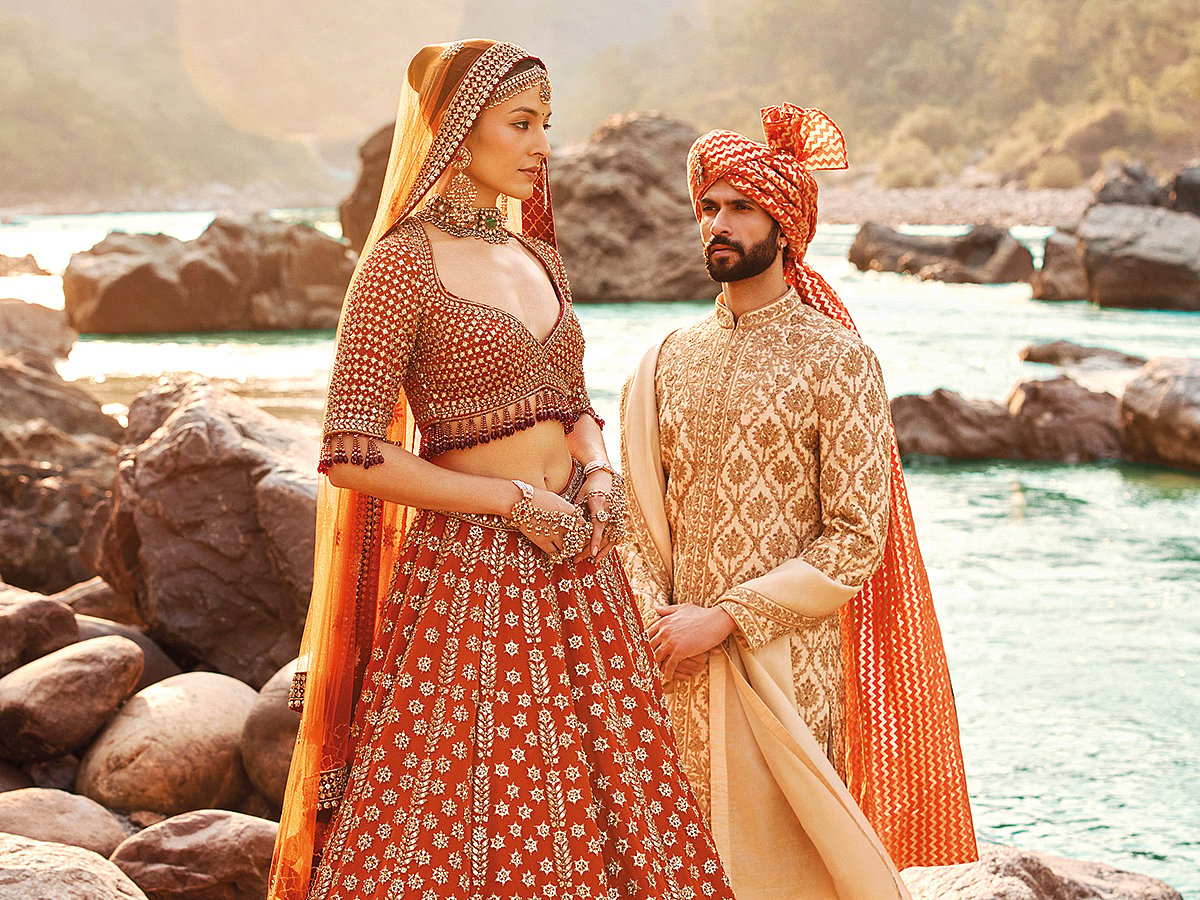
Nitika Gujral
Big trends this year: Gujral recommends colourful haldi and mehendi outfits, glamorous lehengas, gowns or fusion looks for the sangeet and reception, alongside the main bridal ensemble. Suits, traditional and pre-draped sarees, and fusion occasionwear prepare brides for subsequent welcome parties.
Tradition and personal style: Brides favour traditional wedding colours and outfits with modern cuts. Gujral combines Indian artisanal heritage with contemporary styling and lightweight construction, even in ornately embellished lehengas. “Each bride should be able to make her outfit uniquely her own,” she says, offering close collaboration and customisation.
The appeal of lighter outfits: Movement matters throughout the celebrations. “They want to be able to twirl and dance and mingle with their guests and friends,” Gujral says, extending that consideration to future gatherings.
Advice to brides: Changing an outfit component or its accessories creates fresh styling possibilities. Gujral offers guidance during trousseau purchases and welcomes brides back for restyling. “We believe in nurturing and sustaining relationships,” she says.
Niti Bothra
Tradition and personal style: Family motifs, colours and embroidery remain meaningful, with pre-draped sarees, corseted blouses and lighter kalidaars offering comfort. Her Zar collection carries traditional handwork across jackets, bustiers, flared trousers and shararas.
Pieces to wear again: The Zar Blue Long Jacket Set offers pieces that work independently, giving brides freedom to move and dance. Its jacket pairs with simpler trousers or a skirt; the bustier invites fresh styling.
Advice to brides: Prioritise silhouette, colour and separates, choosing jewel tones, ivory and classic festive shades. Restyle jackets over sarees, shararas with understated kurtas, and blouses with different sarees. “Can I imagine myself wanting to wear this again in five years?”
Jigar Shah and Nikita Murarka Shah, Jigar & Nikita
Big trends this year: The designers recommend a bridal lehenga, reception or cocktail outfit, versatile saree or draped silhouette, lighter festive separates and tailored occasionwear. “Comfort has become an important part of luxury too,” they say, as brides prioritise movement and dancing.
Tradition and personal style: Classic colours and embroidery find fresh expression through contemporary corsets, unconventional drapes and personalised palettes, giving family traditions an individual interpretation.
The appeal of lighter outfits: Multiple events and varied settings encourage versatile choices. “There is also a growing shift towards conscious luxury,” they say, with quality craftsmanship and opportunities for restyling influencing purchases.
Advice to brides: Consider timeless silhouettes, adaptable colours, fabric and weight. Blouses can accompany sarees, skirts take different tops, and dupattas refresh simpler outfits. “The best investment is something that still feels like you years later,” they say, encouraging purchases that evolve with a bride’s wardrobe.
Ashna Vaswani, Ashna Vaswani Couture
Big trends this year: Vaswani recommends lehengas, sarees, lighter festive outfits and versatile separates, complemented by statement pieces. Her signature armour introduces architectural structure, becoming an outfit’s focal point with minimal embellishment elsewhere.
Tradition and personal style: Contemporary fabrics, cuts, accessories and styling update ceremonial silhouettes, while comfort allows brides to move freely. The armour draws on Indian craftsmanship. “It allows a bride to retain the grandeur associated with bridal dressing while expressing her individuality,” she says.
The appeal of repeatable outfits: Destination celebrations, intimate functions, cocktails and after-parties demand adaptable clothes. Armour can transform a saree, dress or structured ensemble.
Advice to brides: Devi Drape denim blazers and hand-painted jackets work with Indian separates, trousers, skirts and dresses. Gold silk crush jacquard skirts and jacquard waistcoats offer coordinated looks and independent styling options. “For me, modern bridal luxury is about investing in pieces that have craftsmanship, individuality and longevity,” Vaswani says.
Gopi Vaid
Big trends this year: Lightweight, flared lehengas feature gota patti or mirror work, while sharara and palazzo sets bring movement to mehendis and sangeets. Breathable Chanderi and cotton-silk kurtas in jewel tones or pastels suit intimate rituals and dinners; pre-draped sarees offer convenience for cocktails.
Tradition and personal style: Zardozi, marodi and gota patti retain their place as construction adapts to individual preferences. “Comfort is no longer an afterthought; it is integrated directly into the design,” Vaid says.
The appeal of repeatable outfits: Multiple destinations, long celebrations and energetic events encourage lighter dressing. “Brides and wedding guests alike are moving toward conscious luxury,” Vaid says, favouring smart tailoring, fluid textures and separates with future styling possibilities.
Advice to brides: Consider longevity, artisanal quality and versatility. Pair a blouse with a simple saree or a lehenga skirt with a white shirt or kurta. Breathable, durable fabrics and manageable care requirements help keep these pieces in regular use across seasons and anniversaries.
Zohaib Qadeer, Zohaib Qadeer Couture
Big trends this year: Qadeer recommends a bridal lehenga, peshwas, sharara or contemporary silhouette, followed by one or two distinctive formals. Sarees, ghararas, long shirts and modern couture offer variety, with versatile festive pieces completing the clothing selection. Dupattas, jewellery, timeless shoes, an evening clutch and personal accessories expand styling possibilities.
Tradition and personal style: Brides reinterpret heritage techniques, fabrics and silhouettes through lighter embroidery, comfortable cuts, thoughtful layering and natural styling. “She takes what she loves from her heritage and makes it her own,” he says.
The appeal of repeatable outfits: Longer, varied celebrations encourage luxurious clothes that allow movement. “A beautiful outfit shouldn’t have to live in a wardrobe after one night,” Qadeer says.
Advice to brides: Choose favourite colours, meaningful craftsmanship and adaptable silhouettes. A different blouse or shirt, jewellery or a dupatta can refresh an outfit. “Will I still love this, years from now?” he asks, making lasting affection central to the investment.
Kalighata
Big trends this year: Emerald, sapphire navy, plum, wine and midnight blue offer alternatives to red, with heavy embroidery creating impact under evening lighting. “A modern complete bridal trousseau balances heritage traditional wear with versatile, re-wearable contemporary pieces,” the label says.
Tradition and personal style: Heritage pieces meet contemporary choices, with physical comfort and open conversations with family helping brides establish their preferences.
The appeal of lighter outfits: Multi-day weddings encourage mobility, sustainability and better cost-per-wear. Modular skirts, corsets and two-piece outfits offer restyling options; silk trousers, slip dresses and blazers suit after-parties. Organza, georgette and lightweight silks support movement. Shortening hemlines, dyeing garments and converting dupattas into jackets extend their use.
Advice to brides: “A bride should focus on modular separates,” the label says. Choose ivory, champagne, blush or deep formal shades, quality artisanal fabrics and simple waistbands. Avoid oversized bridal motifs; pair skirts with silk shirts and blouses with sarees. Layerable Kundan, Polki or temple jewellery, versatile earrings, gold and diamonds complete the wardrobe.
Aakansha Miharia, KIKI Calcutta
Big trends this year: Vibrant reds suit morning rituals, while dramatic blues bring depth to evening dressing. Miharia recommends a crafted handloom saree, a corset cape set and statement separates as the foundation of a versatile bridal wardrobe.
Tradition and personal style: Layering allows brides to adjust an outfit’s formality and traditional character. “For us, luxury lies in this versatility,” Miharia says, emphasising craftsmanship, ease and individual expression.
The appeal of repeatable outfits: Lighter separates offer longevity across weddings, intimate gatherings and festive occasions. A skirt takes a different blouse; a detailed jacket transforms a simpler outfit. “The modern bride is investing in pieces that offer longevity beyond a single celebration,” she says.
Advice to brides: Choose an eclectic wardrobe with scope for layering and reinterpretation. A structured corset works with draped and pencil skirts, while a statement dress gains formality beneath a jacket or cape for lunch and becomes vacation wear when worn alone.
Varun Bahl
Big trends this year: Bahl proposes three categories: main wedding outfits, lighter pieces for smaller celebrations and adaptable garments for later use. Well-cut jackets, distinctive blouses, lighter lehengas, sarees and separates can complement an existing wardrobe.
Tradition and personal style: A culturally significant red lehenga can take a cleaner silhouette or contemporary blouse, while weight and construction accommodate long celebrations. “Good design should take the wearer into consideration,” he says.
The appeal of repeatable outfits: Varied events require different levels of dressing, and brides increasingly assess the value of purchases. Jewellery, accessories and styling refresh familiar garments. “You can therefore create a different look without having to buy an entirely new outfit,” Bahl says.
Advice to brides: Examine fabric quality, construction and compatibility with personal style. Consider blouses with other sarees, jackets with trousers and lehengas as separates. Elaborate embellishment needs styling flexibility. “A strong piece usually has some flexibility in how it can be worn,” he says.
Smita Shrinivas
Big trends this year: Shrinivas recommends a bridal lehenga, an elegant reception or cocktail outfit, a versatile saree and lighter separates with multiple styling possibilities. “The idea is to build a wardrobe, not just a wedding wardrobe,” she says, placing personal taste at the centre of each purchase.
Tradition and personal style: Meaningful family rituals, colours and silhouettes remain influential, while contemporary fabrics, cuts and styling allow brides to interpret that inheritance comfortably and confidently.
The appeal of repeatable outfits: “There’s a shift from occasion dressing to conscious dressing,” Shrinivas says. Lighter garments offer freedom to move, travel and celebrate, with opportunities for restyling extending their value beyond the wedding evening.
Advice to brides: Assess silhouette, fabric, colour and craftsmanship, choosing pieces with a distinctive design identity. A different blouse, jewellery, layering or styling can give an outfit fresh relevance. “The most special pieces are the ones that continue to tell your story long after the wedding is over,” she says.
Sonaakshi Raaj Merani
Big trends this year: Merani recommends a beautiful sari, a timeless lehenga, a contemporary drape or sari-gown, and versatile separates that can be mixed and matched. Longevity guides the selection, with each piece offering possibilities beyond the wedding celebrations.
Tradition and personal style: Brides preserve the sentiment of inherited textiles, jewellery and craftsmanship through lighter, contemporary silhouettes. “Tradition feels most beautiful when it still allows the bride to feel like herself,” she says.
The appeal of repeatable outfits: Exceptional craftsmanship and visual impact remain priorities, alongside freedom to move and celebrate. “The new luxury is versatility,” Merani says, reflecting brides’ interest in wearing treasured purchases repeatedly.
Advice to brides: Choose timeless shapes and separates with scope for reinvention. Corsets, statement blouses, jackets, saris and contemporary drapes should adapt to different styling years later, extending their usefulness as personal tastes evolve. “Will I still be excited to wear this five years from now?” she encourages brides to ask.
Varsha Agarwal and Rittu Agarwal, AWIGNA
Big trends this year: The pair favour timeless sarees, statement pieces and separates that can be mixed and matched. “Every piece should have longevity,” Varsha and Rittu say, describing a wardrobe shaped by individual preferences and opportunities to style each purchase differently.
Tradition and personal style: They view bridal dressing as an extension of women’s longstanding experience of balancing family expectations and different roles. Meaningful traditions sit alongside comfort, practicality and clothes that feel authentic to the wearer.
The appeal of repeatable outfits: Brides increasingly seek adaptable purchases that serve different occasions and remain useful after the celebrations. “It’s about making thoughtful choices that offer both ease and longevity,” they say.
Advice to brides: Assess classic silhouettes, versatile colours and detailing that allows fresh styling across occasions. “Comfort and quality are equally important,” Varsha and Rittu say, particularly for garments intended for repeated wear. Personal taste should guide the selection, helping clothes retain their appeal long after the wedding.
Shivani Duggal
Big trends this year: Duggal recommends an heirloom lehenga or saree, a versatile kurta or sharara, a statement dupatta, elegant eveningwear and jewellery suitable for later occasions. “I would always include at least one outfit that feels timeless,” she says, emphasising its relevance beyond the wedding.
Tradition and personal style: Brides increasingly define their choices, preserving family textiles and cultural connections while considering whether they can sit, move and dance comfortably. Colour, drape, embroidery and styling give traditional crafts an individual expression.
The appeal of repeatable outfits: “There is a shift towards buying with intention,” Duggal says. Longer, often intimate celebrations encourage lighter dressing, with different dupattas, jewellery, jackets or contemporary separates refreshing outfits for subsequent occasions.
Advice to brides: Consider fabric, craftsmanship, colour and silhouette, particularly Indian textiles and handcrafts that retain character as they age. Choose separable pieces and prioritise skilled workmanship. “A truly special garment should have more than one occasion in its life,” she says.
Naina Nagalia, Mirasa
Big trends this year: Nagalia recommends one special wedding outfit, festive sangeet and reception looks, and lighter clothes for smaller gatherings. A sari, a well-cut suit or set, and versatile separates complete the selection. “The right mix depends on the bride,” she says.
Tradition and personal style: Traditional colours and crafts find expression in comfortable silhouettes. One meaningful heirloom detail can anchor a simpler outfit, while considered fit and sleeves support movement.
The appeal of repeatable outfits: Extended wedding calendars encourage lighter dressing, with thoughtful detailing preserving a sense of occasion. “Brides want pieces that belong to their lives rather than to a single evening,” Nagalia says.
Advice to brides: Assess quality fabrics, flattering fit, lasting details and comfort over several hours. Separates, adaptable dupattas and classic silhouettes offer fresh possibilities through different jewellery. “Think honestly about where you’ll wear each piece next,” she says, making future use part of the purchase decision.
Krisha Sunny Ramani
Big trends this year: Ramani recommends an heirloom lehenga, an elegant saree, a lighter festive ensemble and a contemporary silhouette for intimate occasions. Adaptable blouses, dupattas and skirts add variety. The aim, she says, is a wardrobe that feels “luxurious, personal and timeless”.
Tradition and personal style: Lighter lehengas, comfortable drapes and contemporary blouses reinterpret familiar silhouettes, while personalised embroidery and colours preserve individuality. Freedom to move and celebrate remains central to these choices.
The appeal of repeatable outfits: Lighter pieces suit intimate functions, destination celebrations and subsequent festivities. An embroidered blouse pairs with another saree, a lehenga skirt takes a contemporary top, and a dupatta refreshes existing clothes.
Advice to brides: “Will I still love this piece five years from now?” Ramani encourages brides to ask. Choose timeless colours, exceptional craftsmanship, comfortable shapes and versatile separates. Distinctive detailing should allow different styling possibilities across occasions. “Personal style and beautiful craftsmanship have longevity,” she says, making authentic preferences a guide to purchases that remain treasured.
Swapna Anumolu, Mishru
Big trends this year: Anumolu recommends statement pieces alongside lighter separates, a versatile saree and an elegant kurta or set. “The idea is to build a wardrobe with variety,” she says, with garments offering several ways to dress across occasions.
Tradition and personal style: Brides preserve the craftsmanship and significance of traditional clothing through silhouettes that feel comfortable and natural. Colour, shape and individual styling give that heritage a personal expression.
The appeal of repeatable outfits: “There is a growing shift towards dressing with longevity in mind,” Anumolu says. Lighter garments move from wedding functions to festive gatherings or dinners through changes in styling, encouraging brides to incorporate them into their lives.
Advice to brides: Look for versatile silhouettes, considered embroidery, adaptable colours and separates. A lehenga’s components can be worn independently, creating different looks as the wardrobe develops. “The piece should feel like her beyond the wedding itself,” Anumolu says, placing lasting personal relevance at the centre of each purchase.
Jayanti Reddy
Big trends this year: Reddy recommends a bridal saree or lehenga, an heirloom piece, lighter outfits for intimate celebrations and versatile separates. Crafted blouses, a transformative dupatta and elegant festive clothes prepare brides for occasions after the wedding.
Tradition and personal style: Textiles, embroidery, drapes and heirloom silhouettes preserve family traditions, while lighter fabrics, contemporary cuts and relaxed styling offer individuality. The Khada Dupatta exemplifies this approach, retaining meaning through a softer interpretation.
The appeal of repeatable outfits: Expansive wedding calendars require different moods of dressing. Lighter silks, organza, fluid drapes and easier silhouettes provide richness with freedom to move. “Ease and practicality are luxuries too,” Reddy says.
Advice to brides: “I always believe in creating classics rather than chasing trends,” she says. Prioritise timeless shapes, beautiful textiles and enduring craftsmanship. Sarees, embroidered blouses, adaptable dupattas and lighter lehengas gain fresh possibilities through different jewellery, blouses or draping. Choose distinctive pieces with relevance across occasions, allowing them to remain in regular use.
Sheetal Batra
Big trends this year: Batra recommends a personal bridal ensemble, statement looks for larger celebrations and lighter festive pieces. Crafted separates and dupattas offer scope for reinterpretation, creating a balanced wardrobe with lasting relevance.
Tradition and personal style: Brides retain the emotion, symbolism and craftsmanship of Indian dressing while assessing fabrics, silhouettes and detailing for movement. Colour, proportion, jewellery and styling express individual preferences. “The bride gets to decide how she interprets it,” Batra says.
The appeal of repeatable outfits: Restyling, layering and different dupattas or jewellery give lighter pieces fresh uses. Fine embroidery and beautiful textiles deliver richness with comfort. “There is also something very luxurious about ease,” she says.
Advice to brides: Consider timeless silhouettes, colour, workmanship and styling potential. An embroidered kurta takes another dupatta; jackets refresh simpler outfits; accessories change festive looks. “I would also choose craftsmanship over a passing trend,” Batra says, encouraging purchases that remain beautiful and personal through years of wear.
Saumya Modi and Bhavini Modi, Mulmul
Big trends this year: The pair recommend “one statement piece and a few timeless classics”. Expressive lehengas or festive kurta sets sit alongside elegant colours, flattering shapes and adaptable fabrics. Exploring different designs helps brides establish their preferences.
Tradition and personal style: Colour, fabric, proportion and styling reinterpret traditional silhouettes. Considered detailing and unrestricted movement accommodate hours of ceremonies, travel and celebrations while preserving the occasion’s sentiment.
The appeal of repeatable outfits: Lighter fabrics and versatile shapes encourage repeated wear. Jewellery and dupattas dress pieces up; simpler styling suits dinners and intimate gatherings. “When a woman genuinely enjoys wearing something, she is far more likely to return to it,” they say.
Advice to brides: Choose quality fabrics, timeless cuts and adaptable components. The Talai Cupro Satin Fuchsia Lehenga Set’s short kurta and fluid skirt offer separate styling possibilities; the Zuri Cupro Satin Lime Kurta With Farshi Salwar suits varied occasions. Ask, “Can I imagine myself reaching for this again?”
Sign up for the Daily Briefing
Get the latest news and updates straight to your inbox
Network Links
GN StoreDownload our app
© Al Nisr Publishing LLC 2026. All rights reserved.