Aisle to Dance Floor: How bridal gowns are designed for comfort and elegance
Jessy Rebekah on finding wedding dress that reflects the bride’s style to feel herself in
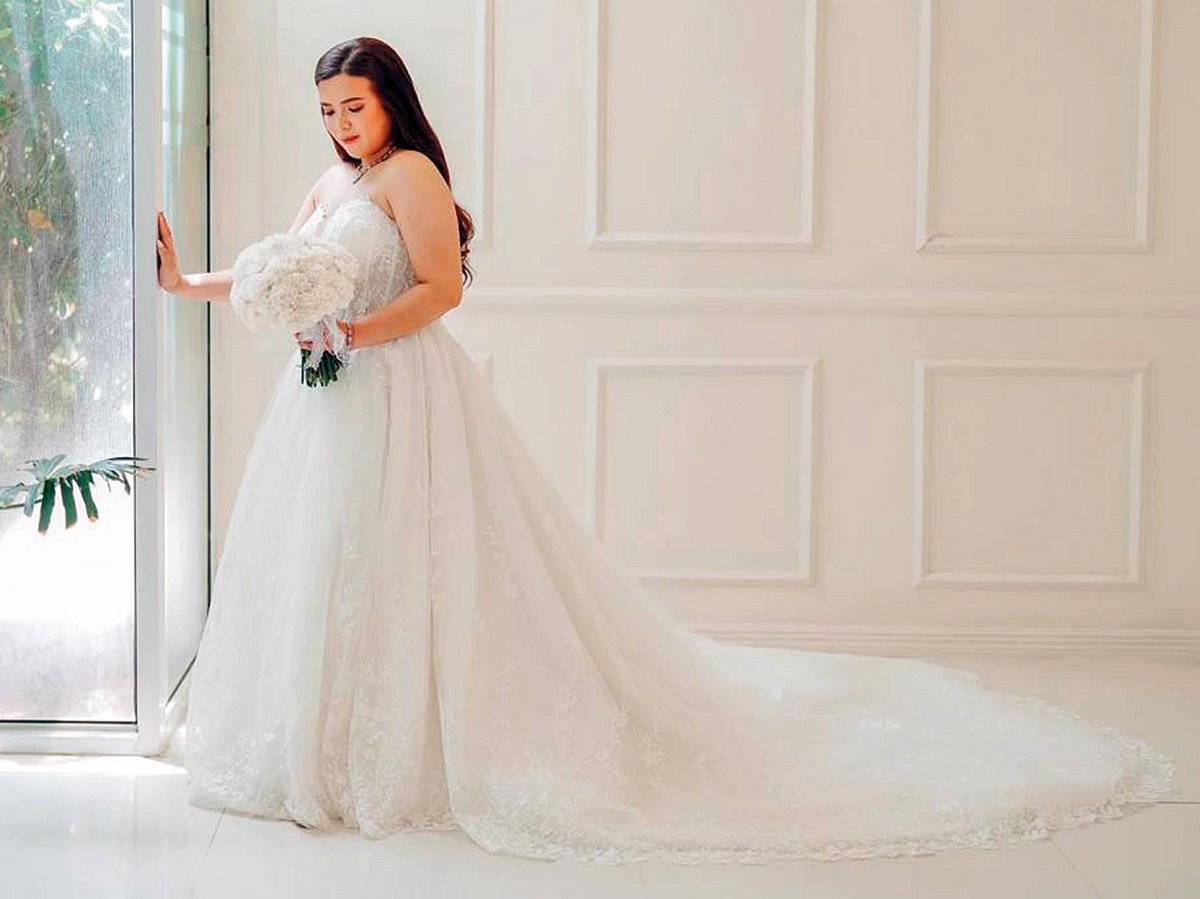
A wedding dress has to survive the day its photograph promises: the walk down the aisle, the embrace of a relative, hours at a table and the first ambitious turn on the dance floor. Jessy Rebekah, co-founder and managing director of Rebekah’s Bridal and occasion wear, keeps those demands close when helping a woman choose her gown. In her account of the fitting room, the bride’s ease becomes part of the design, as essential as the neckline or the fall of a skirt.
The consultation begins before anyone reaches for a hanger. An appointment form and a phone conversation establish the wedding plans, preferred silhouettes, personal style and how the bride hopes to feel. A stylist uses that information to prepare gowns for her arrival. The collection includes Maggie Sottero, Rebecca Ingram and Sottero & Midgley, alongside the house label, Jessy Rebekah, and custom-made dresses.
A saved photograph gives the conversation somewhere to begin. Trying on the dress introduces questions the image cannot answer, about proportion, fit and the place where it will be worn.
“The setting matters just as much,” Jessy says. “A ballroom, a garden lawn, and a beachside ceremony each call for a different approach to skirt volume, flare, and train length.”
A cathedral train needs room to travel; sand and grass can make its weight cumbersome. A more fluid skirt gives a bride freedom outdoors. Her figure, the venue and the practical demands of the celebration all inform the choice.
The work of a fitting
Once a gown is chosen, its relationship with the wearer develops through alterations. A seamstress adjusts its fit, while personal details connect it to the bride’s character, the season and the wedding’s atmosphere. An heirloom or symbolic accessory can hold a meaning understood most fully by the woman wearing it.
Jessy describes recognition through small physical changes. “You can see it happen: she stands a little taller, moves without effort, and stops tugging at the fabric or second-guessing her decision. Confidence shows up in the body before she says a word.”
The details surrounding that fit have considerable expressive power. High and bateau necklines lend formality; a plunging V brings a stronger fashion statement. Sweetheart and off-the-shoulder shapes soften the look, while a structured square neckline gives it definition.
Crepe and smooth satin create a clean line. Tulle and organza bring volume and movement, and lace changes character with its pattern and scale, from delicate to vintage-inspired or bohemian. A cathedral veil adds ceremony to a simple gown; a raw edge keeps the finish spare. Pearls, embroidery and lace introduce further detail, with jewellery completing the composition.
Room to celebrate
For a Dubai wedding with distinct ceremony and reception plans, Jessy starts with the aisle dress, taking account of tradition, formality and venue. The evening can invite a mini, bridal separates, a slit or a jumpsuit, with enough room to dance and mingle. A change from lace to satin, sparkle or feathers can retain a connection through the bride’s taste.
Convertible construction also allows a single dress to accommodate both occasions. Sleeves, capes, jackets, overskirts and trains can be removed as the celebration progresses. One studio transformation turns a full-length mermaid gown into a short fitted reception dress through a detachable skirt secured with a concealed zip.
Such ingenuity reflects a shift that Jessy sees towards lighter fabrics, easier construction and greater attention to comfort. The fitting becomes a rehearsal for wearing the gown over many hours.
“Through clever construction and thoughtful alterations, we’ve created gowns that offer two completely different looks in one,” she says.
Brides are encouraged to walk, sit and turn. Tailoring should provide support and security while allowing comfortable breathing and movement.
The bride’s own voice
Preparation helps the first appointment: seamless nude underwear, intended shapewear, shoes of roughly the planned heel height and a hair clip. A strapless or low-back bra may help, depending on the gown’s internal support. Bring inspiration, styles you dislike, sentimental accessories and an idea of venue, season and budget. Heavy makeup, fresh fake tan and body lotion can mark delicate fabrics.
Company deserves equal thought. Jessy recommends one to three supportive people and a selection of two or three boutiques. Family opinions, group chats and endless scrolling can make a decision increasingly difficult. Revisiting a favourite dress alone can give a bride space to hear herself.
“There is no correct emotional response,” Jessy says. “Some brides-to-be cry, others smile, some become very quiet, and some simply look in the mirror and feel completely comfortable and confident.”
That freedom to respond in her own way feels central to Jessy’s approach. A bride can take her time, move around and let the dress become familiar, until choosing it feels like a decision she has made for herself.
Sign up for the Daily Briefing
Get the latest news and updates straight to your inbox
Network Links
GN StoreDownload our app
© Al Nisr Publishing LLC 2026. All rights reserved.