Milk with a solid twist: the many uses of yoghurt
The building block of tandoori marinades, creamy lassis and raithas, yoghurt is versatile
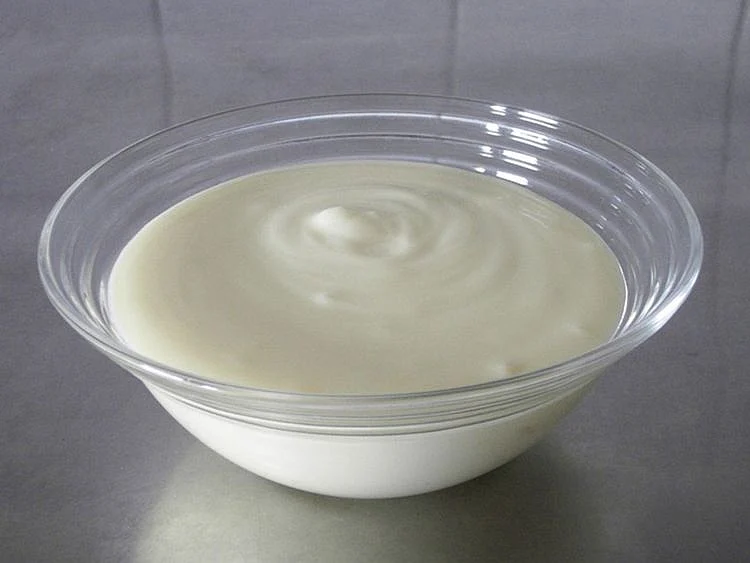
Walking down the dairy section of the supermarket, a yoghurt aficionado finds plenty to choose from.
Among the multitude of flavoured yoghurts with varying percentages of fat, some have toppings, others have preserves at the bottom, still others can be sipped from a plastic bottle.
Yet, all this variety leaves old-world yoghurt lovers wanting more.
Plain yoghurt, pure as snow and without additives — that is the prize some people crave.
Traditionalists value pristine yoghurt for its delicate tanginess, a subtle flavour often masked in commercial varieties of this dairy product.
The origin
The name yoghurt comes from the Turkish word for milk that has fermented into a tart, semisolid mass.
Culinary lore has it that milk — probably from goat or sheep — stored in an animal skin bag, transformed into this ready-to-eat, custard-like product overnight.
In the United States, yoghurt, by definition, should have at least two species of bacteria — Lactobacillus bulgaricus and Streptococcus thermophilus — in the culture used to ferment milk.
Typically, traditional yoghurts contain at least half a dozen different friendly bacterial strains.
Myriad microbes feast on lactose, the sugar found in milk, and convert it to lactic acid, which makes yoghurt slightly tart.
“It's true that some yoghurts taste more delicious than others,'' says David Fankhauser, a biology professor at the University of Cincinnati Clermont College.
A yoghurt lover himself, he once stopped at an island in the Bosphorus Strait in Turkey to sample ayran, a refreshing local drink made of yoghurt.
The taste of ethnic yoghurts varies slightly even before they are transformed into signature dishes and drinks.
This difference in taste is largely due to the diversity of bacterial flora present in any given kind of yoghurt, says Patricia Christie, who teaches a class called Kitchen Chemistry at the Massachusetts Institute of Technology in Cambridge, Massachusetts.
Each yoghurt has its own characteristic aroma and texture as well.
Middle Eastern countries have two kinds of yoghurt — laban and the strained version lebany.
“Straining gets rid of the liquid which makes yoghurt acidic and this heavier version is more flavourful,'' says Arpiar Afarian of Kalustyan's, a specialty grocery store in New York.
Three decades ago, few in New York had heard of lebany — a yoghurt so dense, you can almost cut it with a knife.
Olive oil and a dash of fragrant zaatar spices make this yoghurt a good dip for pita bread, says Afarian.
Dressed with cucumber and garlic, lebany makes an excellent appetiser.
In the Indian subcontinent, yoghurt — referred to as curd — is widely used as a dressing in raithas, a marinade for tandoori meats and as a base for gravylike kadis.
“Low-fat yoghurt is a good substitute for heavy cream in vegetable or meat dishes cooked makhani-style — in a rich buttery sauce,'' says Pushpinder Bhetia of Guru the Caterer in Somerville, Massachusetts.
Wide use of curds
Smoothie-like lassi, served in Indian restaurants worldwide, is yoghurt blended with fruits.
In villages, a similar welcome beverage of beaten yoghurt is stored in cool earthenware pots.
Curd rice, a soothing mixture of rice and creamy yoghurt, is like a blessing in the fiercely hot summers of south India.
Piquant regional specialties call for sour curds, but originally these dishes were probably just innovations to use up yoghurt that had been left on the tropical kitchen counter for too long.
South Asians sometimes prefer to make yoghurt at home. Indira Singari, a Seattle food blogger, boils milk, cools it and adds a spoonful of culture to make her own.
Crossover versions
Northern Europe has many fermented milk products, but technically they are not yoghurts. “They involve very different microbes,'' Fankhauser says.
The case is the same with kefir, a fermented drink, ubiquitous in many countries that were part of the former Soviet Union.
Iceland, however, has a low-fat strained yoghurt, skyr, that is now marketed by Whole Foods.
Greek yoghurt, or giaurti, is a good example of a crossover yogurt. “There are few things which taste so good that are actually good for you,'' says Ann Graham Nichols, a food blogger from East Lansing, Michigan, who is enraptured by the taste of this chunky yoghurt.
As more people look to avoid sugary foods, ethnic yoghurts could step up to the plate.
Some do take getting used to because they are not overly sweetened as their American counterparts are.
“But American palates are becoming more and more aware of the benefits of just plain old yoghurt,'' Christie says.
Recipe
Fried eggplant in yoghurt
- 2 eggplants, medium size
- Oil, enough for frying
- 3 cloves garlic, sliced lengthwise
- 1-1/2 cups yoghurt, plain
- Salt to taste
- Cayenne pepper to taste
- 1/4 cup cilantro, chopped
Cut the eggplants into thin round slices, less than an inch thick. You can slice the rounds in half depending on the size of the eggplant.
Pan-fry the eggplant slices in oil on each side until browned, adding some salt.
Remove the crisp slices and place on paper towels to remove excess oil. Allow to cool.
Lightly fry the garlic pieces in the same pan. Remove any extra oil.
Season the yoghurt with salt and cayenne pepper, and add the sliced, fried garlic.
In a flat glass dish, add one-third of the seasoned yoghurt and then layer with half of the eggplant slices.
Add the next layer of yoghurt and arrange the other layer of eggplants.
Top off with a final layer of yoghurt and garnish with cilantro leaves. Cover and chill for one hour. Servings: 4
Recipe
Mango lassi
- 1/2 tsp saffron
- 1/2 cup mango fruit pulp (optional)
- 3 cups yoghurt, low-fat
- 1 tsp cardamom, ground
- 1/2 cup ice, crushed
- Sweetener (honey, sugar or any sugar substitute)
In a small cup, add boiling water to cover the saffron threads and set aside for 20 minutes until the saffron is ready to yield its rich gold colour to the lassi.
Canned mango pulp is available in South Asian grocery stores and is already sweetened.
Chunks of frozen mango will work well, too, though the fruit flavour may not be as intense.
Fresh skinned, very ripe mangoes can be also used. Purée them first to get half a cup of pulp in the blender.
Add all the ingredients to a blender along with half a cup of crushed ice.
Blend well till the liquid mixture becomes light and frothy. Add some water if necessary. This drink is easier to pour than an average smoothie.
Sweeten to taste. It can be refrigerated for up to four hours. If you leave it much longer, the drink will look curdled, although the taste will not be altered significantly. Serve chilled.
Servings: 3
Sign up for the Daily Briefing
Get the latest news and updates straight to your inbox
Network Links
GN StoreDownload our app
© Al Nisr Publishing LLC 2026. All rights reserved.