Schengen biometric checks may be paused at airport queues: What UAE travellers must know
System applies at first point of entry into Schengen area, designed to track overstays
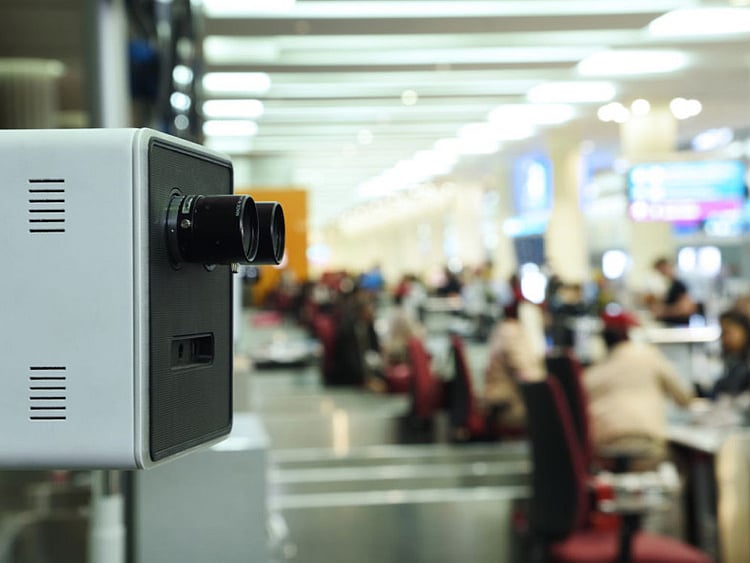
Dubai: Schengen border authorities can temporarily ease biometric checks under the EU’s Entry/Exit System (EES) when congestion becomes severe, as the framework allows member states to reduce or suspend certain procedures to prevent excessive queues, according to Reuters and guidance cited by airport operators.
Get updated faster and for FREE: Download the Gulf News app now - simply click here.
The EES, which became fully operational on April 10, 2026, replaces manual passport stamping with a digital system that records entries and exits of non-EU nationals using biometric data, including fingerprints and facial images, according to the European Commission. The system applies at the first point of entry into the Schengen area and is designed to track overstays and strengthen border controls.
Under the framework, border authorities retain discretion to scale back biometric enrolment in exceptional circumstances, particularly when passenger flows risk overwhelming airport infrastructure. Reuters reported that such contingency measures were built into the rollout to avoid operational disruptions during peak travel periods, especially at major European hubs already under pressure from high passenger volumes.
How this affects UAE fliers
For UAE travellers, the changes affect how border checks are processed rather than the rules governing entry. Emirati passport holders continue to benefit from visa-free travel to the Schengen area for stays of up to 90 days within any 180-day period, while residents holding passports that require visas must still complete the standard Schengen application process. The EES does not alter stay limits but digitises how compliance is monitored.
Airports and airlines have warned that processing times may remain uneven in the early stages of implementation. Industry groups, including Airports Council International (ACI Europe), have flagged concerns about longer queues as biometric systems scale up, particularly during peak travel seasons. UK government travel guidance similarly notes that non-EU travellers may need to allow additional time for border formalities under the new system.
Despite the flexibility, authorities stress that any easing of checks is "temporary" and "situational". The EES database continues to record traveller movements, even if certain biometric steps are deferred. The European Commission has said the system remains central to the EU’s broader border modernisation strategy.
The next phase of that strategy is the European Travel Information and Authorisation System (ETIAS), expected to launch in late 2026. Once introduced, visa-exempt travellers, including UAE nationals, will need to obtain pre-travel authorisation before entering Schengen countries, adding another digital layer to border controls.

Sign up for the Daily Briefing
Get the latest news and updates straight to your inbox
Network Links
GN StoreDownload our app
© Al Nisr Publishing LLC 2026. All rights reserved.