Why cars from BMW, Mercedes and Volkswagen could soon cost less in India
India plans steep EU car tariff cuts, reshaping prices in the world’s third-largest market
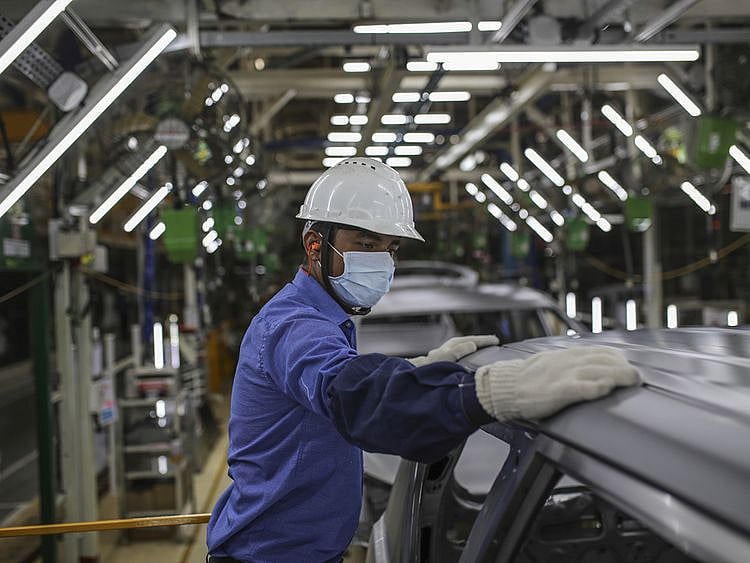
Dubai: India is preparing to cut import tariffs on cars from the European Union, a move that would mark the country’s most significant opening of its tightly protected auto market and reshape pricing dynamics for buyers. The plan comes as New Delhi and Brussels close in on a long-awaited free trade agreement that could be announced as early as Tuesday, according to a Reuters report.
Under the proposal, India would slash duties on a limited number of European-made cars to 40% from current levels that run as high as 110%. Over time, that rate would be reduced further to 10%, easing access to a market long criticised by global automakers for its steep barriers.
A break from decades of protection
The initial cut would apply to cars imported from the 27-nation EU bloc with an import price above 15,000 euros, sources briefed on the talks told Reuters. The government has agreed to reduce tariffs immediately on a capped number of vehicles, with further cuts phased in later.
India currently levies import duties of 70% and 110% on foreign cars, among the highest in the world. Those rates have drawn repeated criticism from industry leaders, including Tesla chief Elon Musk, who has cited tariffs as a key obstacle to entering the market.
The proposed changes would represent the boldest step yet by Prime Minister Narendra Modi’s government to open the sector, which has traditionally been shielded to protect domestic manufacturers.
Trade pact talks reach the finish line
India and the EU are expected to announce the conclusion of negotiations on what has already been dubbed “the mother of all deals”. Once announced, the agreement would move to the finalisation and ratification stages.
Beyond automobiles, the pact could significantly expand bilateral trade and provide relief for Indian exporters of goods such as textiles and jewellery, which have faced 50% US tariffs since late August.
Officials from India’s commerce ministry and the European Commission declined to comment, while the sources requested anonymity due to the confidential nature of the talks and the possibility of last-minute changes.
Also Read
Europe on cusp of 'mother of all deals’ with India, says Ursula von der LeyenIndia and EU seek closer ties with 'mother of all deals'India's GST reforms can counter growth hit from US's 50% tariffsWhat changes for car buyers and brands
New Delhi has proposed cutting import duties to 40% immediately on about 200,000 combustion-engine cars a year. That quota could still be adjusted before the final announcement.
Battery electric vehicles would be excluded from these reductions for the first five years to protect domestic investments by players such as Tata Motors and Mahindra & Mahindra in the early-stage EV market. EVs would follow a similar duty-cut path after that period.
Lower tariffs would allow European automakers to price imported vehicles more competitively and test broader model ranges before committing to deeper local manufacturing, one source told Reuters.
A market primed for change
India is the world’s third-largest car market after the US and China, with annual sales of about 4.4 million vehicles. Japanese carmaker Suzuki dominates the market, while local brands Tata and Mahindra together control roughly two-thirds of sales. European automakers currently hold less than 4%.
Growth potential remains substantial. The market is expected to expand to 6 million units a year by 2030, prompting renewed investment interest. Renault is reworking its India strategy to drive growth outside Europe, while Volkswagen Group is preparing the next phase of investment through its Skoda brand.
Lower import tariffs could alter competitive dynamics, broaden consumer choice, and gradually push prices down at the premium end of the market. India’s auto sector may soon look far more open than it has at any point in recent history.

Sign up for the Daily Briefing
Get the latest news and updates straight to your inbox
Network Links
GN StoreDownload our app
© Al Nisr Publishing LLC 2026. All rights reserved.