As Iran war rages on, high shipping costs will hit shoppers worldwide, Maersk chief warns
Global shipping giant says rising fuel and freight costs will reach shoppers
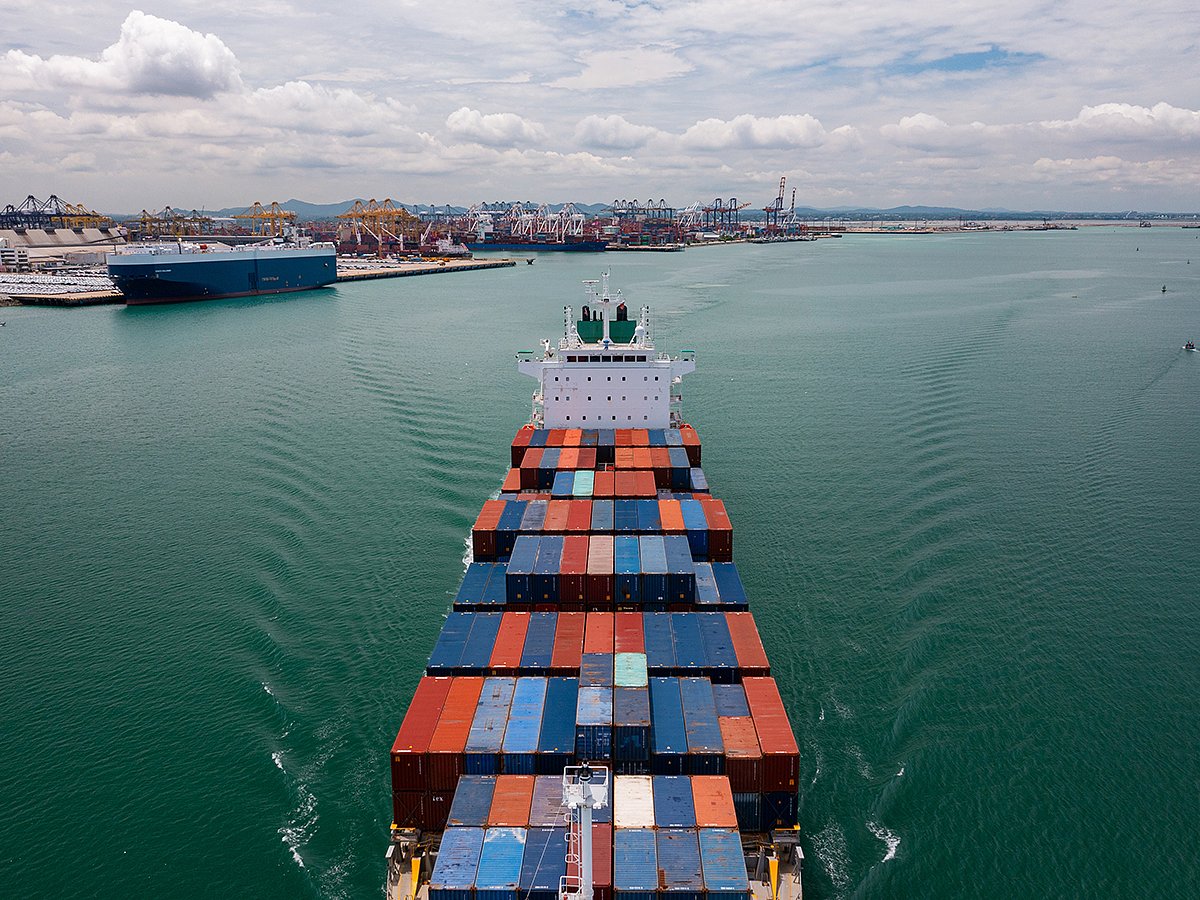
Dubai: Rising shipping costs triggered by the conflict involving Iran are likely to filter through global supply chains and eventually reach consumers, according to the head of one of the world’s largest shipping companies.
Vincent Clerc, chief executive of Maersk, said transport cost increases caused by the war will ultimately be reflected in the prices paid by shoppers.
Speaking in an interview with BBC, Clerc said the company operates a system that automatically passes changes in fuel and logistics costs through to customers.
“So what it means is that ultimately, in this case, these increases will pass to our customers and will pass on to the consumers,” he said.
The warning arrives during a period of heightened disruption in global shipping routes after the outbreak of hostilities involving Iran.
Stay updated: Get the latest faster by downloading the Gulf News app - it's completely free. Click here for Apple or here for Android. You can also find it us on the Huawei AppGallery.
Oil surge raises freight costs
Energy prices have been one of the immediate drivers of higher transport costs. Oil prices briefly surged close to $120 a barrel after the conflict began before easing back. Even after the pullback, crude remains about 20% higher than levels seen before the war.
Fuel is one of the largest operating costs for shipping companies, meaning spikes in oil prices can quickly translate into higher freight rates.
Clerc said the additional costs already facing the industry are substantial.
The increase works out at roughly $200 for a standard 20-foot container, which can translate into a rise of about 15% to 20% in freight charges depending on the route and cargo.
Container shipping plays a central role in the global economy, moving goods ranging from clothing and electronics to toys and household products between continents.
Shipping routes face major disruption
Trade flows across the Middle East have been heavily affected by the conflict. Traffic through the Strait of Hormuz has slowed dramatically after tensions escalated. The narrow waterway normally carries about one fifth of global oil supplies.
Also Read
Tanker traffic collapses in Strait of Hormuz, spiking insurance, fertilizer costs Oil shipping, insurance costs spike as Hormuz tensions test UAE trade routesHow long will Strait of Hormuz tanker crisis keep oil prices rising?Shipping lines have also avoided routes through the Red Sea due to security threats linked to attacks on vessels in the region.
These disruptions have forced companies to reroute vessels along longer and more expensive journeys around the Cape of Good Hope at the southern tip of Africa.
Clerc said the situation has had a major operational impact.
The disruption has made it difficult for many companies to receive regular shipments while creating logistical challenges in regions that depend heavily on imported food. Shipping companies are working to keep essential supplies moving so supermarket shelves remain stocked.
Supply chains under pressure
Alternative transport routes have been used to maintain deliveries, including land transport through trucks and rail connections in some regions. Clerc said these efforts have helped maintain the movement of essential goods even though land transport cannot match the volume handled by large container vessels.
He noted that capacity exists to keep priority shipments moving, although some categories of exports are likely to face delays. Petrochemical exports in particular may have to wait while logistics networks prioritise critical supplies such as food and essential goods.
Calls for diplomatic solution
Governments including the US and France have suggested that naval escorts could help reopen the region’s key shipping lanes.
Clerc said such a measure might provide short term relief but warned that the narrow nature of the Strait of Hormuz makes permanent military protection difficult.
“You’re very close from the Iranian coastline, you don’t have a lot of time to react so you would need a significant presence from the Navy to be able to provide a shield all the way through,” he told the BBC.
“I personally have a hard time seeing that this is the permanent solution to the situation because the traffic is very important and the strait is very narrow.”
Clerc said restoring stable shipping routes ultimately depends on a diplomatic resolution that allows commercial vessels to navigate the region safely.
“Ultimately we need to get back to something where freedom of navigation and peaceful navigation is restored,” he said.
Shipping data indicates the disruption remains severe. More than 130 vessels were reported stuck in the Gulf earlier this week while companies continue to reassess routes in response to the evolving security situation.
The longer the conflict affects major shipping corridors, the greater the risk that higher freight costs will ripple through global supply chains and reach consumers through higher prices for everyday goods.

Sign up for the Daily Briefing
Get the latest news and updates straight to your inbox
Network Links
GN StoreDownload our app
© Al Nisr Publishing LLC 2026. All rights reserved.