Indian rupee hits record low: Dh1 buys a record Rs26 for UAE remitters
The rupee's slide to Rs26 per dirham means Dh10k now converts to about Rs260,000 pre-fees
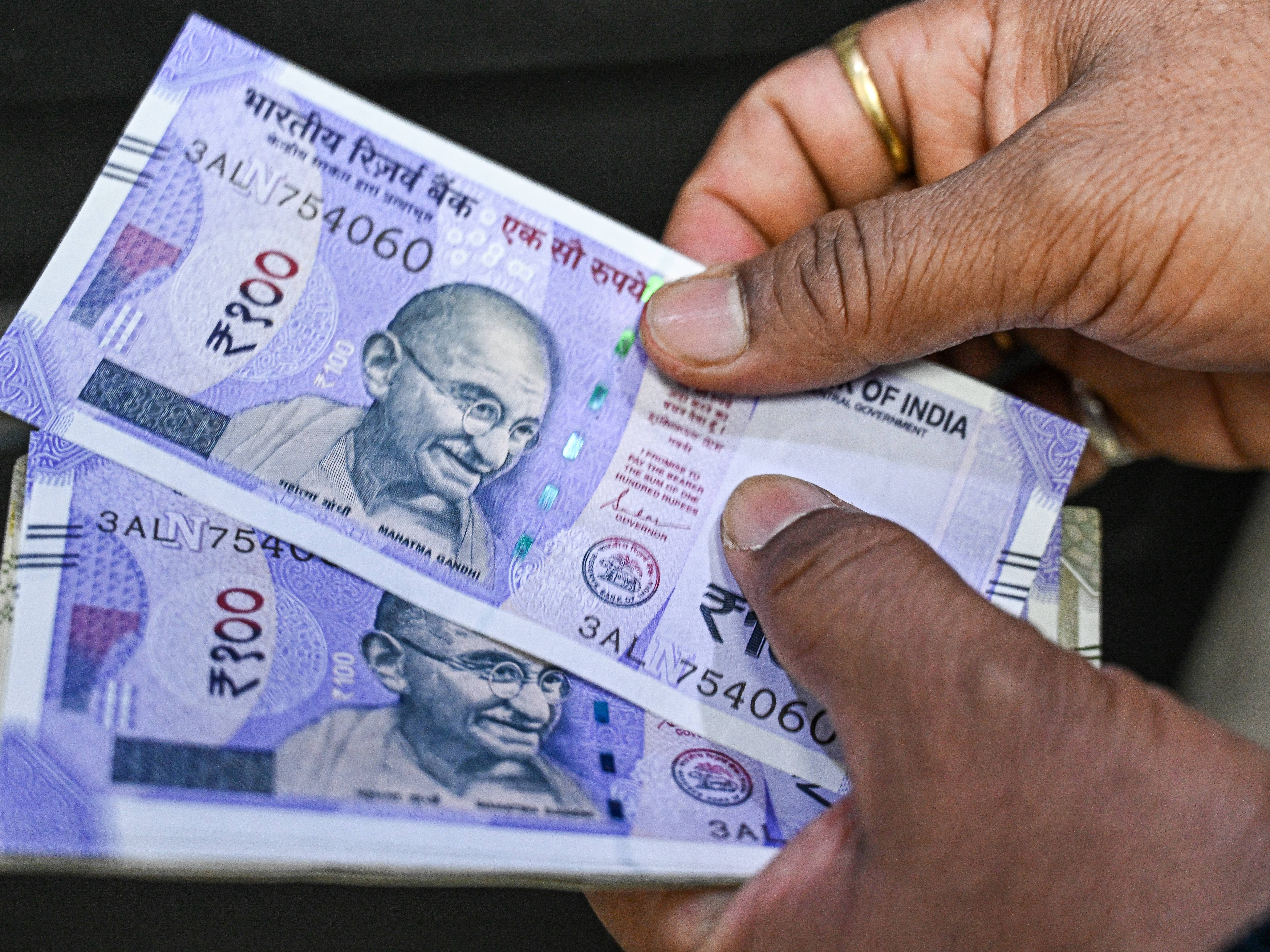
Dubai: The Indian rupee has slipped to a record low against the UAE dirham, giving UAE-based Indian remitters one of their strongest exchange-rate windows in recent weeks.
The rupee weakened to Rs26 against Dh1 on Monday, from Rs25.94 a day earlier, according to the rates on XE.com, as higher oil prices, foreign investor outflows and persistent demand for US dollars weigh on the currency.
For UAE residents sending money to India, the move means Dh10,000 would translate into about Rs260,000, before transfer fees and exchange-house margins.
However, the weaker rupee also reflects broader pressure on India's external accounts, particularly its exposure to imported oil and capital flows.
Rupee's 30-day journey
The rupee has weakened noticeably over the past month, although the move has not been one-way.
On July 26, Dh1 was worth Rs26.16. The rate then strengthened to Rs25.86 by the start of August before falling to a low of Rs25.79 between August 5 and August 9.
It subsequently weakened again, reaching Rs25.97 on August 19 before moving to Rs26 on August 24.
From the July 26 rate of Rs26.16, the latest level is still 16 paise lower, meaning the rupee has not weakened continuously over the full 30-day period. However, compared with the recent August low of Rs25.79, the latest rate represents a 21-paise increase in the number of rupees received for every dirham.
For remitters, that recent move is significant: every Dh10,000 sent at Rs26 would yield Rs2,600 more than at a Rs25.74 exchange rate, before fees and margins.
The rupee is under pressure from higher oil prices, foreign investor outflows and a widening trade deficit, all of which increase demand for US dollars. Recent changes to foreign-exchange liquidity measures have also added to short-term currency pressures.
What it means for UAE remitters
For Indian expatriates in the UAE, a weaker rupee is generally positive when sending money home because each dirham converts into more rupees.
The key consideration for regular remitters is therefore not just the headline exchange rate, but the final payout offered by the transfer provider.
Get updated faster and for FREE: Download the Gulf News app now - simply click here.
Other currencies
The Philippine peso stood at 16.74 per dirham, slightly higher than 16.72 yesterday. The Pakistani rupee was unchanged at 75.65 per dirham, while the Bangladeshi taka was also steady at 33.20.
The Sri Lankan rupee strengthened slightly, with Dh1 buying 89.38 rupees compared with 89.57 yesterday. The Nepalese rupee was unchanged at 41.60, while the Egyptian pound held at 13.65 per dirham.
The British pound was quoted at 0.19 per dirham, unchanged from the previous day's rate.
For UAE remitters, the broader picture is therefore mixed: while the Indian rupee has moved to the Rs26 mark, several other major South Asian currencies tracked here have remained broadly stable against the dirham.

Sign up for the Daily Briefing
Get the latest news and updates straight to your inbox
Network Links
GN StoreDownload our app
© Al Nisr Publishing LLC 2026. All rights reserved.