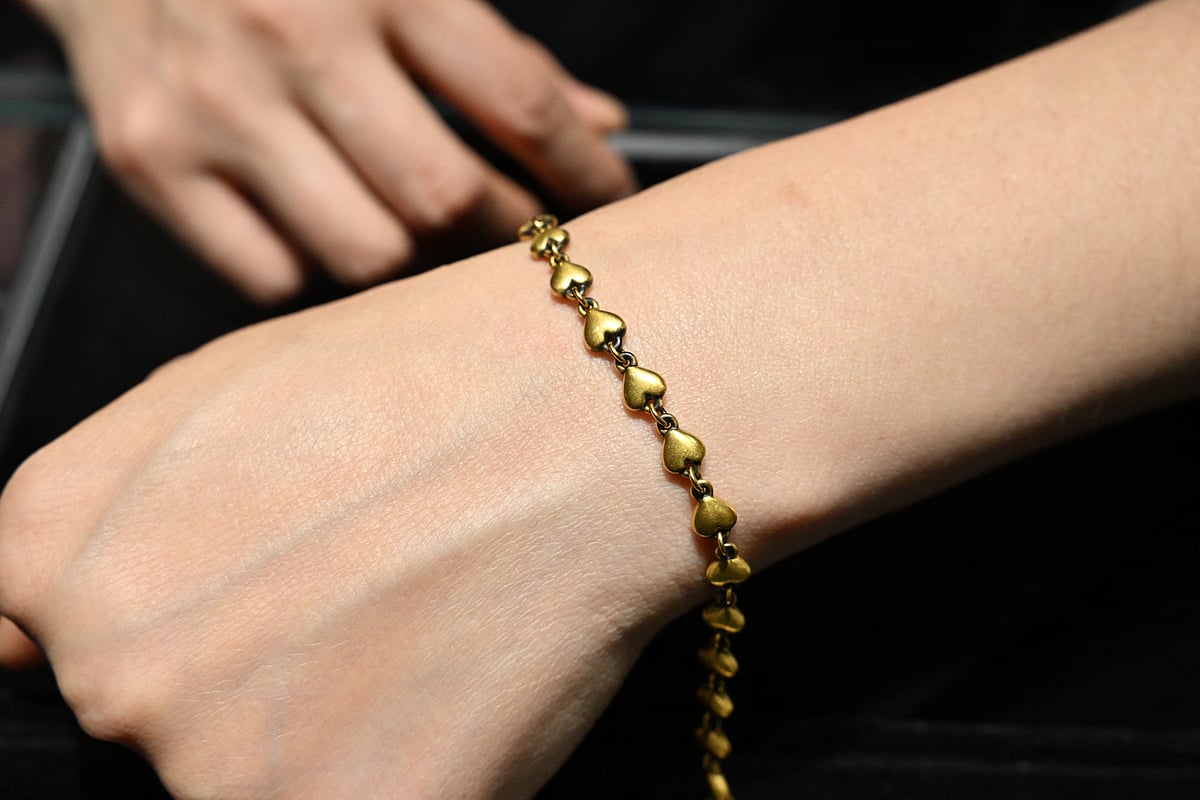
Dubai: Gold jewellery demand fell 17% year on year during the second quarter of 2026 as high prices prompted consumers to buy less and move towards lighter products, according to the World Gold Council.
Get updated faster and for FREE: Download the Gulf News app now - simply click here.
The decline pulled first-half jewellery volumes lower, although the value of demand rose 22% to $86 billion as elevated prices offset the reduction in the amount of gold purchased.
Total global gold demand was unchanged from a year earlier at 1,269 tonnes during the quarter, following a cooling in price momentum from the record levels reached at the beginning of 2026.
First-half demand increased 2% year on year to an estimated 2,522 tonnes, carrying a total value of $380 billion.
Investment demand loses momentum
Combined investment in gold exchange-traded funds, bars and coins fell to 262 tonnes during the second quarter as lower prices reduced some of the momentum recorded earlier in the year.
Gold-backed ETFs registered outflows of 45 tonnes during the quarter, although first-half ETF demand remained positive at 18 tonnes.
Bar and coin investment fell 3% year on year in the second quarter, while demand during the first six months remained 21% above the corresponding period last year following a strong first quarter.
Demand in the over-the-counter market reached 327 tonnes during the quarter, supported by investment from Asia, taking first-half OTC demand to 571 tonnes.
“Gold’s early-year rally reversed in the second quarter, with prices consolidating after correcting from record highs. But the market remained well supported, reflecting gold’s established role as a diversifier and store of value,” Louise Street, Senior Markets Analyst at the World Gold Council, said.
“While gold ETF flows receded in step with prices, continued central bank buying, and growth in OTC investment contributed to total gold demand edging 2% higher across the first half of the year.”
Central bank purchases rise
Central banks and other official institutions added a net 289 tonnes to their reserves during the second quarter, representing an increase of 62% from the same period last year.
Buying strengthened across several markets, although first-half demand remained below the elevated levels recorded in recent years following weaker activity during the first quarter.
The World Gold Council’s Central Bank Gold Reserves Survey found that 45% of respondents intend to increase their gold reserves over the next 12 months.
Mine production offsets lower recycling
Total gold supply remained unchanged year on year at 1,269 tonnes during the second quarter, with higher mine production offset by a decline in recycling.
Mine production rose by an estimated 2% to 966 tonnes, supported by new output from Canada and Chile.
Recycled supply fell 6% from a year earlier despite high gold prices, with consumers continuing to hold their existing gold instead of selling it back into the market.
Investment expected to lead demand
The World Gold Council expects investment to drive growth during the second half of 2026, although the mix of demand could change.
OTC activity and Asian investment are expected to take a larger role, while Western ETF demand may be more closely tied to real yields, expectations for US monetary policy and movements in the dollar.
“Central banks will remain significant buyers, albeit at a slightly slower pace than we’ve seen over the last four years. High prices will keep pressure on jewellery volumes, though consumers may continue to hold rather than sell, with recycling showing little sign of increasing,” said Street.

Sign up for the Daily Briefing
Get the latest news and updates straight to your inbox
Network Links
GN StoreDownload our app
© Al Nisr Publishing LLC 2026. All rights reserved.