Invest UAE: The UAE’s digitisation efforts have enhanced the user experience for taxpayers
The session at Invest UAE explored the UAE’s tax policies
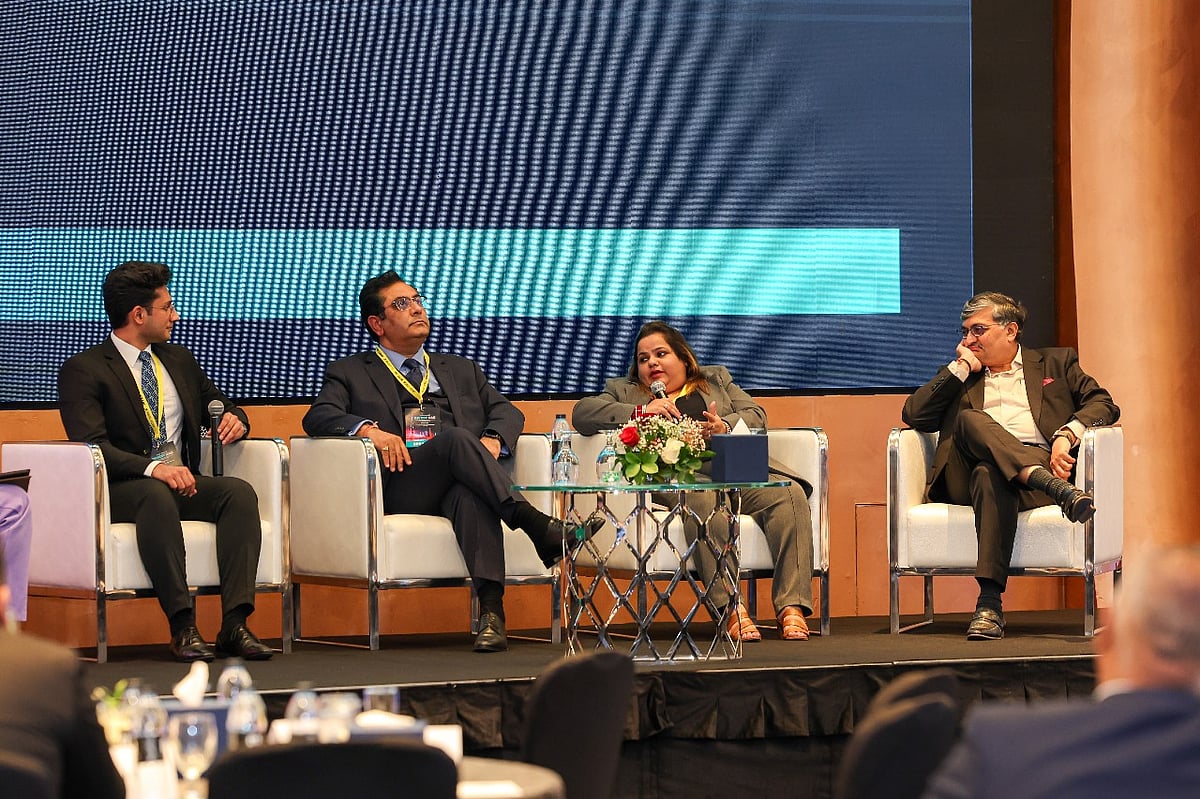
When evaluating a country’s tax environment, global investors consider several factors, including tax rates, infrastructure, and compliance ease. Emphasizing that the UAE remains a low-tax jurisdiction with attractive tax breaks, Nirav Shah, Director, Fame Advisory, said: “The UAE offers simplicity and ease of compliance, but non-compliance comes with significant penalties.” He also highlighted the importance of aligning accounting policies with new tax requirements, a challenge some businesses are currently navigating.
Shah was among a panel of tax experts who gathered in Dubai to discuss How the UAE’s Tax Environment Attracts Global Investors. At an event titled Invest UAE 2025, organised by Gulf News, the session explored the UAE’s tax policies, including exemptions, low tax rates, and incentives for foreign investors, and how these favorable conditions are helping businesses thrive.
Apart from Shah, the panel featured Jaison Mandapathil, Manager - Compliance & Assurance, Hussain Al Shemsi Chartered Accountants; Alok Chugh, CEO and Managing Partner, Helios Consulting; and Manali Chopra, Director, AKW Consultants.
Chugh, drawing from his experience working with tax authorities across the region, praised the UAE’s Federal Tax Authority (FTA) for its transparent and efficient implementation of tax policies. “The FTA has done a tremendous job in ensuring tax transparency and collection,” he said. Chugh added that investors value predictability and stability in a tax system, and the UAE’s digitization efforts have enhanced the user experience for taxpayers.
Manali Chopra shed light on the specific benefits for SMEs under the new tax regime. “The UAE has introduced several privileges for SMEs,” she said. Chopra also highlighted the advantages for free zone entities, particularly the zero-tax benefit for qualifying activities. “However, SMEs must ensure compliance with documentation and transfer pricing regulations to retain these benefits,” she cautioned.
Regarding transfer pricing, Chugh said that businesses must maintain vertical bookkeeping to distinguish between exempt and non-exempt activities, especially in free zones.
Looking ahead, the panelists agreed that the UAE’s tax environment will continue to evolve. Chopra predicted that the FTA would issue more clarifications and guidelines as businesses adapt to the new regime. Chugh said: “The UAE is aligning its tax policies with global best practices, including OECD initiatives.”
Jaison emphasized the role of technology in shaping the future of tax compliance. “The FTA is investing heavily in digitization, and businesses must prepare for connected compliance systems,” he said. Shah added that the UAE’s ability to administer taxes efficiently, despite being a late adopter, sets it apart. “The UAE will use technology to analyze data and conduct targeted audits, making compliance more streamlined,” he explained.
In closing, the panelists underscored the importance of compliance and preparation for businesses operating in the UAE. “The devil is in the details, and businesses must ensure they comply correctly to avoid penalties,” said Shah. Chopra urged businesses to strengthen their documentation and processes, while Chugh highlighted the opportunities for tax planning and cross-border investments. Jaison summed it up succinctly: “Compliance is key. To survive and thrive in the UAE, businesses must align with local laws and embrace technological advancements.”
Sign up for the Daily Briefing
Get the latest news and updates straight to your inbox
Network Links
GN StoreDownload our app
© Al Nisr Publishing LLC 2026. All rights reserved.