The conference brought together professionals from across different areas of the accounting, taxation, finance, and business sectors
Finance jobs in the UAE: Why demand for skilled accountants is rising
Accountants with the right mix of technical and digital skills are increasingly needed
Last updated:
4 MIN READ
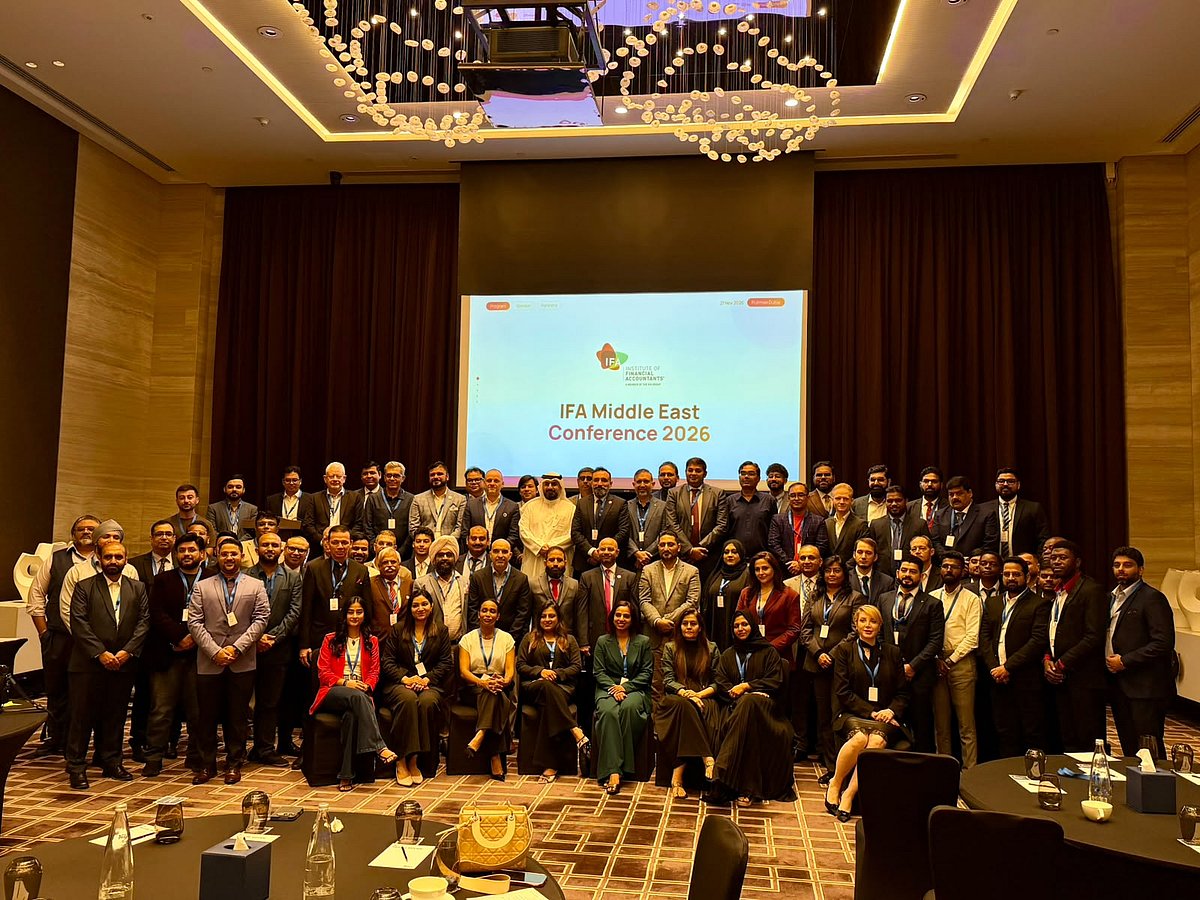
Approximately 200 accounting and finance professionals, business leaders, tax specialists, industry experts, and representatives from professional organisations participated at the IFA Middle East Conference 2026
Tricia Gajitos / Gulf News
Dubai: The UAE’s growing economy is opening doors for accounting and finance professionals, but landing the right opportunities requires more than a qualification and the ability to balance books.
As businesses expand and navigate corporate tax requirements, digital transformation, and new compliance rules, demand is growing for accountants who can do more than manage figures. Employers increasingly need professionals who understand artificial intelligence (AI), can interpret financial information, and contribute to business decisions.
For those looking to build or advance a finance career in the UAE, the shift presents opportunities, but also raises the bar on the skills needed to stay competitive.
The changing demands of the profession have been discussed at the Institute of Financial Accountants (IFA) Middle East Conference 2026, held at Pullman Dubai Downtown on November 21. The event has brought together around 200 accounting and finance professionals, business leaders, tax specialists, and industry representatives.
Get updated faster and for FREE: Download the Gulf News app now - simply click here.
Bridging the accounting skills gap
The UAE and wider GCC continue to see growing demand for accounting professionals, but the availability of suitably trained staff remains a challenge, according to Saqib Iqbal, regional director of IFA.
He has noted that the country’s expanding business environment, particularly its small and medium-sized enterprise (SME) sector, required a steady supply of qualified accounting talent.
“We think that there’s still a lot to do and we’ve been trying to fill the gap when it comes to the supply of regular but trained accounting staffing in the market,” Iqbal told Gulf News on the sidelines of the conference.
He has bared that IFA was working with industry stakeholders, other accounting bodies, and local authorities to strengthen the accounting profession and better connect businesses with trained professionals.
Saqib Iqbal, regional director of IFA
The UAE’s corporate tax regime and changes to the tax framework have made knowledge of local regulations an important part of an accountant’s skill set. Businesses must also prepare for the planned introduction of e-invoicing in 2027.
Iqbal has emphasised that professional development needs to keep pace with these changes, particularly as AI and other technologies reshape accounting practices.
“Within every year, we’ve been trying to provide them 40 to 50 training hours, where we bring the speakers from outside. We are trying to feed them with all the knowledge required when it comes to AI.”
He added, “We are also trying to bring technology providers all on board as well, so that they can train our members and be more aligned with the requirements.”
Accountants must think beyond numbers
In a separate interview, Jonathan Barber, executive director of IFA, has highlighted that the UAE’s economic diversification and growing business community are creating a demand for finance professionals, but accountants will need to take on responsibilities beyond traditional financial functions.
The Emirates’ growing services and technology sectors have been changing the business landscape, while professionals arriving from overseas were bringing experience and knowledge to the local market.
“The UAE is a vibrant country. There is a multitude of growing and emerging businesses here. There is a flow of finance professionals coming to the UAE from various countries around the world to share their experience and knowledge, but also to personally and professionally develop their careers,” shared Barber.
He has pointed out that finance professionals have opportunities to support companies as they expand, meet regulatory requirements, and make better business decisions. However, technical accounting knowledge alone would not be sufficient to advance in the profession.
Jonathan Barber, executive director of IFA
“They need to develop their commercial acumen. They need to boost their commercial awareness. They need to become business partners.”
Accountants working within companies should understand how different departments operate and work closely with colleagues across the organisation. Those in public practice should become trusted advisers who can provide clients with financial guidance and strategic thinking.
Barber has underscored that finance professionals also need to understand the technological changes affecting their work.
“Probably AI will have the biggest impact and it’s important that the finance community is at the centre of that change and is ensuring that all businesses, whether they be micro small, medium, or large, are ready to seize the opportunities and embrace technology.”
What this means for UAE finance careers
The changing responsibilities of finance professionals have also been reflected in the conference’s modern chief financial officer panel discussion, which examined the expanding role of finance leaders in strategic planning, financial governance, risk management, and business transformation.
Other sessions have tackled the UAE’s corporate tax requirements and the planned 2027 e-invoicing rollout, including the need for businesses to prepare their systems, processes, and finance teams.
UAE corporate tax remained a central focus of the conference, with industry experts examining the practical implications of the evolving tax framework
For professionals considering a career in the Emirates, the changing landscape offers opportunities across businesses of different sizes and sectors. But the definition of a skilled accountant is changing.
Knowing the numbers remains essential. But in the UAE’s evolving business environment, understanding what those numbers mean for a company and helping decide what happens next could set finance professionals apart.
Network Links
GN StoreAbout Gulf NewsTerms & ConditionsReach by GNSitemapContact usPrivacy PolicyGN FocusHave your sayWork with usAdvertise with usGulf News epaperPrinting Services
Download our app
© Al Nisr Publishing LLC 2026. All rights reserved.