UAE petrol price for June 2026: Cost to drop fast if US, Iran agrees to end war?
Oil slips below $100 as talks progress, but fuel relief may stay limited for UAE motorists
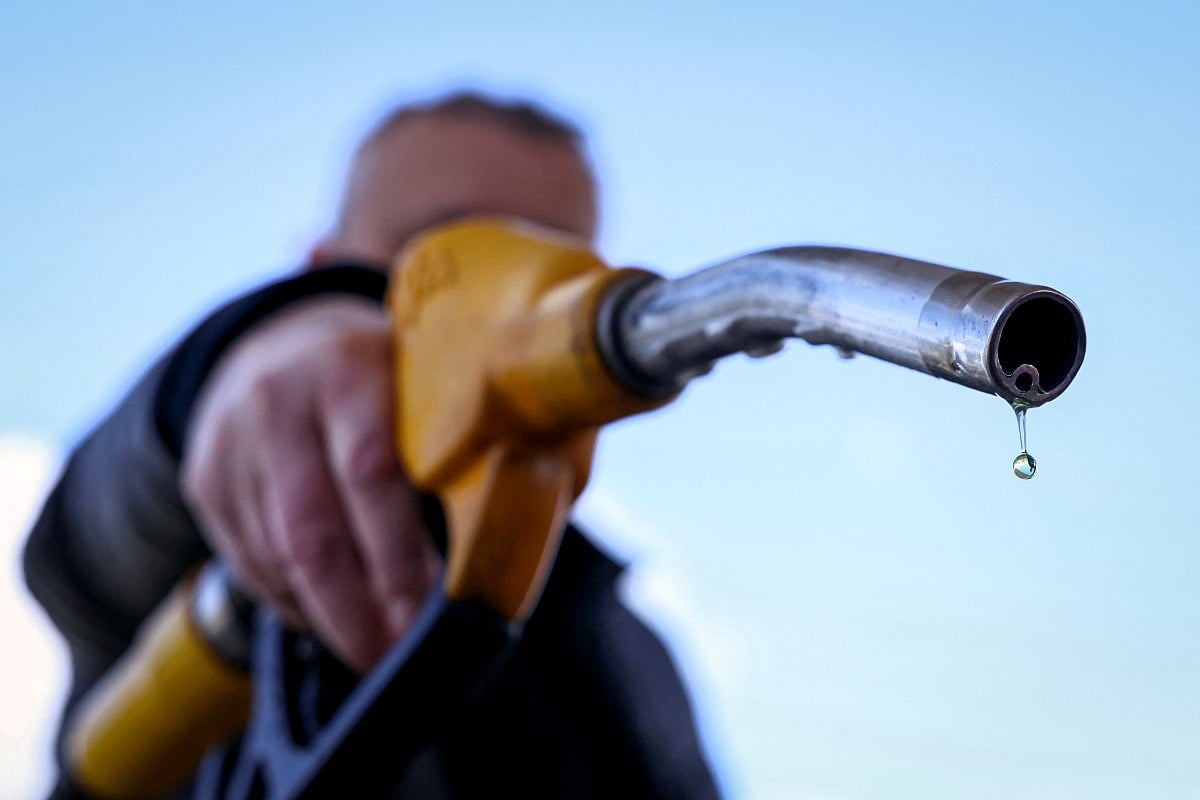
Dubai: UAE motorists could see fuel prices rise for a fourth consecutive month in June, although the increase is expected to be far smaller than the sharp jumps recorded earlier this year.
Get updated faster and for FREE: Download the Gulf News app now - simply click here.
The reason is simple: oil prices remain elevated despite recent declines from peak levels. Brent crude averaged around $106 per barrel through much of May, higher than April’s average of roughly $99.
That increase alone keeps upward pressure on UAE fuel prices, which are revised monthly based on global oil averages. At the same time, crude has started cooling from recent highs. Brent fell below the $100 mark on Monday to around $98–$99 per barrel on signs of progress in US-Iran negotiations.
That leaves June fuel pricing in an in-between phase. Oil is no longer surging the way it did in March and April, but prices are still high enough to prevent a meaningful drop at the pump.
In May, UAE petrol prices had already risen for a third consecutive month, with Super 98 at Dh3.66, Special 95 at Dh3.55, and E-Plus at Dh3.48 per litre. Petrol prices were up nearly 50% from February, when Super 98 cost Dh2.45 per litre.
For motorists, the serious price spikes seen since March likely mean June prices could either edge slightly higher or remain close to May levels, rather than delivering immediate relief.
Why oil prices are still up
The main pressure point remains the Strait of Hormuz, one of the world’s most important energy shipping routes.
Around 20% of global oil and fuel supplies pass through the strait, and shipping activity has yet to fully normalise following recent disruptions and naval restrictions in the region. Even though tensions have eased compared to March, markets remain cautious because supply flows are still constrained.
Oil prices have also become highly reactive to developments around a possible US-Iran agreement. Any sign of progress in negotiations has pushed crude lower, while renewed uncertainty quickly sends prices higher again.
This explains why oil has been swinging sharply within short periods instead of settling into a stable trend.
How this affects UAE fuel
The UAE follows a market-linked pricing system introduced in 2015, meaning local fuel prices closely track international oil movements with a one-month lag. That means:
April prices reflected March’s oil spike above $110–$120
May prices reflected elevated April averages
June prices will now reflect May’s still-high—but gradually cooling—oil market
In practical terms, motorists are unlikely to see another major surge similar to April. But because oil spent most of May above April’s average, the chances of a significant reduction also remain limited.
Petrol prices may stay broadly stable or rise slightly, while diesel could remain under pressure due to tighter global supply and shipping costs.
Why relief can take longer
Historically, UAE fuel prices rarely fall sharply immediately after a spike in crude oil. Instead, prices usually go through a stabilisation phase where markets slowly adjust before a clearer direction emerges.
Diesel prices often take longer to ease because global demand from logistics, transport, and industry remains strong even when crude starts falling. This suggests June could act as another transition month rather than the start of a major correction.
If oil stabilises below $100 for a sustained period and shipping flows through Hormuz improve further, more noticeable relief could appear later in the summer.
What motorists should watch
The next direction for fuel prices depends largely on three factors:
Whether Brent crude stays below or moves back above $100 per barrel
Material progress in US-Iran negotiations or preliminary deal
Shipping activity resumes further through the Strait of Hormuz
April reflected peak disruption in global energy markets. May showed signs of cooling. June will reveal whether oil markets are finally stabilising—or whether volatility still has room to run.

Sign up for the Daily Briefing
Get the latest news and updates straight to your inbox
Network Links
GN StoreDownload our app
© Al Nisr Publishing LLC 2026. All rights reserved.