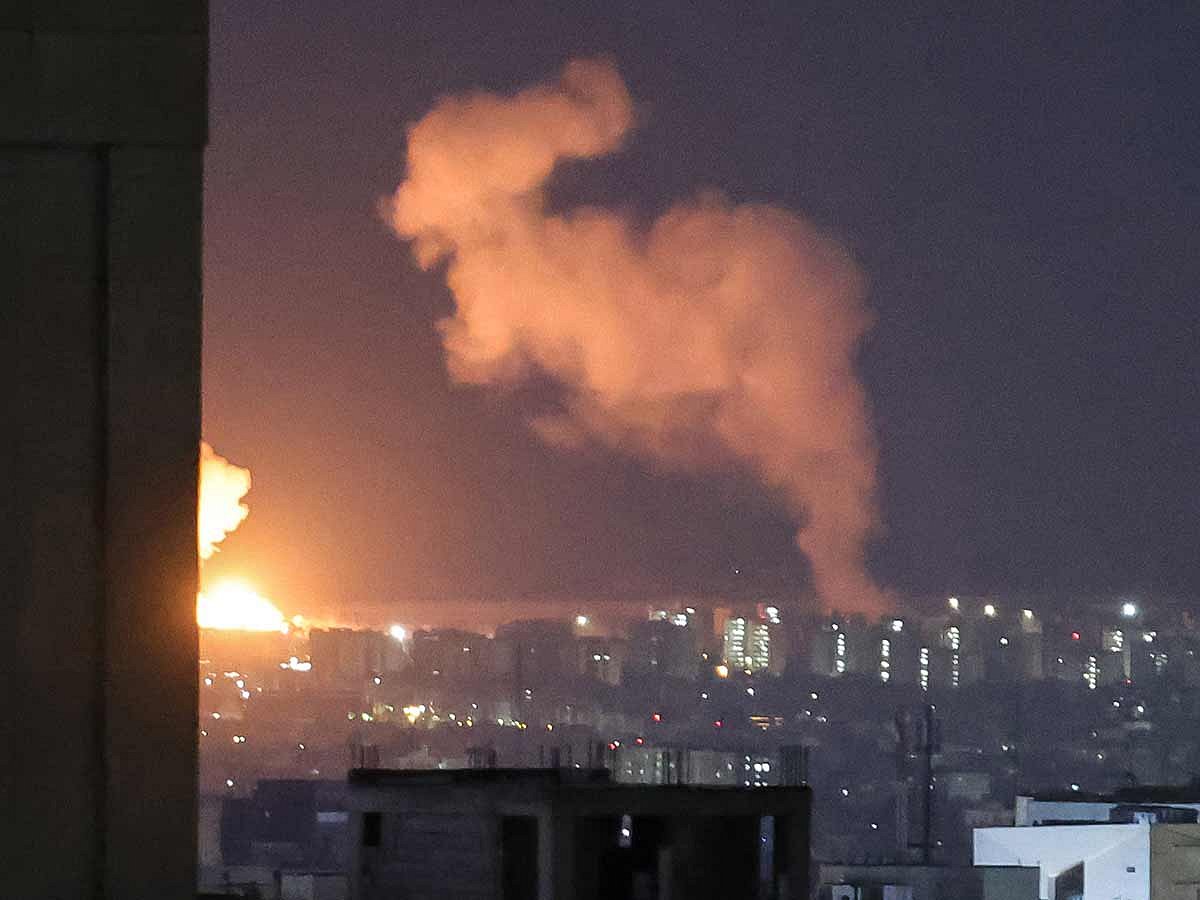
US President Donald Trump on Sunday dismissed the war-related spike in oil prices as a "small price to pay" for removing the threat of Iran's nuclear program.
"Short term oil prices, which will drop rapidly when the destruction of the Iran nuclear threat is over, is a very small price to pay for U.S.A., and World, Safety and Peace. ONLY FOOLS WOULD THINK DIFFERENTLY!" he wrote on his Truth Social platform.
On March 3, 2026, Trump also announced that the US would take steps to ensure the safe passage of maritime trade, particularly energy shipments, through the Arabian Gulf and Strait of Hormuz amid the US-Israel conflict with Iran (which has led to attacks on vessels, soaring war-risk insurance premiums, and a sharp drop in tanker traffic).
Amid tanker squeeze in Hormuz, oil prices spike as Iran–US war chokes global supply, markets on edge
He stated (as quoted consistently across multiple reports): “Effective IMMEDIATELY, I have ordered the United States Development Finance Corporation (DFC) to provide, at a very reasonable price, political risk insurance and guarantees for the Financial Security of ALL Maritime Trade, especially Energy, traveling through the Gulf. This will be available to all Shipping Lines. If necessary, the United States Navy will begin escorting tankers through the Strait of Hormuz, as soon as possible. No matter what, the United States will ensure the FREE FLOW of ENERGY to the WORLD."
This was in response to Iran's actions disrupting shipping in the Strait of Hormuz (a critical chokepoint for ~20 million barrels of oil per day), which had caused oil prices to surge and commercial insurers to pull back or hike rates dramatically.
What it means
Trump said the US Navy stands ready to provide military protection ("escorts") for oil tankers and other vessels transiting the Strait if shippers request it or conditions warrant.
This is conditional ("if necessary") and aims to deter Iranian attacks or mine threats, similar to past US operations (e.g., during the 1980s “Tanker War”).
It's not clear if there are any takers as of early Monday (March 9, 2026).
Reports indicate no ships have yet accepted such escorts, and traffic remains down ~92%, with ~20 million barrels/day effectively frozen.
Cheap insurance
Under Trump's plan, the US International Development Finance Corporation (DFC, a government agency) would offer government-backed "political risk insurance" and financial guarantees at a "very reasonable price" (far below market war-risk premiums) to cover losses from conflict-related incidents.
This subsidises shipping to encourage vessels to resume transit, stabilizing global oil supply and prices. It's targeted at commercial shipowners, charterers, and insurers to minimize market disruptions.
Critics note implementation challenges, including a reported ~$200 billion shortfall in DFC capacity (needing congressional action to raise limits), and that it may only partially solve the crisis without full buy-in from shippers.
Overall, this is an aggressive US intervention to prevent an energy crisis, counter Iran's leverage over global oil routes, and calm markets — though practical rollout faces hurdles like congressional approval, shipper reluctance (due to escalation risks), and logistical setup.
Sign up for the Daily Briefing
Get the latest news and updates straight to your inbox
Network Links
GN StoreDownload our app
© Al Nisr Publishing LLC 2026. All rights reserved.