UAE targets Dh2.56 trillion in Islamic finance assets by 2031
Islamic bank assets reached Dh1.4 trillion by June
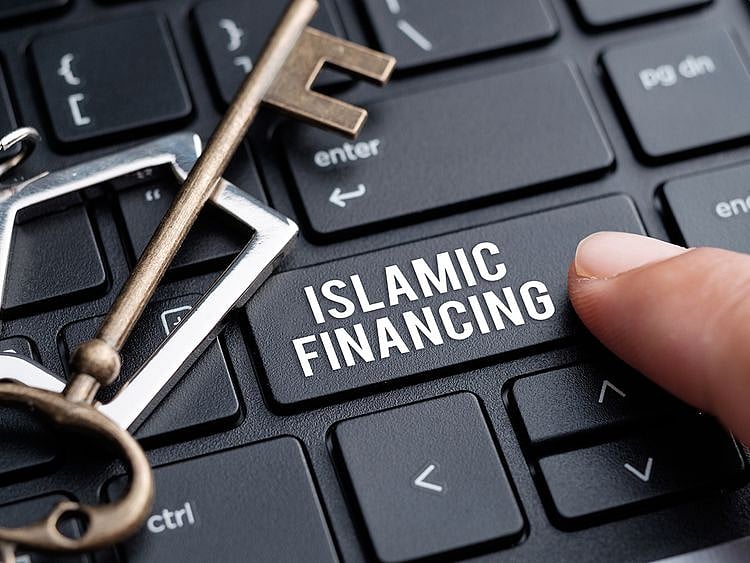
Dubai: Abu Dhabi: The UAE is targeting Dh2.56 trillion in local Islamic finance assets by 2031 under a national strategy that also seeks to strengthen legal and Shari’ah certainty and protect customers’ rights.
Islamic bank assets in the UAE stood at Dh1.4 trillion as of June 2026, while 43 Islamic financial institutions are licensed in the country. The UAE ranked third globally in the Islamic Finance Development Indicator for 2025.
Get updated faster and for FREE: Download the Gulf News app now - simply click here.
The targets form part of the UAE Islamic Finance and Halal Industry Strategy 2025 to 2031, approved by the Cabinet in May 2025. The Central Bank of the UAE is coordinating with federal and local entities to integrate Islamic finance and the halal industry more closely into the country’s economic agenda.
Clearer rules for customers and banks
A major part of the strategy is aimed at giving Islamic finance transactions a clearer legal and Shari’ah framework.
The Commercial Transactions Law, Federal Decree by Law No. 50 of 2022, includes a dedicated chapter covering Islamic finance contracts and financing arrangements. It also links provisions of the law to Shari’ah standards issued by the Higher Shari’ah Authority and provides a framework for interpreting those provisions and resolving disputes.
The Central Bank is also empowered to issue regulations following approval from the Higher Shari’ah Authority.
The framework is intended to provide clearer rights and obligations, standardise Shari’ah interpretations and reduce legal and Shari’ah disputes involving Islamic financial transactions.
Registration fees and costs addressed
The Central Bank Law, Federal Decree-Law No. 6 of 2025, regulates the business activities of Islamic financial institutions along with their supervisory and Shari’ah frameworks.
Among its provisions, Islamic financial institutions can undertake transactions involving real estate and goods where required to carry out Shari’ah-compliant financing structures. The framework also exempts Islamic financial transactions from registration requirements or similar fees or costs.
Customer protection is listed among the main objectives of the regulatory framework, together with strengthening trust in Islamic finance services and creating a legal environment that supports innovation.
More than 280 standards and resolutions
The Higher Shari’ah Authority at the Central Bank, established in 2018, works to standardise Shari’ah practices across Islamic financial institutions.
More than 280 standards and resolutions have been issued to regulate Islamic financial transactions and reduce differences in Shari’ah interpretations, alongside more than nine Shari’ah governance standards.
Prudential standards covering financial integrity, risk management and the stability of Islamic financial institutions also form part of the framework.
Sukuk, Islamic funds and halal industries
The broader strategy extends beyond banking, with plans to develop the UAE’s ecosystem for sukuk, Islamic money markets and Islamic funds while supporting larger and more competitive Islamic financial institutions.
It also seeks closer links between Islamic finance and the halal economy, including increased local production of high-value halal products, a halal traceability system aimed at supporting re-exports, and greater support for SMEs and technology startups operating in the sector.
Other areas identified for development include halal tourism, modest fashion, Islamic-themed media and the wider use of waqf mechanisms in philanthropic activities.

Sign up for the Daily Briefing
Get the latest news and updates straight to your inbox
Network Links
GN StoreDownload our app
© Al Nisr Publishing LLC 2026. All rights reserved.