UAE banks deferred Dh13.5b in loan repayments under CBUAE support package
135,031 customers had benefited from loan repayment deferrals as of July 30
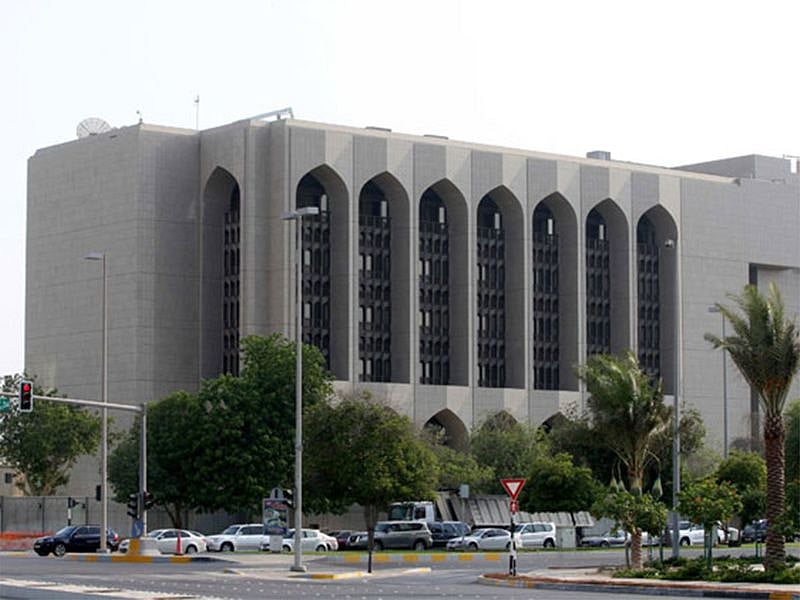
Dubai: Banks in the UAE deferred repayments on Dh13.5 billion worth of loans for more than 135,000 customers under a Central Bank support package introduced earlier this year, helping businesses and individuals affected by regional disruptions while the country's banking sector continued to strengthen.
Get updated faster and for FREE: Download the Gulf News app now - simply click here.
The figures were released by the Central Bank of the UAE (CBUAE) on Wednesday as part of an update on the comprehensive proactive support package it introduced in March 2026 to reinforce the resilience of financial institutions and support borrowers facing temporary financial pressures.
According to the central bank, 135,031 customers had benefited from loan repayment deferrals as of July 30.
Which benefited most?
The largest share of deferred loans went to large companies. Of the Dh13.5 billion in deferred repayments:
Dh9.1 billion was for large corporates
Dh2.4 billion was for small and medium-sized enterprises (SMEs)
Dh2 billion was for individual borrowers
In terms of customer numbers, individuals accounted for the overwhelming majority of beneficiaries. The repayment relief covered:
127,753 individuals
6,198 SMEs
1,080 large corporates
The central bank said the repayment deferrals formed part of its prudential approach to supporting financial stability while helping banks manage credit quality during a period of regional uncertainty.
Banking sector to grow
The support measures came as the UAE banking sector continued to expand.
CBUAE data showed that total banking assets increased 12.5 per cent year on year as of June 30, 2026, while loans grew 18.1 per cent and customer deposits rose 14 per cent compared with the same period last year.
The central bank said the figures reflected the continued resilience and growth of the country's banking system.
Record drop in bad loans
The CBUAE also said UAE banks achieved their strongest asset quality on record by the end of the second quarter of 2026.
The ratio of non-performing loans (NPLs) — loans where borrowers have fallen significantly behind on repayments — fell to 2.8 per cent, the lowest level recorded by the UAE banking sector. That compares with 8.2 per cent in 2020, a decline of 5.4 percentage points.
The net non-performing loan ratio, which reflects bad loans after provisions are taken into account, also reached a record low of 1.3 per cent, down from 3.6 per cent in 2020.
The total stock of non-performing loans also continued to decline, falling to Dh76 billion by the end of the second quarter from Dh84 billion at the end of the first quarter of 2026 and Dh142 billion in 2020.
How did banks improve?
According to the CBUAE, the improvement was driven by a series of regulatory and supervisory measures introduced over recent years to strengthen banks' risk management and improve the quality of their loan books.
These included intensive inspections, comprehensive reviews of banks' asset quality, closer engagement with lenders and chief risk officers, and the implementation of stricter credit risk management regulations and standards.
The central bank also developed guidelines covering the write-off and recovery of non-performing loans in line with international best practices, helping banks reduce bad debts while strengthening the overall resilience of the UAE financial system.

Sign up for the Daily Briefing
Get the latest news and updates straight to your inbox
Network Links
GN StoreDownload our app
© Al Nisr Publishing LLC 2026. All rights reserved.