Story behind HDFC Bank chairman’s exit: Dubai curbs, bond scrutiny, rifts
From compliance lapses to boardroom tensions - how events unfolded at HDFC Bank helm
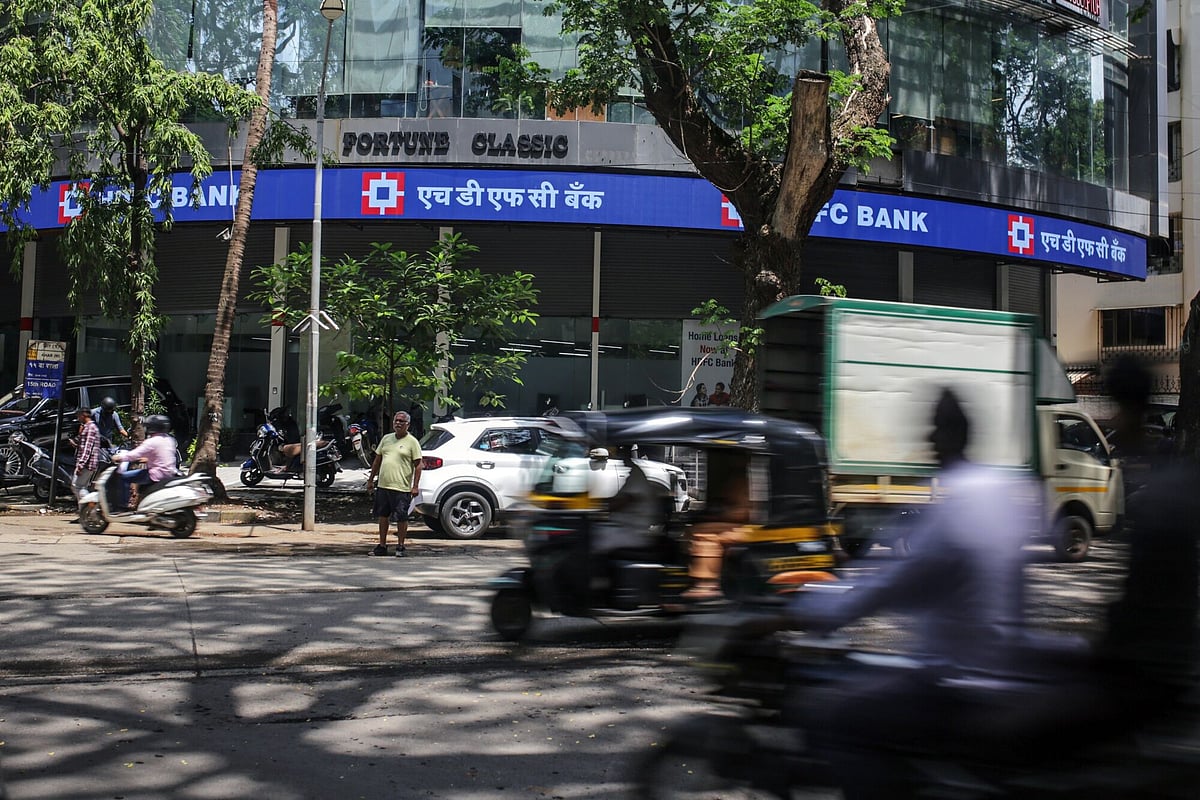
Dubai: The sudden resignation of Atanu Chakraborty as chairman of HDFC Bank twelve days ago followed a sequence of events linked to the bank’s Dubai operations, internal disciplinary action, and differences over how those issues were handled.
Get updated faster and for FREE: Download the Gulf News app now - simply click here.
Here’s what transpired in the lead-up to the former chairman’s resignation and how the sequence of events unfolded:
Dubai curbs, bond scrutiny
The episode began with regulatory action in Dubai. Authorities at the Dubai Financial Services Authority flagged lapses at the DIFC branch of HDFC Bank in September 2025.
The bank was subsequently restricted from onboarding new clients and from carrying out certain financial service activities tied to investment advisory, transaction arrangements, and custody.
The concerns related to how services were provided to clients who had not completed required onboarding procedures.
Around the same time, attention turned to the sale of additional tier 1 (AT1) bonds issued by Credit Suisse. These high-yield instruments were later written down following the Swiss lender’s 2023 rescue, leaving high-net-worth investors with losses.
Internal action, ethical rift
An internal review followed at the bank. Some employees were placed on gardening leave, while others faced disciplinary action, including terminations. The developments also coincided with the exit of several senior executives, including key roles in compliance and internal audit.
In an interview with CNBC TV-18, Chakraborty said action on the bond-related issues was delayed, noting, “it was not immediate” and had taken time to materialise. He also pointed to how the matter was initially interpreted internally, saying it had been seen as a “technical lapse.”
His disagreement with that characterisation became central to his decision. Chakraborty said it did not align with his standards, adding, “these practices are not rooted in values,” and describing an “incongruence” between his framework and the bank’s approach.
He stressed that his resignation was broader in nature, stating, “it was not issue-based.”
Market reaction, current stance
The resignation on March 18 triggered a sharp market reaction, with the bank losing about $21 billion in value and prompting renewed scrutiny of governance and boardroom dynamics.
The bank, led by CEO Sashidhar Jagdishan, has maintained that its governance practices remain robust and that its strategic priorities are unchanged. Reserve Bank of India has also said the lender remains well-capitalised and operationally strong.
Chakraborty declined to expand further on his resignation, saying, “my letter is self-explanatory.”
The sequence of events has drawn attention to how regulatory findings, internal responses, and board-level differences unfolded in parallel in the lead-up to his exit.

Sign up for the Daily Briefing
Get the latest news and updates straight to your inbox
Network Links
GN StoreDownload our app
© Al Nisr Publishing LLC 2026. All rights reserved.