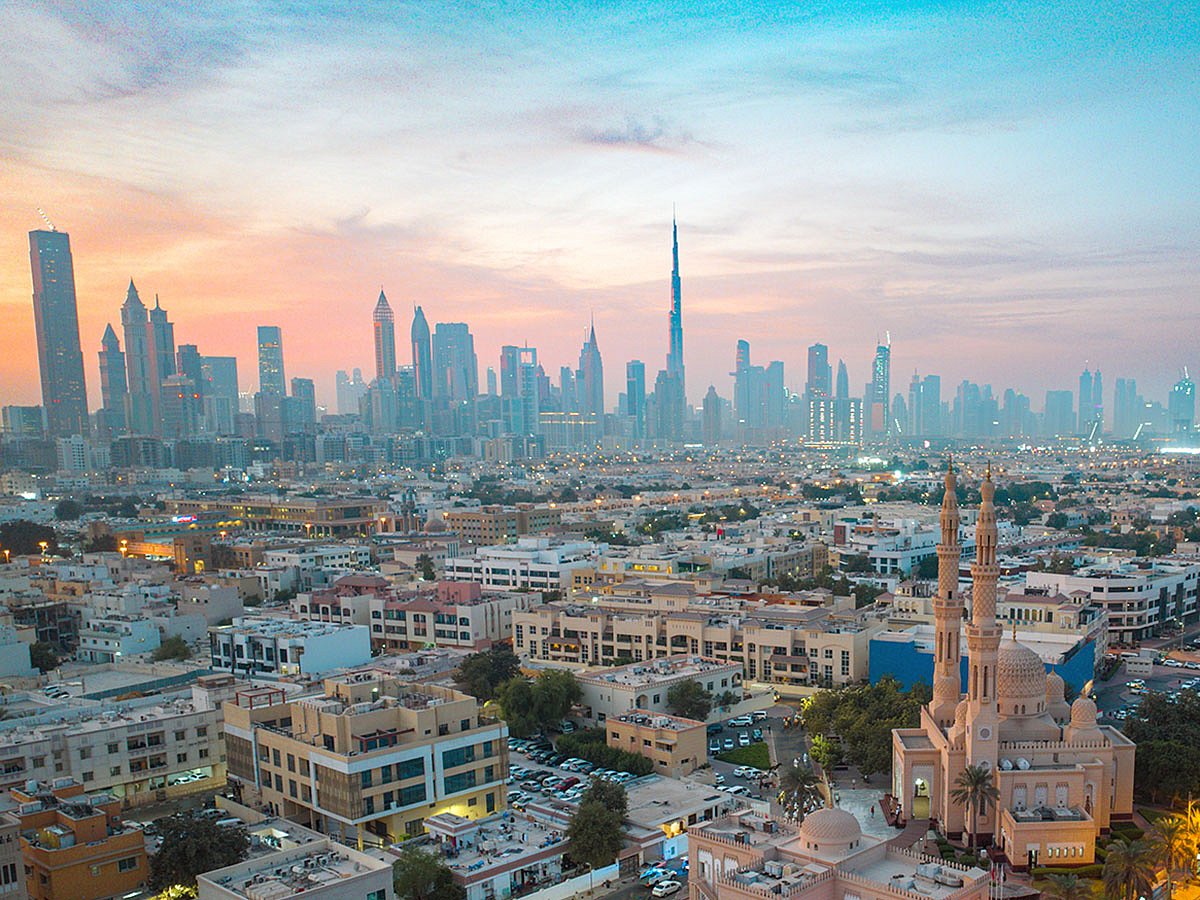
In early 2025, billionaire John Fredriksen made headlines—not just for the scale of his fortune, but for where he chose to move it. Long a fixture on London’s rich lists, Fredriksen decided to call time on the UK’s “non-dom” tax regime and shift the nerve centre of his empire to Dubai. He is hardly alone: hedge fund icon Michael Platt, Telegram founder Pavel Durov, and a growing club of self-made wealth creators are spearheading a dramatic migration of both capital and ambition into the Gulf’s most dynamic city.
New wealth capital rises
The numbers tell a striking story: at least 9,800 millionaires are set to relocate to the UAE in 2025, the highest global figure—well ahead of the US, Singapore, and Switzerland. Just a year ago, that number was 6,700; such a sharp rise underscores how Dubai’s magnetism is intensifying. By 2030, the UAE could add over 30,000 new millionaires—further cementing its role as a global capital magnet. Combined, these arrivals are expected to bring $63 billion in fresh wealth in 2025 alone, catapulting the city’s financial clout to new heights.
But these aren’t just anonymous numbers. A closer look reveals a unique pattern within the new arrivals: mid-tier millionaires—those with $5 million to $30 million in investable assets—are not just parking funds, but actively investing, buying homes as primary residences, and launching new ventures. Globally, this cohort now wields $55 trillion, and they are growing at a pace that surpasses both the ultra-wealthy and billionaires.
Real stories, real roots
Dubai’s new era has also been defined by headline-making home purchases and big reputations choosing its ZIP codes. Steel titan Lakshmi N. Mittal, recently bought a showstopper mansion in Emirates Hills for nearly $100 million. Other icons – from tennis legend Roger Federer, who uses Dubai as his winter training base, to digital pioneers like Nikolay Storonsky (Revolut) and Pavel Durov (Telegram), and a new generation of Indian, Russian, African, and Asian business families – have all put down deep roots. These arrivals aren’t just seeking tax breaks; they’re drawn by the city’s unique blend of lifestyle, global access, and geopolitical stability.
Regulation, reinvented
What makes this migration possible is a bold regulatory pivot. The Dubai International Financial Centre (DIFC), Abu Dhabi Global Market (ADGM), and other free zones offer state-of-the-art regimes for private capital, succession planning, and family offices. Recent reforms—like the 2025 Family Arrangements Regulations—make it far easier to establish multi-generational structures, facilitate intergenerational wealth transfers, and guarantee confidentiality. The UAE outpaces rivals by combining zero income, inheritance and wealth taxes with tight compliance and business-friendly oversight, drawing both family offices and institutional investors from around the world.
This readiness has not gone unnoticed by leading private banks: HSBC recently opened a region-first Dubai wealth hub, Barclays shifted senior global leadership to the city, and Julius Baer is reportedly looking at significantly expanding local operations.
More than a lifestyle choice
Beyond regulation and tax, Dubai holds a strategic advantage. Repeatedly named among the safest cities in the world, the emirate offers a stable legal environment, world-class infrastructure and healthcare, and top-tier international schools—all key factors for mobile families choosing where to settle long-term. Dubai’s time zone, perfectly bridging European and Asian trading hours, further cements its role as a truly global business gateway.
Lifestyle, meanwhile, is integral to the Dubai story. The city has ranked first in expat lifestyle polls and is celebrated for its blend of luxury, innovation, and cultural vibrancy. Its openness, modern outlook, and soft power—backed by pragmatic diplomacy and status as a global bridge-builder—are increasingly influential. Dubai projects a values-based modernity that not only draws new money, but aligns with the progressive, impact-driven ambitions of next-generation inheritors from around the world.
Opportunity in transition
Dubai’s meteoric rise comes as an $80-120 trillion generational asset transfer shakes the global economy. The city is perfectly positioned: offering advanced family office infrastructure, common-law inheritance tools, and free zones that harmonise flexibility with reliability. For today’s wealth creators and tomorrow’s inheritors, Dubai is more than a safe haven—it’s an active platform for growing, preserving, and deploying capital for the long term.
As the UK tightens its non-domicile rules, and traditional hubs like Hong Kong or Switzerland face new challenges, the UAE has vaulted ahead as the primary beneficiary of shifting wealth. Notably, much of the new money stays invested locally—fueling schools, hospitals, philanthropy, local IPOs, and a wider, more sophisticated financial market.
Not just a passing trend
Perhaps most remarkably of all, this influx is not transient. The UAE’s competitive edge is rooted not just in tax or luxury, but in its long-term vision—and those moving in are building generational ambitions. As one newly arrived tycoon put it, Dubai isn’t just where assets sleep safely—it’s where families can build dynasties and realize dreams.
Each move from London or Zurich shifts the centre of gravity eastward, toward Dubai’s sunlit horizon. With a cosmopolitan population and future-focused leadership, Dubai is redefining the blueprint for global wealth—making the city a destination not just for fortunes, but for the ambitions that shape them.
- The writer is vice chairman of Wealthbrix Capital Partners Limited and host of the popular fortnightly podcast Money Majlis
Sign up for the Daily Briefing
Get the latest news and updates straight to your inbox
Network Links
GN StoreDownload our app
© Al Nisr Publishing LLC 2026. All rights reserved.