How blue light affects your sleep, and what helps
Light helps set your body clock, influencing when you feel awake or sleepy
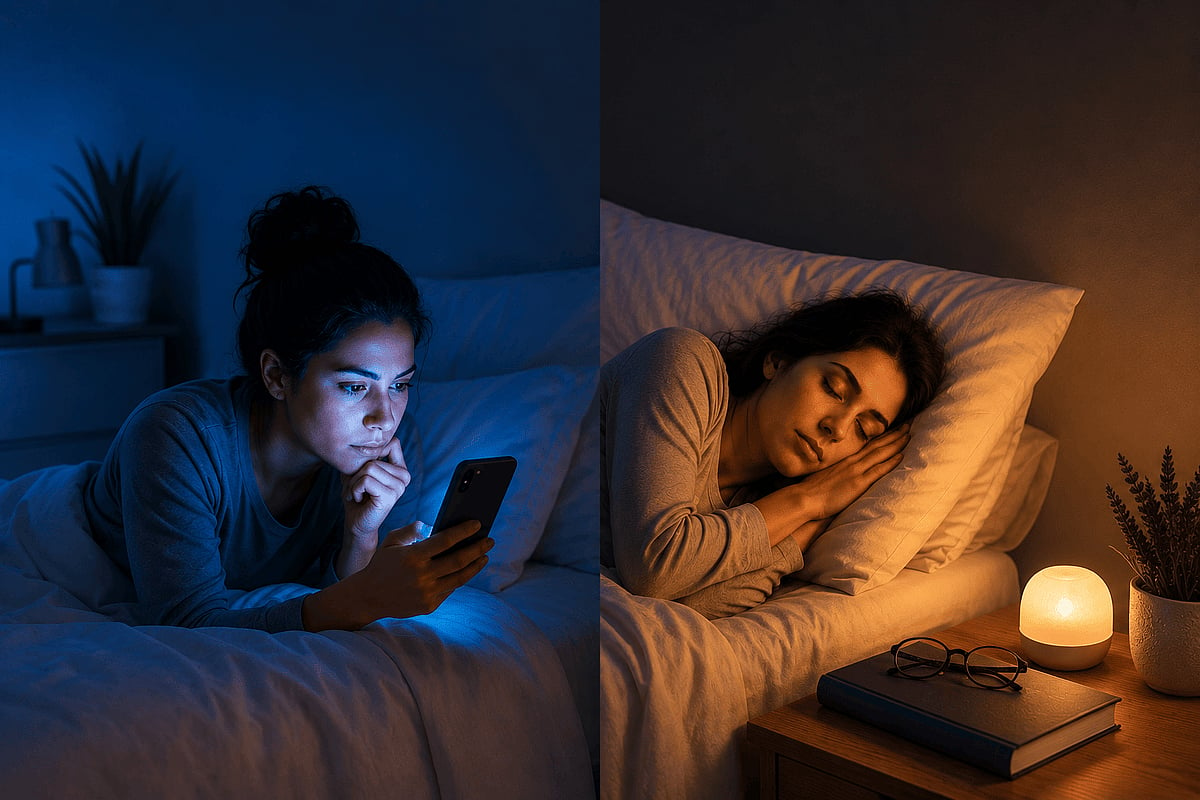
Your body keeps time with light. Deep inside the eye are specialised cells that respond strongly to blue enriched light, sending signals that help regulate the circadian rhythm, the internal clock that influences when you feel alert or sleepy. During the day that is useful, helping you stay awake and aligned with the natural light cycle. In the evening, though, bright artificial light can delay the rise of melatonin, the hormone that signals it is time to wind down. Research suggests blue wavelengths play a role, but brightness and the amount of time spent under artificial light matter too.
If your evenings involve scrolling on a phone, answering emails on a laptop or watching television before bed, your lighting habits may be worth a closer look. The goal is not to avoid screens entirely. Instead, it is to make the transition from day to night gentler by reducing bright, blue enriched light and keeping a regular bedtime routine. Features such as Night Shift or similar warm display modes can help reduce short wavelength light, while dimming room lighting signals that bedtime is approaching. Blue light blocking glasses may also help some people, although systematic reviews find the evidence is mixed and benefits appear modest rather than dramatic. Anyone with persistent sleep difficulties should speak with a doctor rather than relying on consumer products alone
Focus on products that reduce overall evening light exposure instead of promising miracle results. Warm white lighting, dimmable lamps and consistent bedtime cues have clearer practical value than exaggerated marketing claims. If choosing blue-light glasses, look for clear information about the wavelengths they filter, but remember that lowering screen brightness and putting devices away before bed are likely to have a greater effect than glasses alone.
Horus X glasses are designed to reduce exposure to part of the blue light spectrum emitted by digital screens. These glasses filter 100% of blue light from 380–400 nm and 86% across 380–450 nm. According to current research, they may help some people who use screens late into the evening, but they should be viewed as one part of a broader bedtime routine rather than a standalone solution. Pairing them with reduced screen brightness and warmer room lighting makes more sense than relying on the glasses alone
Changing the lighting in your living room or bedroom can have a bigger impact than many people expect. This Philips LED bulb provides a warm colour temperature that feels less stimulating than cooler daylight-style lighting. Used during the final hour before bed, warm lighting supports an environment that encourages your body to recognise the day is ending, without making the room uncomfortably dark.
Sleep routines do not begin only at bedtime. Waking up consistently also helps reinforce the body's internal clock. This sunrise alarm clock gradually increases light before your alarm sounds, providing a gentler start to the day than a sudden ringtone. While it does not replace healthy sleep habits, it can make a regular wake up schedule easier to maintain.
Research shows that evening blue light can influence sleep, but it is only one piece of the puzzle. The strongest approach combines lower screen brightness, warmer lighting, a consistent bedtime and fewer bright lights before sleep. Among these recommendations, the Philips Warm White LED Bulb offers the broadest benefit because it changes the environment rather than a single device, while blue light glasses can be a useful extra for people who regularly work on screens late into the evening.
Gulf News earns a commission on purchases made through links in this article, at no extra cost to you. Our editorial team selects products independently.
Sign up for the Daily Briefing
Get the latest news and updates straight to your inbox
Network Links
GN StoreDownload our app
© Al Nisr Publishing LLC 2026. All rights reserved.