5 best fitness smartwatches for teens in the UAE, 2026
The best teen smartwatches strike a balance between independence and control
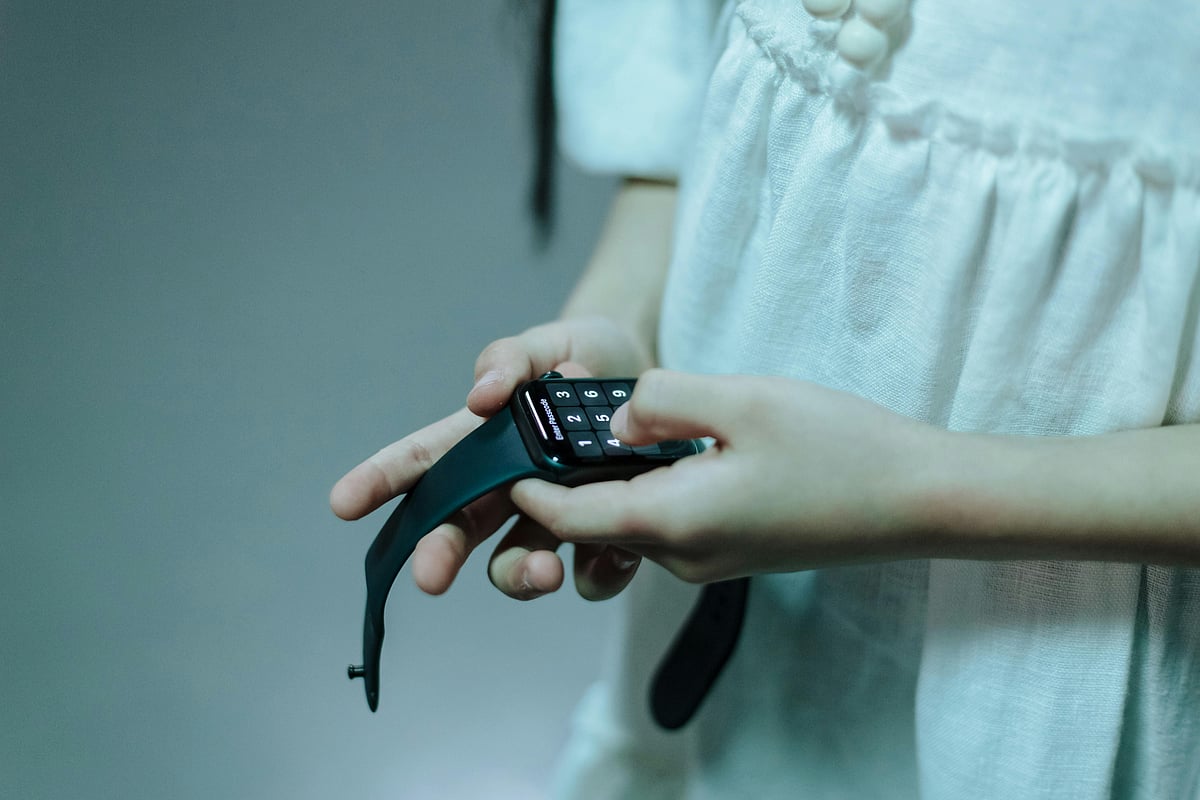
In 2026, smartwatches for teenagers are companions for health, safety, and light connectivity. But the real question is: what actually matters when choosing one? As UAE parents assert, teenagers need to look beyond flashy designs and focus on a few key things, accurate fitness tracking, sleep monitoring, reliable GPS, long battery life, durability, and controlled notifications that don’t become distracting during school or study time. Safety features like SOS alerts and location sharing are also increasingly important for parents. The best teen smartwatches strike a balance between independence and control, helping build healthy habits without overwhelming them like a full smartphone. So, we spoke to a few parents and teenagers to see what are their picks.
1) Best for iPhone Users: Apple Watch SE 3 GPS 40mm Smartwatch
Pros
Always-on display
Strong fitness tracking suite
Accurate heart rate monitoring
Sleep tracking with insights
Lightweight 40mm design
Water resistant (50m)
Seamless iPhone integration
Safety features (big plus for parents)
Cons
Battery life is still modest
Limited advanced health sensors
Best experience locked to iPhone users
Not a hardcore sports watch
Dubai-based Vanaja Singh vouches for this device, as she just bought it for her 15-year-old son, and an aspiring athlete. As she says, it works well for teenagers because it delivers a structured, controlled introduction to wearable tech, combining fitness tracking with communication and safety features in a compact form factor. "He is careful about his workouts, and sleeping patterns, thanks to it," she says.
The watch build healthy daily habits by tracking movement, workouts, heart rate, and sleep patterns in a consistent, easy-to-understand way. Instead of overwhelming users with advanced medical metrics, it focuses on practical insights like activity rings, sleep duration, and heart rate trends. This encourages awareness of lifestyle patterns, how active they are during school days, how well they recover, and whether their routines are balanced.
For school and sports life, it is quite practical. Built-in GPS allows accurate tracking of outdoor runs, cycling, and general workouts, making it useful for physical education, school athletics, or personal fitness goals. It can also support structured routines by reminding teens to move, stand, or complete daily activity goals, which helps counter long sedentary school hours.
One of its biggest advantages is controlled connectivity. Teens can receive calls, messages, and notifications directly on their wrist, reducing constant phone use during classes or study time. With features like emergency SOS, fall detection, and location sharing, it also adds a layer of safety that is especially reassuring for parents, while still allowing teens a sense of independence.
Apart from fitness and safety, it functions as a lightweight lifestyle smartwatch. It supports apps, alarms, reminders, and basic productivity tools, helping teens manage school schedules and daily tasks without needing to rely on a phone all the time. This makes it a useful transition device between childhood wearables and full smartphone dependency.
2) Best for Serious Fitness Tracking: GARMIN Vivoactive Smartwatch
Pros
Strong all-round fitness tracking
Bright AMOLED display with smooth UI
Excellent sleep + stress insights
Built-in GPS for outdoor workouts
Long battery life (up to ~11 days)
Cons
No advanced training tools for athletes
Lacks barometer (no stairs/elevation tracking)
Limited smartwatch-style features vs Apple/Samsung
Touchscreen-heavy controls (few physical buttons)
If your child is serious about being an athlete, then this is a commendable choice, as 15-year-old Advait Chandan from Dubai, asserts. "It really helps my training, in terms of running, walking and fitness, and tells me exactly how much I've exercised, or if I have done too much," he says.
The Garmin Vivoactive is a strong pick for teenagers who want a serious fitness companion without the distractions of a full smartwatch ecosystem. First, it encourages consistent movement habits, tracking steps, workouts, sleep, and daily activity in a way that feels scheduled, but doesn't overwhelm them. Second, it supports sports and school fitness goals, especially for teens into running, gym workouts, swimming, or general training, thanks to its reliable GPS and multi-sport tracking. Third, it helps build health awareness early, with insights into sleep quality, stress levels, and recovery, useful for teens juggling school, exams, and sports.
Finally, it offers a low-distraction tech experience. Unlike full smartwatches loaded with apps and notifications, this keeps the focus on fitness and wellbeing rather than constant screen engagement.
3) Best for Pre Teens: Fitbit Google Ace LTE
Pros
Built-in GPS for real-time tracking
LTE calling and messaging (parent-controlled)
Fun activity-based games that encourage movement
Strong parental controls and safety settings
Durable, kid-friendly design
Cons
Requires monthly subscription (Ace Pass)
Battery lasts only about a day
Limited contacts and communication system
Games may feel too basic for older kids/teens
The Fitbit Ace LTE is a kid-focused LTE smartwatch designed around safety, controlled communication, and gamified movement, rather than traditional smartwatch or fitness-watch functionality. It sits in a very specific category: a first connected device for children, positioned between a basic fitness tracker and a full smartphone.
Unlike typical smartwatches, it is built on a closed ecosystem powered by the Fitbit Ace Pass subscription, meaning most of its core features—calling, messaging, location tracking, and games—are enabled through a managed service rather than standalone watch functionality.
4) Best for Teen Runners: GARMIN Forerunner 165-43mm
Pros
Bright AMOLED colour display
Lightweight and comfortable (43mm design)
Strong GPS + multi-sport tracking
Up to ~11 days battery life
Touchscreen + physical buttons combo
Built-in sports apps & training tools
Cons
No advanced triathlon or elite training metrics
Limited smartwatch apps vs Apple/Samsung
No offline maps navigation
Single size option only
The Garmin Forerunner 165 is ideal for teens who are moving beyond casual fitness and into structured running or sport-based training. First, it builds consistent fitness habits, tracking runs, steps, heart rate, and recovery in a way that helps teens understand progress, not just activity. it supports school sports and athletics, especially running, swimming, gym workouts, and field training, thanks to its accurate GPS and multi-sport modes. And promotes healthy discipline without distractions. Unlike full smartwatches packed with apps and social features, this keeps the focus on performance, fitness, and wellbeing.
Finally, the long battery life and lightweight design make it practical for everyday school use, not just workouts, so teens can wear it all day without hassle.
5) Best for Android: Samsung Galaxy Watch 6
Pros
Bright, sharp AMOLED display
Strong fitness + heart rate tracking
Advanced sleep coaching features
Built-in GPS for outdoor workouts
Water resistant (swim-ready design)
Smooth Wear OS experience with apps support
Safety features like SOS and fall detection
Cons
Battery lasts around 1–1.5 days only
Limited upgrade from previous Galaxy Watch models
Some advanced health features locked to Samsung ecosystem
Can feel over-featured for basic fitness users
The Galaxy Watch 6 works well for teenagers who want a balanced smartwatch experience that blends fitness tracking, health insights, and everyday smart features, without fully depending on a smartphone for everything. It is best suited for Android users, especially those already in the Samsung ecosystem, where features and integration feel most seamless.
It supports the development of healthy daily routines by continuously tracking steps, workouts, heart rate, and sleep patterns. Rather than just presenting raw numbers, it provides trends and summaries that help teens understand consistency, such as how active they’ve been across the week or how well their sleep is recovering.
For active teenagers, it works well alongside school and extracurricular sports. With built-in GPS and multiple workout modes, it can track outdoor runs, cycling routes, gym workouts, and general fitness activities with good accuracy. This makes it useful for school sports training or informal fitness goals, where real-time distance, pace, and heart rate tracking can help improve performance gradually.
It also functions as a controlled communication and safety layer. Notifications, calls, and messages can be accessed directly on the wrist, which reduces the need to constantly check a phone during school hours or study time. Safety features such as SOS alerts and fall detection add an extra layer of reassurance for parents, especially for younger teens who are starting to move more independently.
Apart from fitness and safety, it operates as a general-purpose lifestyle smartwatch. It supports apps, reminders, calendar alerts, and basic productivity tools, helping teens manage school routines, schedules, and daily tasks more efficiently. This makes it more versatile than a pure fitness tracker, while still being less distracting than a full smartphone experience.
Overall, the Galaxy Watch 6 suits teenagers who want a well-rounded wearable that sits between a dedicated fitness tracker and a full-featured smartwatch, offering enough functionality for health, communication, and everyday convenience without overwhelming them with complexity.
What teens need in a smartwatch
Teenagers need to look for smartwatches that balance accurate fitness tracking, reliable GPS, and sleep monitoring, while still being simple enough to use daily. Battery life matters just as much, because constant charging quickly kills usability. Durability is another key factor, especially for school, sports, and outdoor activity. Just as important are controlled notifications and safety tools, so the watch supports independence without becoming a distraction or replacing healthy routines.
In short, the best teen smartwatches in 2026 are those that encourage movement, support wellbeing, and offer just enough smart features, without turning into a full-blown smartphone on the wrist.
Teen smartwatch checklist:
Accurate fitness tracking (steps, workouts, heart rate)
Reliable GPS for location and outdoor activity tracking
Sleep monitoring with simple, useful insights
Long battery life for daily wear
Durable, water-resistant design
Controlled notifications (no overload or distractions)
Safety features like SOS and location sharing
Simple interface suited for teens, not overly complex apps
Our recommendations are independently chosen by Gulf News editors. If you decide to shop through links on our website, we may earn an affiliate commission, as we are part of Amazon Services LLC Associates Program.
Network Links
GN StoreDownload our app
© Al Nisr Publishing LLC 2026. All rights reserved.