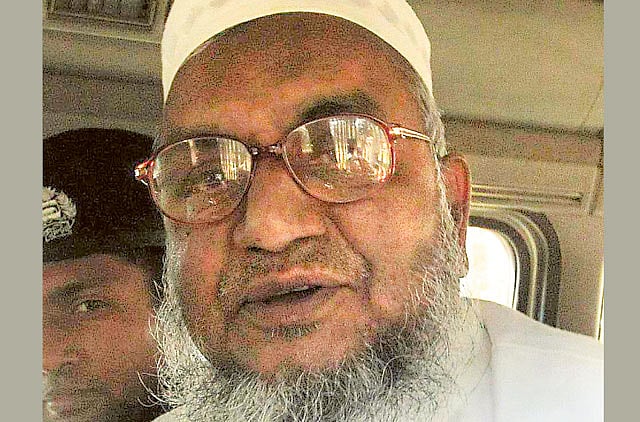
Dhaka: The tribunal verdict against Abdul Qader Mollah in February had triggered protracted street protests by 1971 veterans and youngsters who believed the punishment was too lenient compared to the crimes he had committed.
The protests by the youths, who had staged round-the-clock, sit-in vigils for weeks at the Shahbagh Ganojagaran Manch in the capital and protests in other major cities, prompted the government to amend a law on war crimes trial which earlier allowed the defence alone to challenge the tribunal verdicts at the Supreme Court.
But Mollah’s lawyers too challenged the amendment before the apex court, saying the amended law would not be applicable in their client’s case as it was made after the tribunal verdict was delivered.
The verdict was delivered when Jamaat-e-Islami activists waged violent street campaigns across the country and in pockets known to be their stronghold. Over 150 people were killed in the violence over the war crimes trial since February this year.
During the course of the hearing, the apex court appointed seven senior lawyers as amici curiae or “impartial advisers to a court in a particular case” to suggest if the recent amendment to the law related to the war crimes trial would be applicable in Mollah’s case.
Jury’s view
Five of the seven jurists observed that the recent amendment to the International Crimes Tribunal Act, which gives the government the right to appeal against any verdict, should be applicable in Mollah’s case as well.
Bangladesh witnessed the launch of the war crimes trial in 2010 in line with the ruling Awami League’s election pledges and so far, two International Crimes Tribunals indicted over a dozen people, most of them Jamaat leaders.
Two of the accused were from Jamaat’s crucial ally, the opposition party BNP, and one being a junior leader of the ruling Awami League. Prosecutors said investigations were under way against a dozen more high-profile suspects.
The two tribunals have already handed down the death penalty to four suspects and long-term or life imprisonments to two others, with all of them being Jamaat stalwarts and one being an expelled Jamaat leader.
The trials were welcomed by tens of thousands who wanted justice for the atrocities committed during the Liberation War on students and anti-war protesters.
But the verdicts against Jamaat stalwarts plunged the country into political violence, pitting the party activists with police and paramilitary forces since the first sentence was awarded in January this year.
Officially, three million people were killed while the fundamentalist party allegedly masterminded the murders of the country’s leading intelligentsia, including professors, doctors and journalists.
Sign up for the Daily Briefing
Get the latest news and updates straight to your inbox
Network Links
GN StoreDownload our app
© Al Nisr Publishing LLC 2026. All rights reserved.