US–Iran talks see 'slight progress' but major gaps over uranium stockpile, control over Strait of Hormuz persist
Limited gains in US–Iran dialogue amid fears over enriched uranium and oil routes
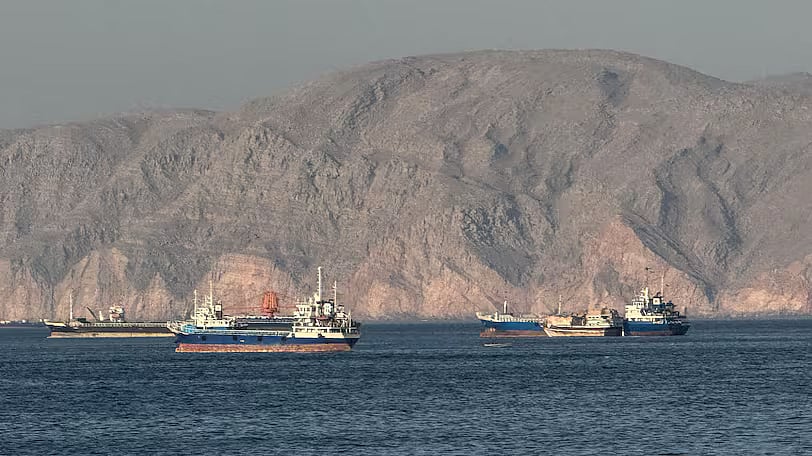
Negotiations between the US and Iran have reportedly shown “slight progress,” though major disputes over Iran’s stockpile of highly enriched uranium and control of the Strait of Hormuz continue to hinder efforts toward a broader agreement.
Public details about the latest diplomatic discussions remain limited, and it was unclear from available reporting where negotiators had achieved progress.
Get updated faster and for FREE: Download the Gulf News app now - simply click here.
The talks come as tensions remain elevated across the Gulf region following months of military confrontation, shipping disruptions and sanctions pressure linked to Iran’s nuclear program and regional security activities.
Signs of escalation: GPS Jamming
Major signs of escalation are once again emerging across the Arabian Gulf, including a widespread GPS and navigation jamming across the region, transforming the airspace and maritime lanes into contested electromagnetic zones.
State actors are actively deploying electronic warfare to disrupt enemy drones and missiles. Consequently, civil aviation and commercial shipping are facing severe navigational hazards and false positioning.
Key sticking poing: Highly-enriched uranium
At the centre of the dispute is Iran’s growing inventory of highly enriched uranium, which Western governments say could significantly shorten the time needed for Tehran to produce a nuclear weapon if it chose to do so. Iran has repeatedly insisted its nuclear program is for peaceful purposes.
Hormuz control
Another major sticking point is the Strait of Hormuz, the narrow waterway through which roughly a fifth of global oil shipments pass.
The Islamic Revolutionary Guard Corps (IRGC) Navy claimed on May 22 that 35 vessels transited the strait over a 24-hour period after obtaining Iranian “permission” and receiving Iranian “security” protection.
Iranian officials have increasingly portrayed their activities in the waterway as a maritime security operation aimed at protecting commercial shipping.
Critics, however, describe the effort as an attempt to establish de facto control over one of the world’s most strategically important energy chokepoints. Western analysts and security officials argue that Iranian forces themselves have been the primary source of threats to shipping traffic in the strait since February 2026.
Sign up for the Daily Briefing
Get the latest news and updates straight to your inbox
Network Links
GN StoreDownload our app
© Al Nisr Publishing LLC 2026. All rights reserved.