US-Israel-Iran war: What UAE residents need to know this evening, November 12
Trump rules out a deal with Tehran as Saudi Arabia reports drone and missile interceptions
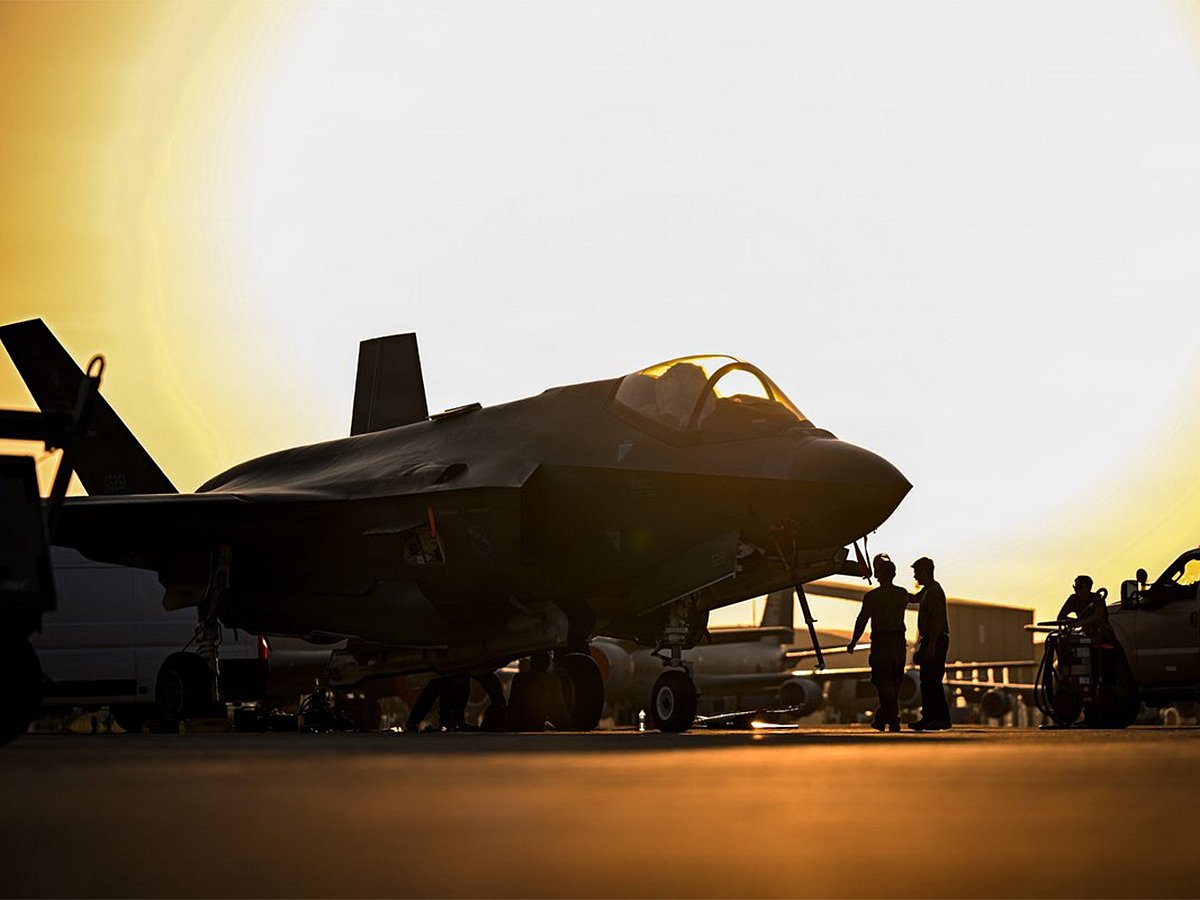
Dubai: UAE airspace remains open, but regional flight disruptions continue as Iran threatens US bases, Saudi Arabia intercepts missiles and drones, and Trump rules out a deal with Tehran.
The US/Israel-Iran conflict has entered its 257th day, with fresh military warnings and missile interceptions keeping the wider Gulf region on alert.
For UAE residents, the latest developments carry implications beyond the battlefield. Flight disruptions, security concerns in neighbouring Saudi Arabia and the possibility of renewed US-Iran hostilities remain key issues to watch.
Get updated faster and for FREE: Download the Gulf News app now - simply click here.
The UAE's airspace remains operational, and flights continue to operate. However, airlines are adjusting services in response to changing security assessments and conflict-zone advisories.
Iranian-operated flights to the UAE remain suspended, while direct flights between the UAE and Israel continue to face security and operational restrictions.
Saudi Arabia is another important concern for UAE-based travellers. Recent airline updates show cancellations affecting Riyadh and Dammam, although some flights to Jeddah, Medina and other Saudi cities continue to operate.
Meanwhile, Tehran's latest warning that US military installations across the Middle East and Europe could become targets in another war has raised concerns about the possibility of a wider confrontation.
Here are the six key developments UAE residents need to know this evening:
1. Iran warns US bases across the region could be targeted
Iran has warned that US military installations stretching from the Middle East to Europe could become targets if Washington launches another military campaign against the Islamic Republic.
Mohsen Rezaei, a senior Iranian security figure and former commander-in-chief of the Islamic Revolutionary Guard Corps, issued the warning in a post on X on Wednesday.
"If the US launches another war against Iran, every military base involved in the aggression — from West Asia to Europe — will be a legitimate target for Iran's lethal strikes," he wrote.
He added: "NO SAFE DISTANCE. NO SAFE HAVEN. NO IMMUNITY."
2. Trump rules out a deal with Iran
US President Donald Trump has said Washington does not need an agreement with Tehran, casting further doubt on prospects for a diplomatic breakthrough.
In a post on Truth Social on Thursday, Trump said he was directing Vice President JD Vance to concentrate on domestic anti-fraud efforts rather than negotiations to end the conflict.
"We don't need a deal with Iran. Those days have long since passed. We've got their money, Hundreds of Billions of Dollars, and we've got their Strait!" Trump wrote.
His remarks came after a Wall Street Journal report on Wednesday said Vance was considering face-to-face talks with a senior Iranian security official.
3. Saudi Arabia intercepts missiles and drones
Saudi Arabia has reported several missile and drone interceptions, adding to security concerns in a neighbouring country with close travel and economic links to the UAE.
The Saudi-led coalition fighting Yemen's Houthi movement said on Thursday that it had intercepted a drone in the Riyadh region and another in eastern Saudi Arabia.
The coalition also reported destroying two ballistic missiles targeting western Saudi Arabia on Wednesday night. Two more drones were intercepted in the country's south and the area around Mecca.
Saudi Arabia's General Directorate of Civil Defence confirmed that debris from two intercepted ballistic missiles fell in Sabuhah village in the Mecca Region.
4. Israel signals readiness for fresh military operations
Israel's caretaker Defence Minister Israel Katz has said the outgoing government does not need approval from opposition leaders or legal authorities to order fresh military operations.
His comments followed calls from opposition leader Gadi Eisenkot for caretaker Prime Minister Benjamin Netanyahu to exercise restraint.
Eisenkot warned that military action without a "direct and immediate threat" could have serious consequences for Israeli democracy and public confidence in the government.
Netanyahu had repeatedly threatened to restart the war with Iran during last month's election campaign, warning of security threats and publishing an image depicting a nuclear bomb destroying Tel Aviv.
Katz defended the government's record, saying the outgoing coalition had demonstrated resolve and sound judgement while coordinating with the Israel Defence Forces.
5. UK warns citizens in Saudi Arabia about falling debris
The British Embassy in Riyadh and the British Consulate-General in Jeddah have issued safety advice for British nationals in Saudi Arabia, warning that falling debris from intercepted missiles and drones poses a risk.
The missions have advised people to move indoors and remain inside when instructed to take shelter.
They recommend using secure buildings, including interior stairwells and rooms with fewer external walls and windows, while following instructions from local authorities.
6. London court convicts two men over spying for Iran
In a separate development, two Iranian men have been convicted in London of spying on journalists working for Persian-language broadcaster Iran International.
A jury at Woolwich Crown Court found Mostafa Sepahvand, 41, and Farhad Javadi Manesh, 46, guilty of assisting a foreign intelligence service on behalf of the Iranian state. A third defendant was acquitted.
Prosecutors said the men gathered information about journalists critical of Tehran, including by visiting addresses linked to their targets and taking photographs and videos.
The prosecution also alleged that one defendant was prepared to move beyond surveillance and carry out serious violence.
What UAE residents should know about flights and travel
For people living in the UAE, the immediate practical concern remains the impact of regional tensions on travel. UAE airspace remains operational, but airlines continue to review routes and schedules in response to security developments.
Iranian-operated flights to the UAE remain suspended, while direct flights between the UAE and Israel remain subject to restrictions. Saudi Arabia continues to experience disruptions, with Riyadh and Dammam among the destinations affected by cancellations. Some flights to Jeddah, Medina and other cities are still operating.
Residents planning to travel should:
Check flights before leaving home: Confirm the status of the individual flight directly with the airline. A confirmed booking does not guarantee that the service will operate as scheduled.
Check Saudi-bound services: Pay particular attention to flights to Riyadh and Dammam, where cancellations have been reported.
Review connecting flights: Confirm that onward services are operating if travelling through Dubai, Abu Dhabi or another regional hub.
Complete online check-in: Save a copy of the boarding pass and monitor airline notifications.
Allow enough time: Arrive at least three hours before departure, or follow any additional instructions from the airline.
Follow official safety advice: Monitor announcements from UAE authorities and the relevant authorities in destination countries.
What residents should watch next
The key developments to monitor are whether Washington and Tehran return to negotiations, whether Israel resumes military operations and whether Saudi Arabia reports further missile or drone interceptions.
For the UAE, the priority remains the safety of residents, the uninterrupted operation of essential services and the continued functioning of airports and other critical infrastructure.
Although UAE airspace remains open, the wider regional situation is still unpredictable. Residents should avoid speculation, follow official announcements and check travel arrangements regularly.
The latest developments do not, by themselves, indicate an immediate change to daily life in the UAE. However, with tensions continuing across the region, staying informed and prepared remains important.
Sign up for the Daily Briefing
Get the latest news and updates straight to your inbox
Network Links
GN StoreDownload our app
© Al Nisr Publishing LLC 2026. All rights reserved.