US-Iran standoff: What UAE residents need to know this evening, October 9, 2026
US President Donald Trump signals diplomatic progress, but risks persist in the region
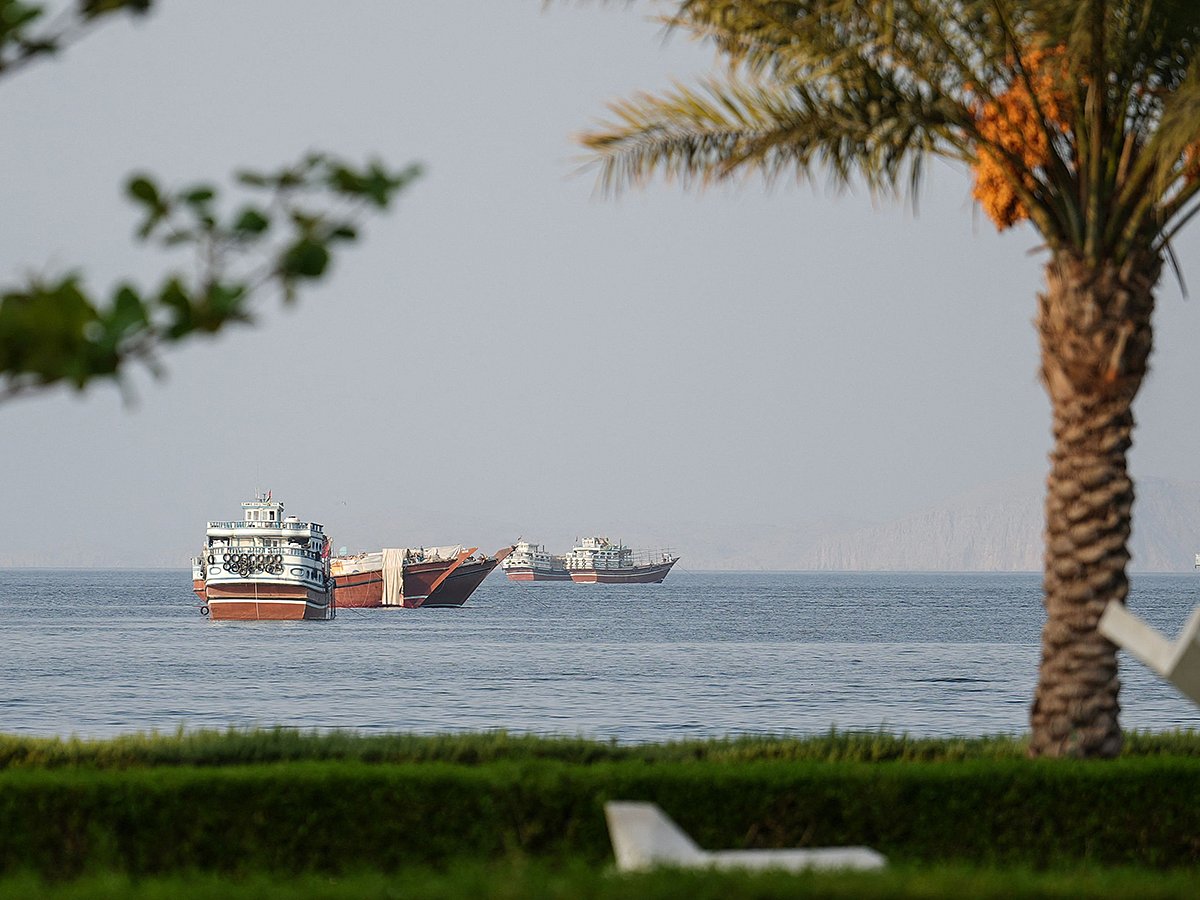
Dubai: UAE residents are watching fresh developments in the US-Iran standoff this evening, with President Donald Trump signalling a possible diplomatic opening even as tensions over the Strait of Hormuz and attacks on Saudi Arabia continue to affect regional travel and security.
Trump has said the United States is holding “productive” discussions with Iran and will not attack the country before the November 3 US midterm elections. However, the statement does not amount to a ceasefire or a peace agreement, and important disagreements between Washington and Tehran remain unresolved.
Get updated faster and for FREE: Download the Gulf News app now - simply click here.
For people living in the UAE, the immediate concerns are flight cancellations, changes to regional air routes, the security situation in neighbouring countries and the possible economic impact of continued disruption to shipping.
Here are the key developments and what they mean for residents:
Trump signals progress in talks with Iran
Trump's latest statement has raised hopes that diplomatic efforts could help prevent another escalation in the conflict.
The US president said on Thursday, October 8, that Washington was engaged in productive discussions with Tehran and would not launch attacks on Iran before the November 3 midterm elections.
The announcement offers a possible opening for negotiations, but it does not guarantee that military action will remain on hold beyond that period. Nor does it mean the two sides have agreed on the terms needed to end the conflict.
Washington continues to put economic pressure on Tehran, including through sanctions and restrictions linked to Iranian oil exports.
Iran reviews US response to its seven-day plan
Iranian Foreign Minister Abbas Araghchi said Tehran was reviewing Washington's response to its proposed seven-day plan to reopen the Strait of Hormuz.
Araghchi said messages were still being exchanged through mediators and that Iran expected to respond within a few days.
The proposal seeks to establish a timetable for restoring normal maritime traffic and restarting negotiations on a wider agreement.
Iran has linked the plan to demands that include an end to hostilities, the release of frozen Iranian assets, relief from restrictions on oil exports and an end to the US naval blockade of Iranian ports.
Washington and Tehran still need to bridge differences over maritime access, sanctions, security and Iran's nuclear programme.
Iran says it struck a tanker near the Strait of Hormuz
Maritime security remains a major concern after Iran's Revolutionary Guards said they had struck a large liquefied petroleum gas carrier attempting to pass through what Tehran described as an illegal route near the Strait of Hormuz.
Iranian state media reported that the vessel, named NV Sunshine, was hit as it attempted to transit south of the strait.
The claim highlights the continuing risks facing commercial vessels in and around the strategic waterway. However, the account of the incident should be treated as a statement from Iranian authorities unless independently confirmed.
The strait is a vital route for global energy supplies. Continued disruption could increase shipping costs, insurance premiums and pressure on oil prices, with possible knock-on effects for businesses and consumers.
Oil prices fell on Friday after Trump's comments eased some concerns about further military escalation, although the wider supply outlook remains uncertain.
UAE-Saudi flights affected after attacks on Riyadh
Air travel is one of the most immediate concerns for UAE residents, particularly those planning trips to Saudi Arabia.
Saudi Arabia's King Khalid International Airport in Riyadh was targeted in attacks on Thursday, October 8. The country's General Authority of Civil Aviation said airport facilities and a Saudia aircraft were hit, leaving three Saudi nationals dead and several others injured.
Riyadh airport has since reopened, but the attacks have disrupted services and prompted airlines to review their operations.
Several UAE carriers have reported changes to Riyadh services for Friday, October 9, and Saturday, October 10.
Emirates: Cancelled three Dubai-Riyadh flights across Friday and Saturday.
Etihad Airways: Cancelled six flights between Abu Dhabi and Riyadh on Friday and two more scheduled for Saturday.
flydubai: Reported changes to its Riyadh services.
Air Arabia: Reported delays and changes affecting some Sharjah-Riyadh flights.
Passengers should check their airline's website or app for the latest information before leaving for the airport. Flight status can change at short notice as airlines respond to operational and security developments.
European aviation regulator issues fresh warning
The European Union Aviation Safety Agency has advised airlines to exercise caution over additional areas of Saudi Arabian airspace following the attacks.
The warning reflects concerns that the Houthis, an Iran-backed armed group based in Yemen, have demonstrated the ability and willingness to strike targets deeper inside Saudi Arabia, including Riyadh.
Such warnings can influence flight planning, leading airlines to change routes, add flying time or suspend selected services.
For UAE travellers, this means disruption may extend beyond flights directly serving Riyadh if the security situation worsens or airspace restrictions change.
Travellers connecting through regional hubs should check the status of their entire journey, including connecting flights.
Pakistan says its troops in Saudi Arabia have a defensive role
Pakistan has reaffirmed its support for Saudi Arabia following the attacks on airports in Riyadh and Abha.
Prime Minister Shehbaz Sharif condemned the strikes and said Pakistan stood with the kingdom under the Mecca Joint Defence Agreement.
Pakistan's Foreign Ministry has said its forces deployed in Saudi Arabia are serving in a defensive capacity.
US urges its citizens to remain vigilant
The US Mission to the UAE has urged American citizens in the region to exercise increased caution, citing the changing security environment and the possibility of flight cancellations, airspace closures and wider travel disruption.
It has also warned that Iran and groups aligned with it may target US interests overseas, including American businesses and institutions.
The advisory is directed at US citizens, but the broader message for residents is to follow official safety guidance and avoid relying on unverified information circulating on social media.
What UAE residents should do this evening
There is no indication in the information provided that the UAE is facing a general shutdown of businesses, schools, airports or essential services. Residents should nevertheless remain alert to official announcements as the regional situation develops.
The most useful steps are straightforward:
Check flight updates: Confirm departure times and operating status directly with your airline, especially for journeys to Saudi Arabia or connections through the wider region.
Allow for travel changes: Keep alternative arrangements in mind if your journey depends on a regional connection.
Watch energy and shipping developments: Prolonged disruption around the Strait of Hormuz could affect global oil markets, freight costs and supply chains.
What to watch next
The immediate questions are whether Iran accepts the US response to its seven-day proposal, whether the two sides can agree on reopening the Strait of Hormuz and whether further attacks affect Saudi Arabia or regional shipping.
Trump's comments offer a possible diplomatic opening, but there is not yet enough evidence to conclude that the conflict is moving towards a lasting settlement.
For now, monitoring official updates and checking travel arrangements remain the most practical steps as the situation develops.
Sign up for the Daily Briefing
Get the latest news and updates straight to your inbox
Network Links
GN StoreDownload our app
© Al Nisr Publishing LLC 2026. All rights reserved.