US enforces blockade of Iranian ports as regional threat level hits ‘severe’: UKMTO
Maritime advisory warns of delays due to heightened military operations
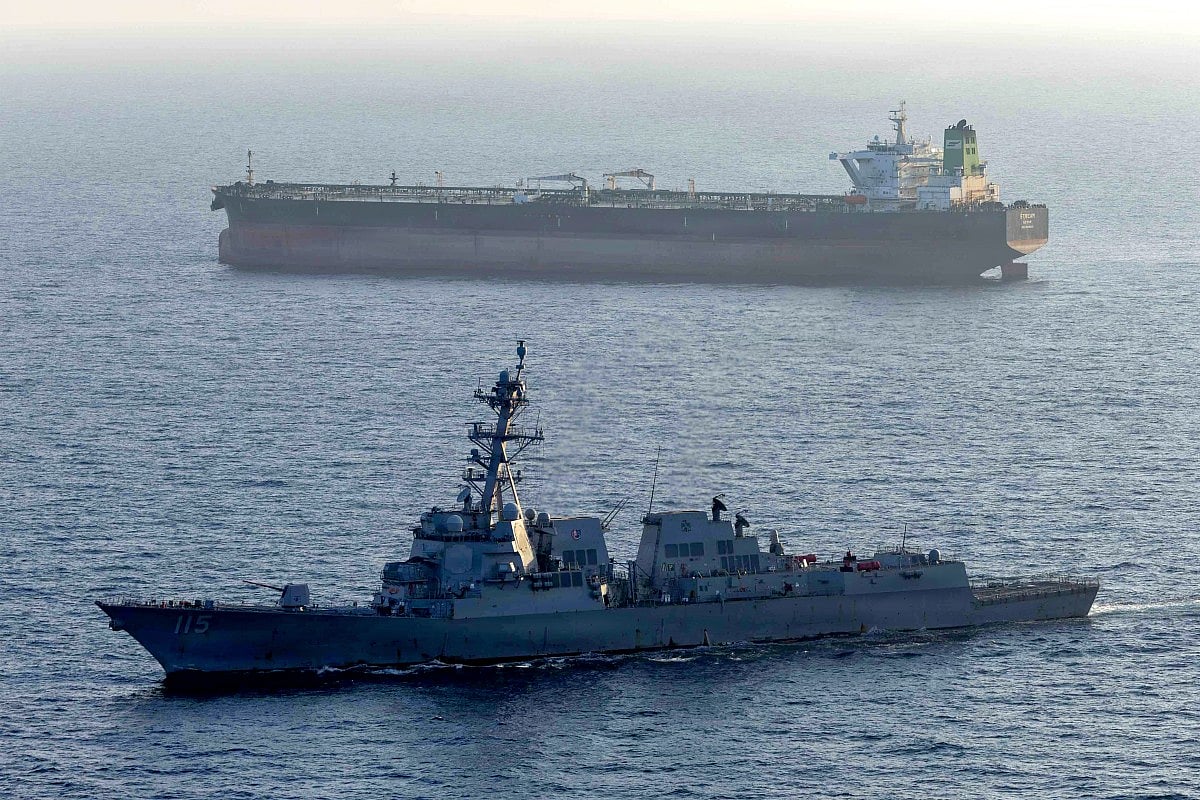
The United States is enforcing a blockade of all Iranian ports and coastlines, with the measure applying to every vessel regardless of flag or ownership, according to a maritime security advisory issued on Wednesday, October 28, 2026.
The advisory, JMIC 016-26, was released by the Joint Maritime Information Center (JMIC). It carries an appended notice from US Naval Forces Central Command’s Naval Cooperation and Guidance for Shipping (NAVCENT NCAGS). It covers the Gulf, the Strait of Hormuz, the Gulf of Oman and the Arabian Sea, and it puts the regional threat level at “severe.”
In its notice, the US says the blockade is a response to what it calls Iran’s continued aggression and illegal attempts to control the Strait of Hormuz in violation of international law.
Neutral shipping not exempt from checks
Under the advisory, neutral vessels may still be stopped. This applies to ships carrying neutral cargo, or sailing in ballast, between neutral ports in the Gulf of Oman and the Strait of Hormuz. Such vessels may be questioned, visited and searched so that US forces can confirm their intentions regarding the blockade.
The advisory cites the current geopolitical situation and urges vessels that do not need to transit the area to stay well clear to avoid unnecessary delays to their voyages.
Neutral vessels are told to keep a continuous listening watch on VHF Channel 16 and to follow all directions from US forces. Ships must be ready to alter course or stop on instruction, including coming dead in the water.
Documents required on request
Vessels must have the following documents ready for inspection on request, as applicable:
Port and customs clearance from the last port of call
Bill of lading, if laden
Certificate of registry
A signed and stamped letter of appointment from the agent at the next port of call (an email will not be accepted)
Receipts or signed contracts for provisions, bunkers, spare parts, repairs and/or crew change at the next port of call
Terminal, port or berth booking confirmation for the next port of call
All documents must be signed or stamped and provided in PDF format.
Expect delays
Ships transiting the region are advised to plan for additional transit time. The advisory cites increased traffic density and ongoing military blockade enforcement operations.
Vessels are encouraged to contact NAVCENT NCAGS at m-ba-navcent-ncags@us.navy.mil for further information.
Sign up for the Daily Briefing
Get the latest news and updates straight to your inbox
Network Links
GN StoreDownload our app
© Al Nisr Publishing LLC 2026. All rights reserved.