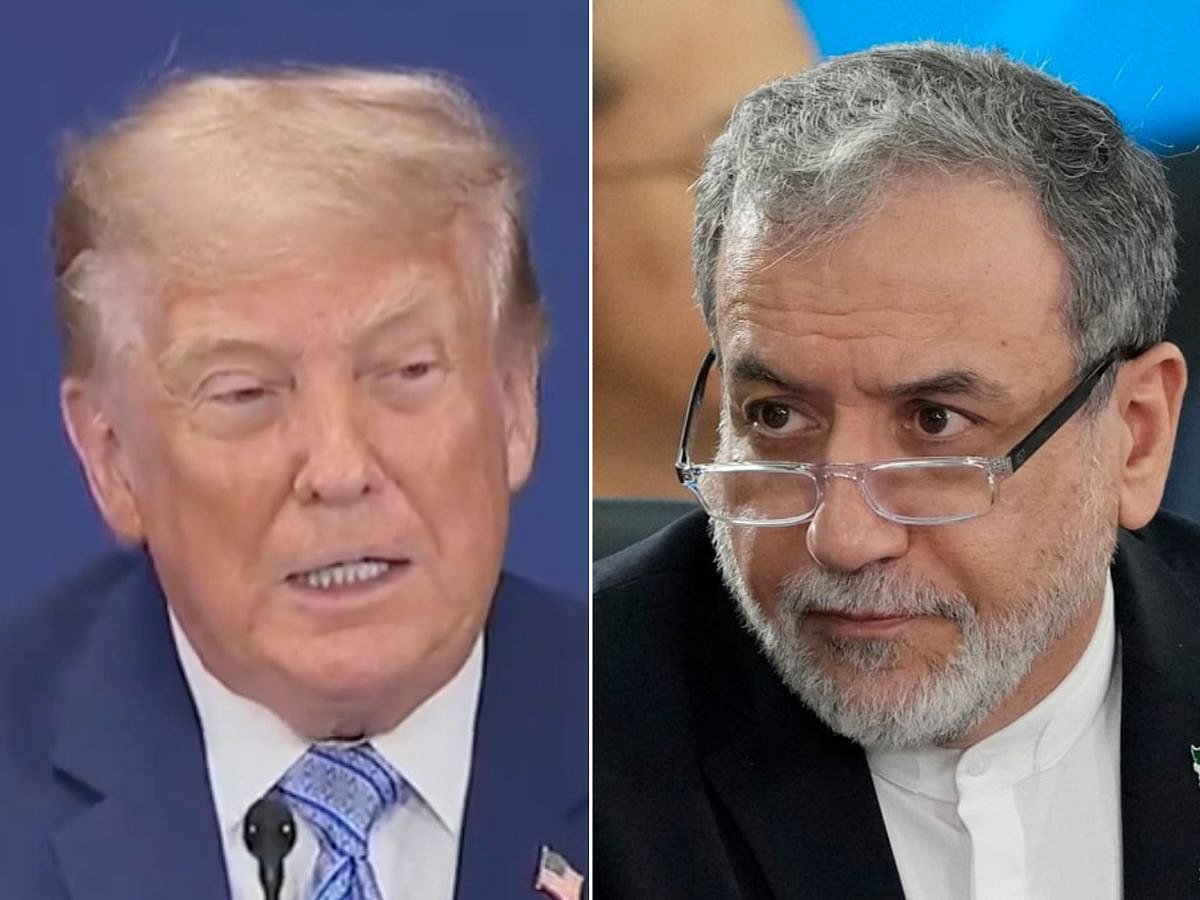
The US has carried out a large-scale attack on Ahvaz in Iran's main oil region, with more than 35 strikes until early morning on Friday (July 25). Ahvaz is the capital of Khuzestan Province, housing Iran's major oil production and refining infrastructure, with oil facilities likely among the targets.
In a sharply worded statement on Friday, Iran’s Foreign Minister Seyed Abbas Araghchi denounced what he described as an American effort to seize Iranian assets to cover "unrelated future claims", even as US forces pounded Iranian targets for the 13th night.
Get — updated faster and for FREE: Download the Gulf News app now - simply click here
Araghchi warned that Trump's planned move on diverting Iranian assets risks unraveling long-standing international norms on "sovereign property" and could unleash broader global instability.
The US has carried out a large-scale attack on Ahvaz in Iran's main oil region, with more than 35 strikes as of early Friday morning. Ahvaz is the capital of Khuzestan Province, housing Iran's major oil production and refining infrastructure, with oil facilities likely among the targets.
“Seizing another nation’s assets to pay for unrelated future claims is an incendiary precedent,” Araghchi wrote on X, the social media platform.
“Those who celebrate or profit from such funds should remember: once governments normalise confiscation, no one’s assets are safe. Ensuing chaos will not be pretty or peaceful.”
Araghchi's condemnation comes after US President Trump announced plans to redirect frozen Iranian assets to compensate for commercial vessels stricken by the Tehran regime while transiting the Hormuz Strait.
The post, which quickly gained traction online amid heightened tensions between Washington and Tehran, comes against the backdrop of a fragile ceasefire following months of direct conflict involving the United States, Israel and Iran earlier this year.
That escalation, which included US and Israeli strikes on Iranian targets and Iranian retaliatory actions, left regional infrastructure and economies strained.
Assets at the heart of diplomacy
Iran holds an estimated $100 billion or more in overseas assets frozen under layers of US and international sanctions accumulated over decades, much of it tied to oil revenues held in countries like Qatar, Japan, China and European financial centers.
Get — updated faster and for FREE: Download the Gulf News app now - simply click here
Past diplomatic efforts, including the 2015 nuclear deal from which the US withdrew in 2018, have repeatedly hinged on the partial unfreezing of such funds in exchange for Iranian concessions on its nuclear program and regional activities.
De-escalation
Under the Trump administration, negotiations have produced an interim memorandum of understanding aimed at de-escalation, including steps toward reopening the Strait of Hormuz to safe commercial traffic and frameworks for longer-term nuclear talks.
Releases or access to frozen funds — often routed through third countries for humanitarian purposes like food and medicine purchases — have been central bargaining chips.
US officials have emphasised controls, such as Treasury oversight and escrow-like mechanisms, to prevent funds from directly bolstering the Iranian regime.
Recent reports indicate the administration has explored using portions of these frozen Iranian assets to compensate Gulf states for damages incurred during Iranian retaliatory strikes or to cover potential future claims.
Araghchi: Confiscating sovereign property
Iranian officials view this redirection — rather than outright release to Tehran — as effectively confiscating sovereign property to settle unrelated disputes, bypassing normal legal and diplomatic channels.
As of Friday, the ceasefire remains in place but under strain, with periodic accusations of violations from both sides and ongoing Israeli actions against Iran-linked targets in Lebanon.
Araghchi has used public statements to push back against perceived US overreach while signaling Iran’s continued interest in a “fair and balanced” longer-term deal, provided threats cease and commitments are honored.
US Treasury and administration officials have not immediately responded to Araghchi’s latest remarks.
Earlier statements stressed that any asset-related measures would prioritise accountability, humanitarian safeguards and regional stability rather than direct cash transfers to Iran.
The issue echoes historical precedents, such as past US seizures of Iranian assets to compensate victims of attacks linked to Tehran, which Iran has long contested in international forums like the International Court of Justice (ICJ).
Supporters of Iran’s position decried Trump's position as further erosion of international law, while critics argue Tehran’s own actions — including proxy conflicts, attacks on civilian vessels in Hormuz and nuclear advancements — have invited such financial pressures.
The dispute underscores the deep mistrust that continues to complicate efforts to translate the interim understanding into a durable agreement.
Negotiations are expected to continue in the coming weeks, with asset access, sanctions relief and nuclear limits remaining core flashpoints.
Sign up for the Daily Briefing
Get the latest news and updates straight to your inbox
Network Links
GN StoreAbout Gulf NewsTerms & ConditionsReach by GNSitemapContact usPrivacy PolicyGN FocusHave your sayWork with usAdvertise with usGulf News epaperPrinting Services
Download our app
© Al Nisr Publishing LLC 2026. All rights reserved.