A geotagged map showing tanker traffic on the Strait of Hormuz. The G7 ministers recently echoed the call for “toll-free” freedom of navigation in the strait.
In the midst of a month-long US-led military campaign against Iran — dubbed Operation Epic Fury — Secretary of State Marco Rubio has thrown strong US support behind a bold new diplomatic initiative led by Bahrain at the United Nations.
The goal: build an international coalition to prevent Iran and its Houthi allies from seizing control of critical waterways like the Strait of Hormuz and turning them into extortion zones for global trade.
The statement was released late on Monday, March 30, 2026, via the official US State Department X account.
In the clip, Rubio is clear and uncompromising: “It’s the desire, whether it’s the Houthis on one side or Iran on the other, to close these international waterways and create a toll road, where basically you have to ask for their permission in order to use them and get your products in and out of market.
'Unacceptable'
"That’s unacceptable. It’s unacceptable to us, but it should be unacceptable to the world."
Rubio added: "And I think it’s important, and I’m glad to see the effort Bahrain is leading in the United Nations, which we’ve been very supportive of, to get an international coalition that says we will not accept a world where either the Iranians or the Houthis get to control international waterways and impede the free flow of goods from nation-states.”
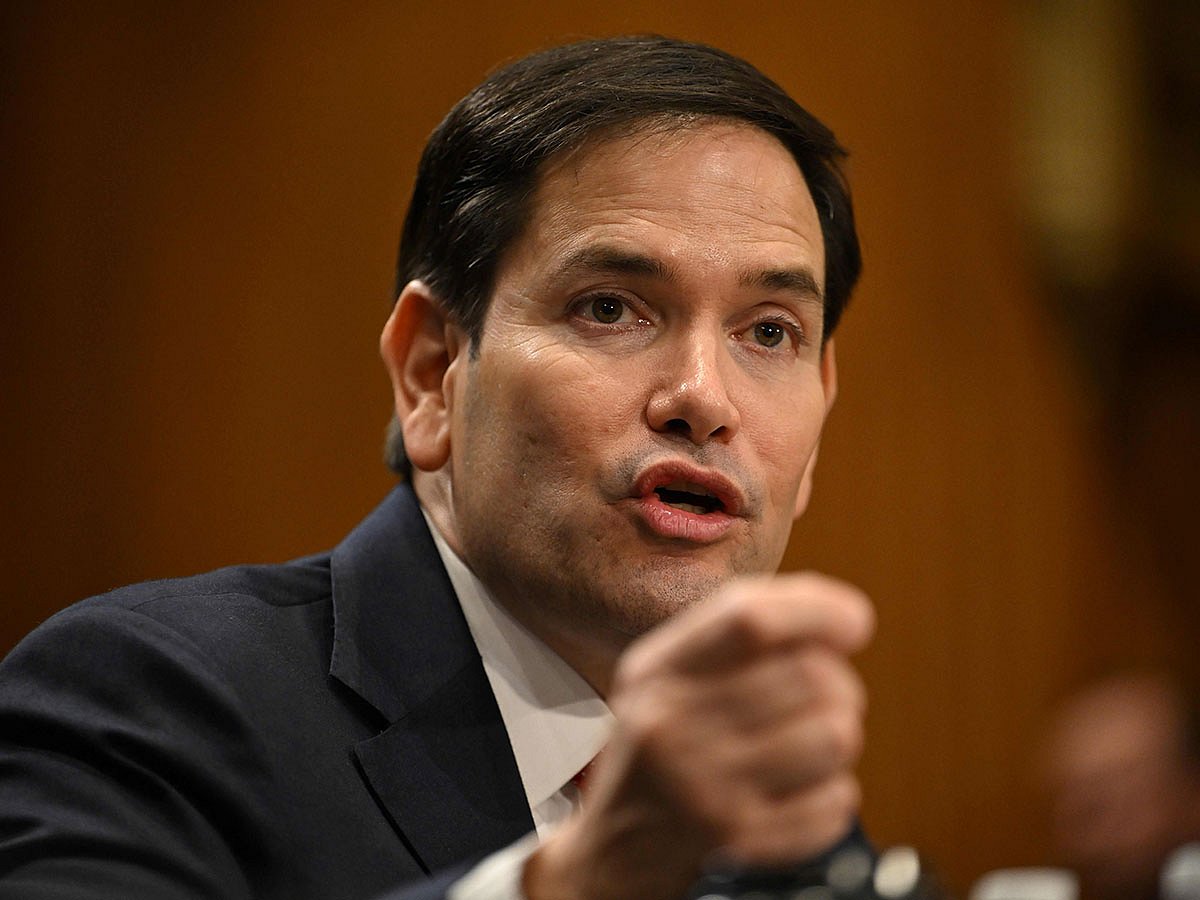
The video shows Rubio speaking intently from Washington, D.C. highlighting US objectives in the Iran conflict.
Why this matters: The broader crisis
The Strait of Hormuz is the world’s most vital energy chokepoint — roughly 20-25% of global oil and liquefied natural gas passes through it daily.
Since the US and Israel launched strikes on Iran on February 28, 2026, Tehran has retaliated by disrupting commercial shipping, attacking vessels, and effectively turning the strait into a high-risk zone.
Shipping traffic has plummeted from ~140 vessels per day to just 2-4. Insurance rates have skyrocketed, and thousands of seafarers are now stranded.
Iran has openly threatened a permanent “tolling system” — essentially charging nations for safe passage — a move Rubio and the US have branded as unacceptable piracy by a state actor.
The Houthis, Iran-backed militants in Yemen, have similarly targeted Red Sea shipping routes.
Bahrain — home to the US Navy’s 5th Fleet and a key Gulf ally — has taken the lead at the UN.
It has circulated draft resolutions under Chapter VII of the UN Charter authorising “all necessary means” (including potential naval force) to restore free navigation.
The initiative has already drawn support from Gulf states, the US, and a coalition of 22 nations, including Asian partners like Japan, South Korea, Australia, and New Zealand.
Toll-free: Freedom of navigation
Rubio has emphasised that the US does not seek to lead the coalition but is fully prepared to participate — especially in a post-conflict phase.
The message is clear: the world’s major economies, not Iran’s regime, will decide who sails the seas.
What happens next?
Diplomatic momentum: Bahrain’s push could lead to a UN Security Council resolution backing multinational naval patrols or even a formal maritime peacekeeping mission.
Economic stakes: With global supply chains already strained, reopening the strait without Iranian interference is critical for oil prices, inflation, and energy security worldwide.
War endgame: Rubio has repeatedly stated the US campaign aims to dismantle Iran’s missile/drone capabilities, navy, and air force — without ground troops — and expects operations to wrap up “in weeks, not months.”
It’s Washington signaling to Tehran, the Houthis, and the world: international waterways belong to the global community — not to any single regime or terror proxy.
Bahrain’s UN effort could mark the beginning of the end of Iran’s ability to hold the world’s energy supply hostage.
Sign up for the Daily Briefing
Get the latest news and updates straight to your inbox
Network Links
GN StoreAbout Gulf NewsTerms & ConditionsReach by GNSitemapContact usPrivacy PolicyGN FocusHave your sayWork with usAdvertise with usGulf News epaperPrinting Services
Download our app
© Al Nisr Publishing LLC 2026. All rights reserved.