Libya’s $2.5bn steel project puts industry in focus
Benghazi project is set to boost exports while creating opportunities for local suppliers
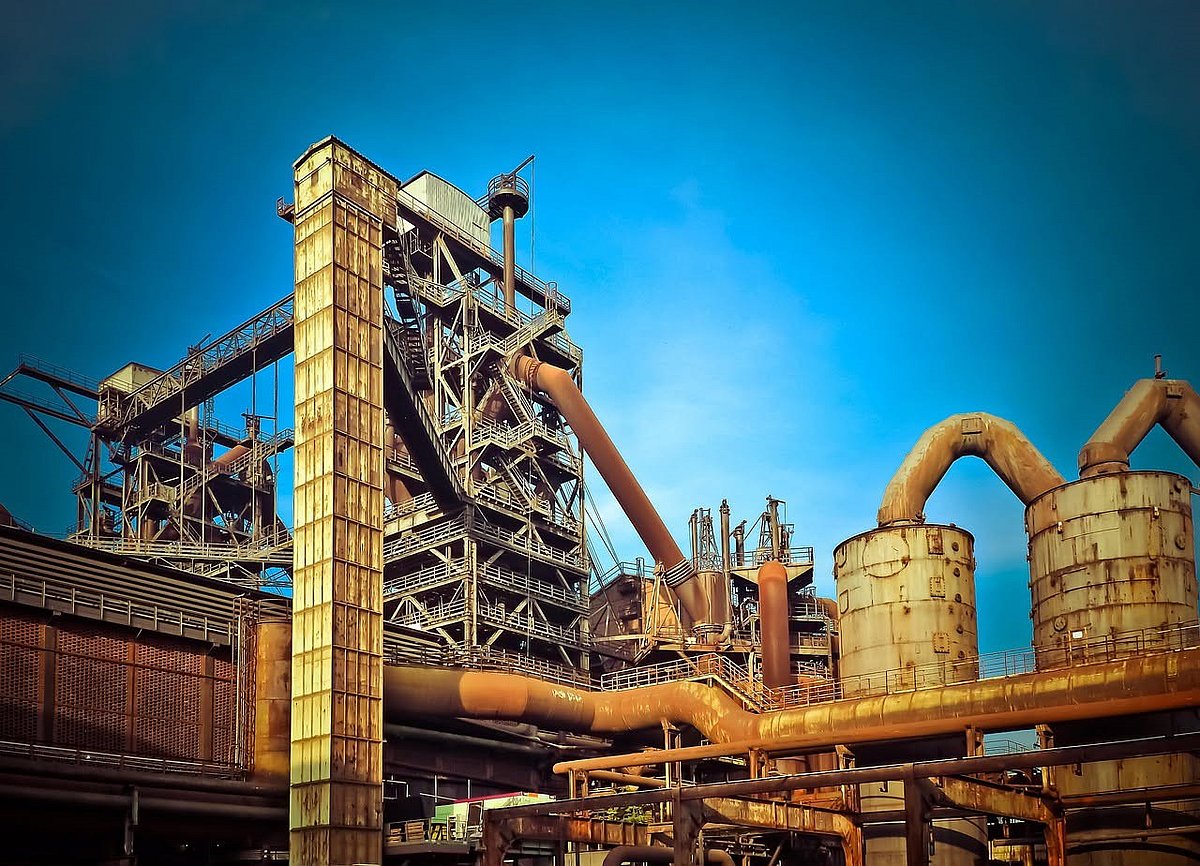
Benghazi: Libya is moving ahead with one of its biggest recent industrial investments, with the $2.5 billion Tosyali-SULB steel project in Benghazi expected to begin commercial production in early 2028.
The joint venture between Turkish steelmaker Tosyali Holding and Libya United Steel Company for Iron and Steel Industry (SULB), chaired by Libyan businessman Ahmed Gadalla, is designed to produce about 8.1 million tonnes of direct reduced iron a year.
Around 90 per cent of production is expected to be exported, while rebar and pipes will be produced for the Libyan market.
The scale of the investment puts the project among Libya’s largest recent industrial developments. The $2.5 billion investment is equivalent to roughly 5 per cent of the country’s annual GDP, based on IMF and World Bank estimates for 2025-26.
Beyond steel production, the project is expected to generate demand for construction companies, engineering firms, transport operators and other industrial service providers, Reuters reported.
Expanding the private sector
The development comes as Libya seeks to widen economic activity beyond its traditional dependence on oil and increase the role of the private sector in large-scale projects.
Gadalla is also associated with Alushibe Holding Group, a diversified Libyan business with interests spanning industry, engineering, healthcare, food, consumer goods and retail. The group says it employs more than 6,000 people across its businesses.
The steel project will require a broad range of expertise during construction, including civil engineering, electrical work, equipment installation, logistics and industrial services.
Once operational, the facility will require engineers, technicians, production workers, maintenance specialists, quality-control staff and managers.
Supply chain opportunities
The development could also help build capabilities among local companies that participate in the project.
Contractors working on major industrial facilities can gain experience in large-scale procurement and international standards, while logistics companies can develop expertise in transporting heavy equipment and industrial materials.
Workers trained in operating and maintaining advanced equipment can also transfer those skills to other industrial facilities.
This type of supplier and skills development has been a feature of industrial expansion in Gulf markets, where major projects have often been used to support domestic manufacturing and wider supply chains.
For Libya, the immediate priority is bringing the Benghazi project into production. But its wider impact could extend to construction materials, infrastructure, logistics, energy and manufacturing.
The export focus also gives the project a regional dimension, while domestic production of rebar and pipes could help meet demand within Libya.
The project’s long-term significance will therefore depend not only on production and exports, but also on how effectively it connects with Libyan companies, suppliers and workers as the country seeks to expand its industrial base.
Sign up for the Daily Briefing
Get the latest news and updates straight to your inbox
Network Links
GN StoreDownload our app
© Al Nisr Publishing LLC 2026. All rights reserved.